
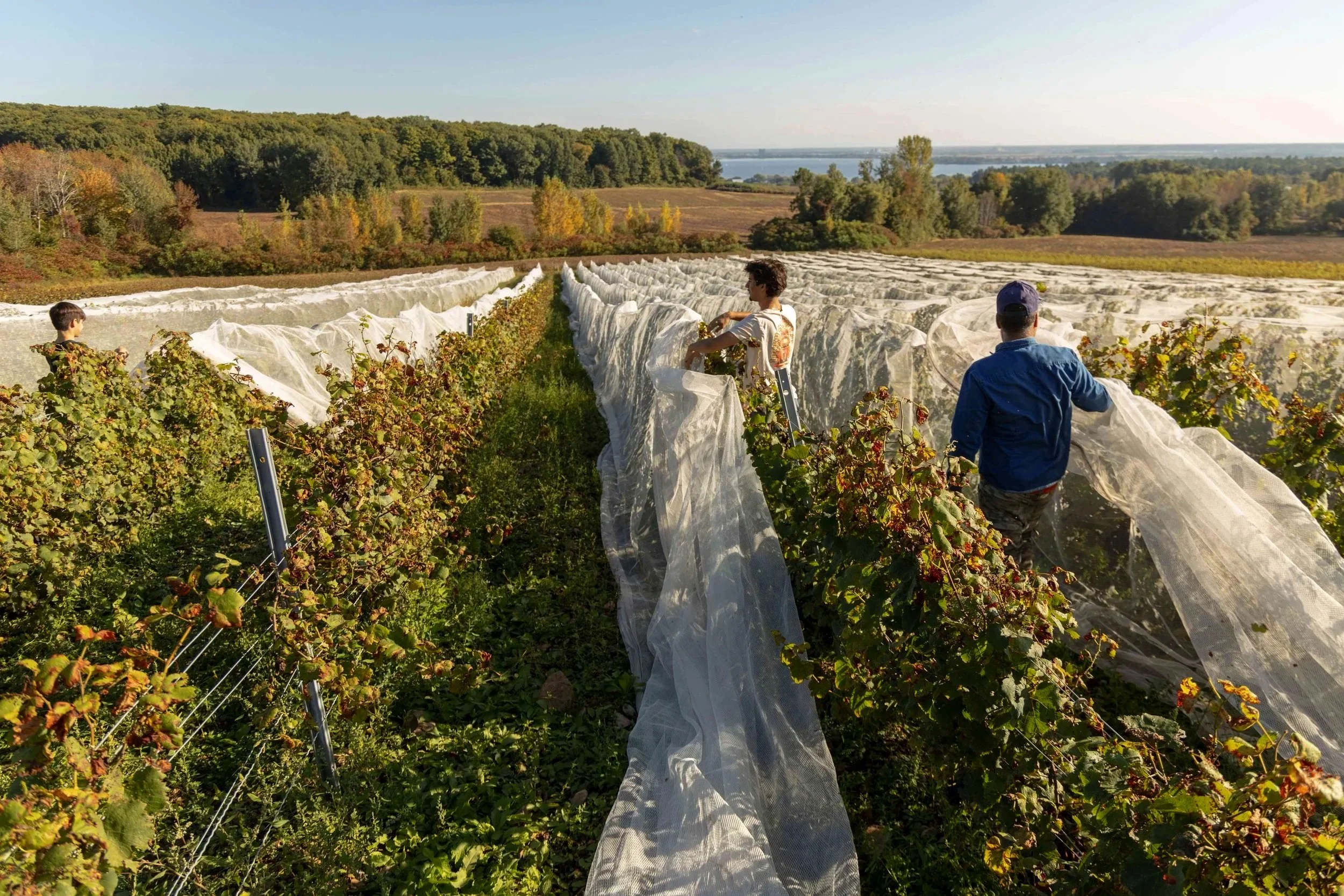
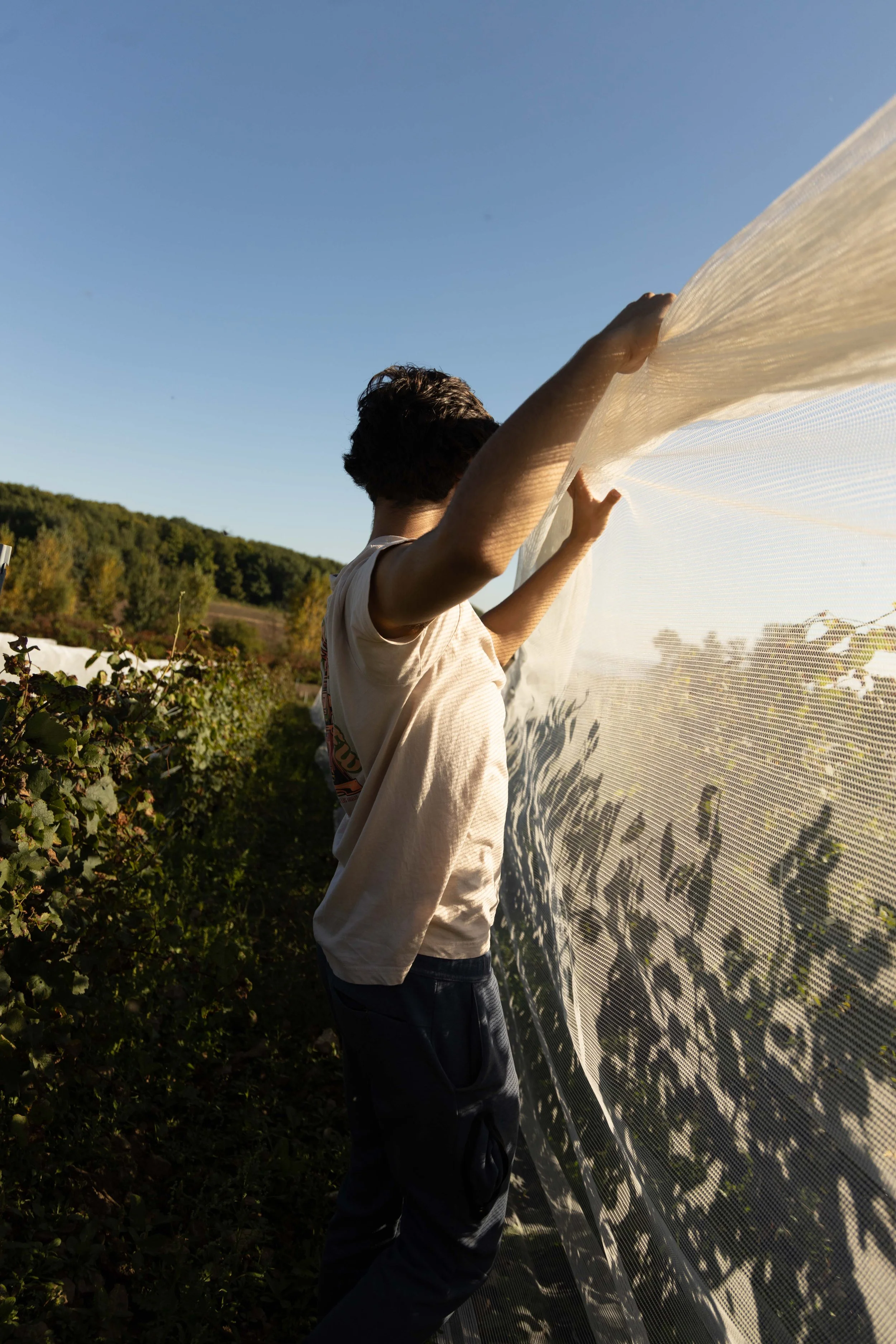
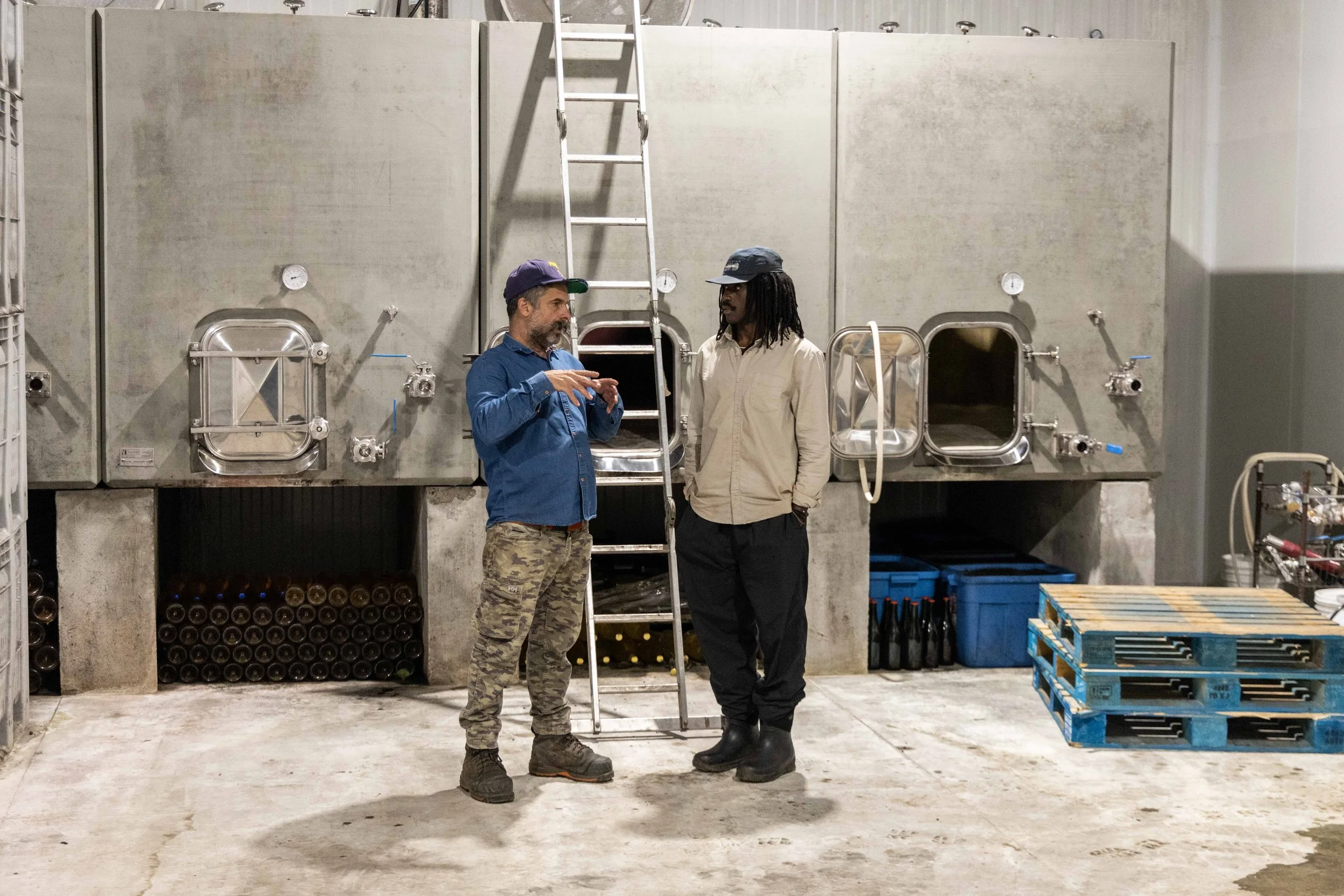
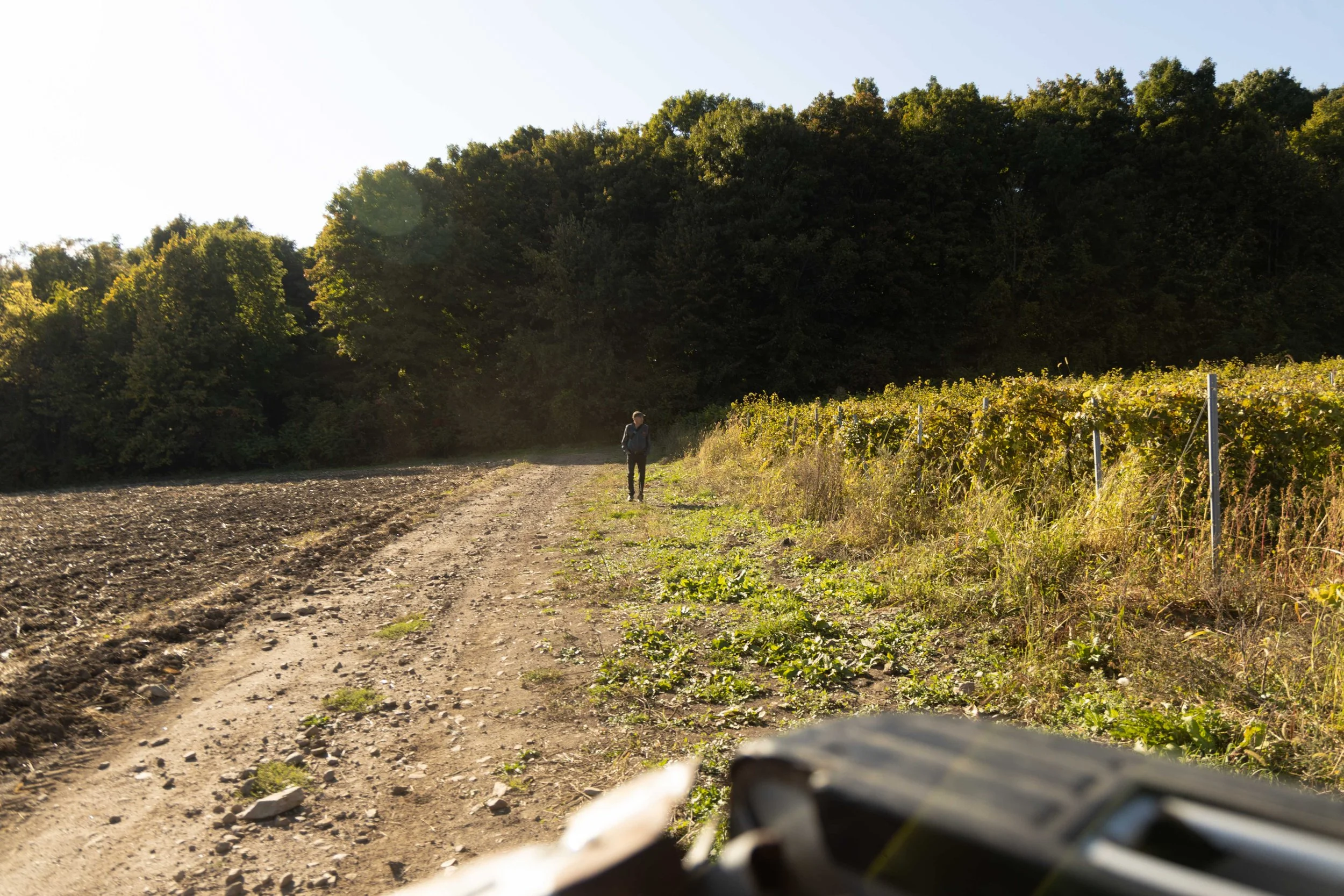
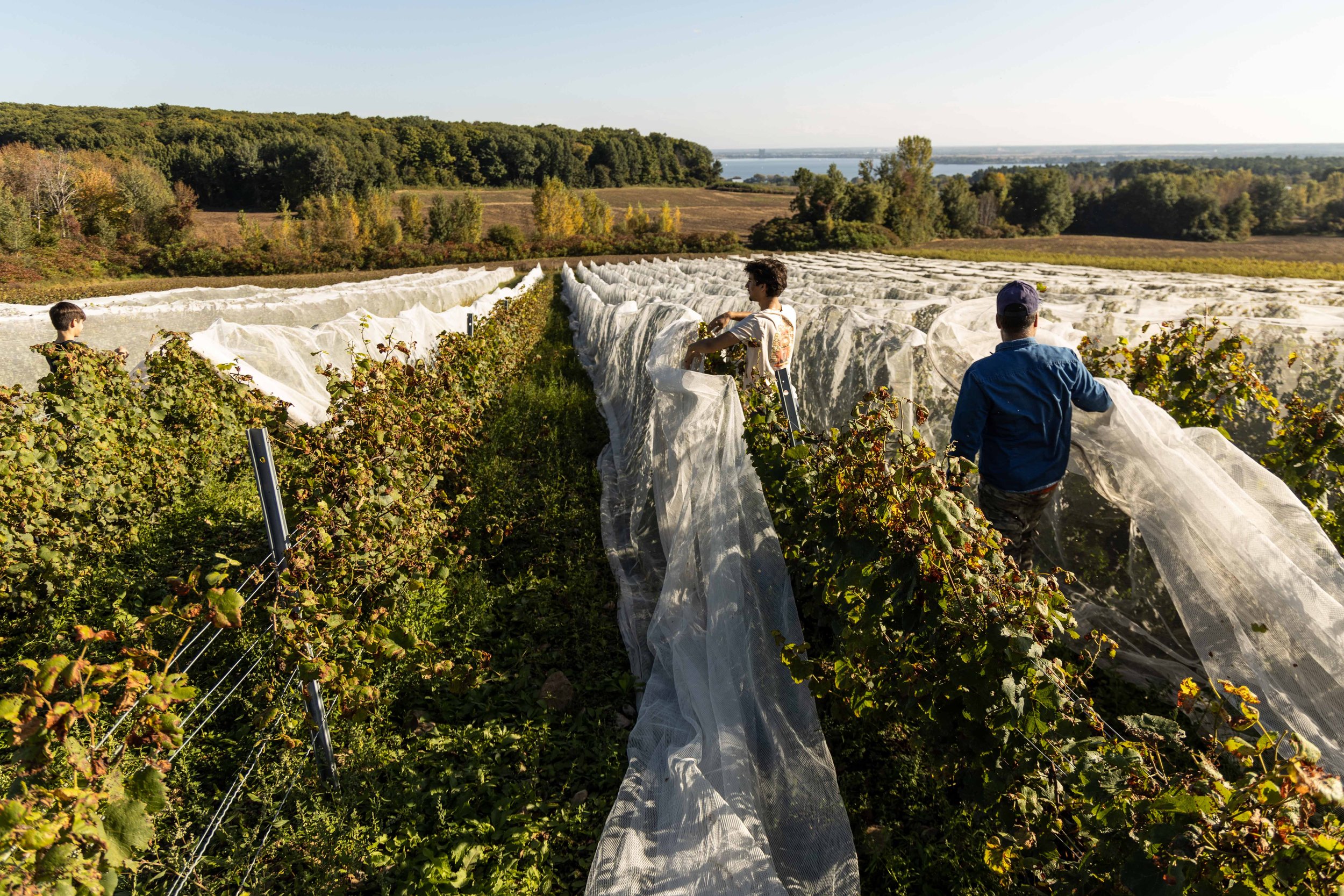
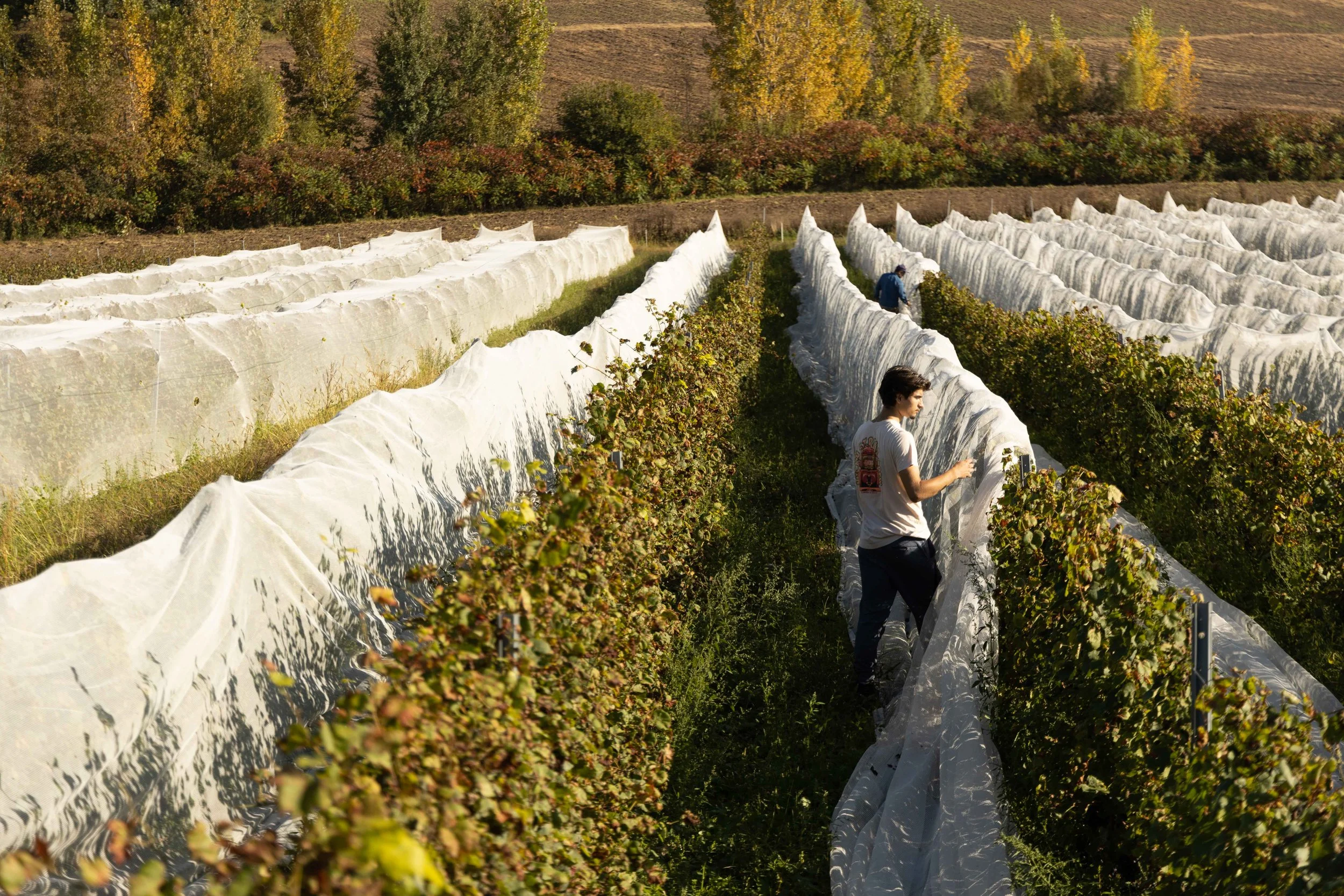
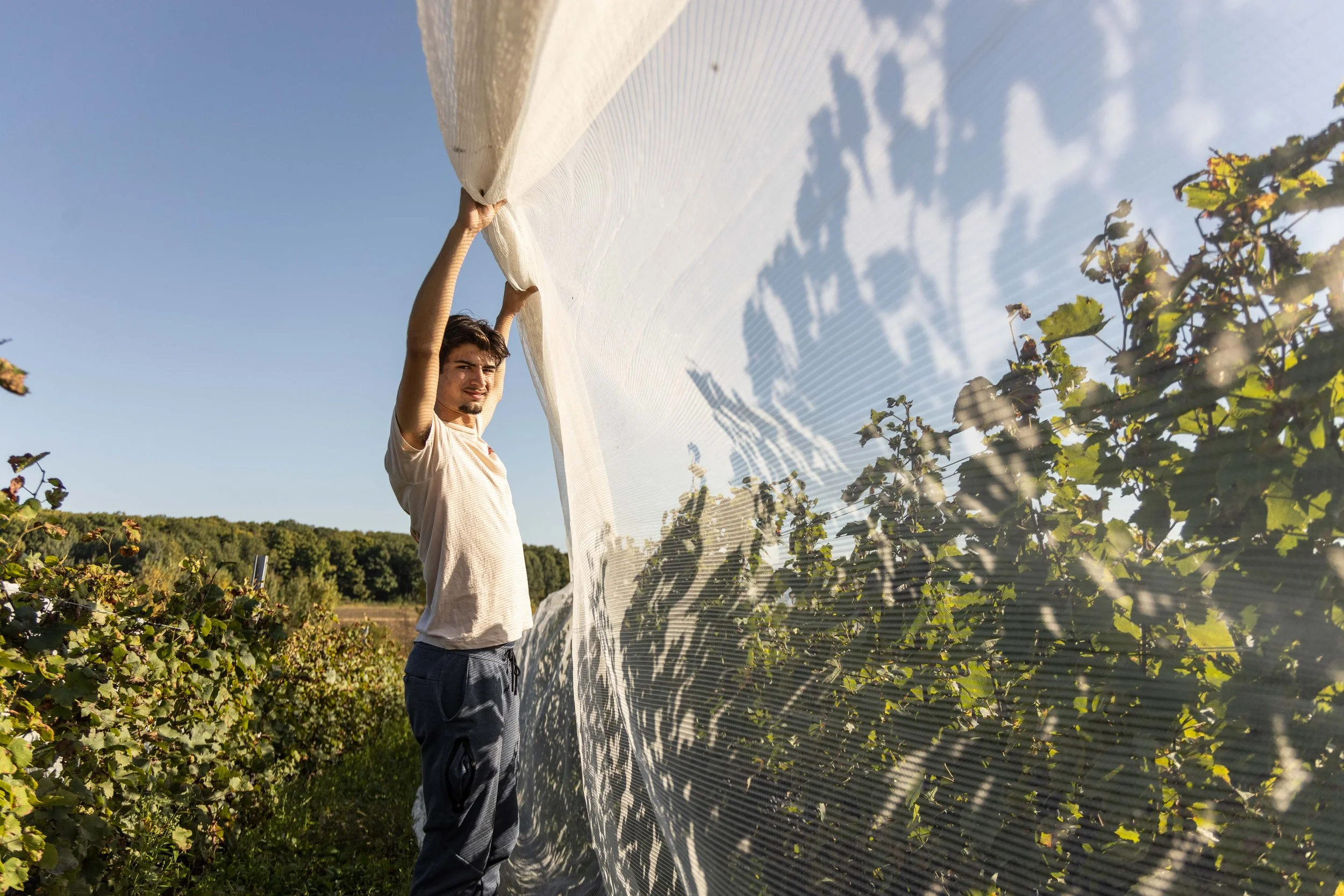
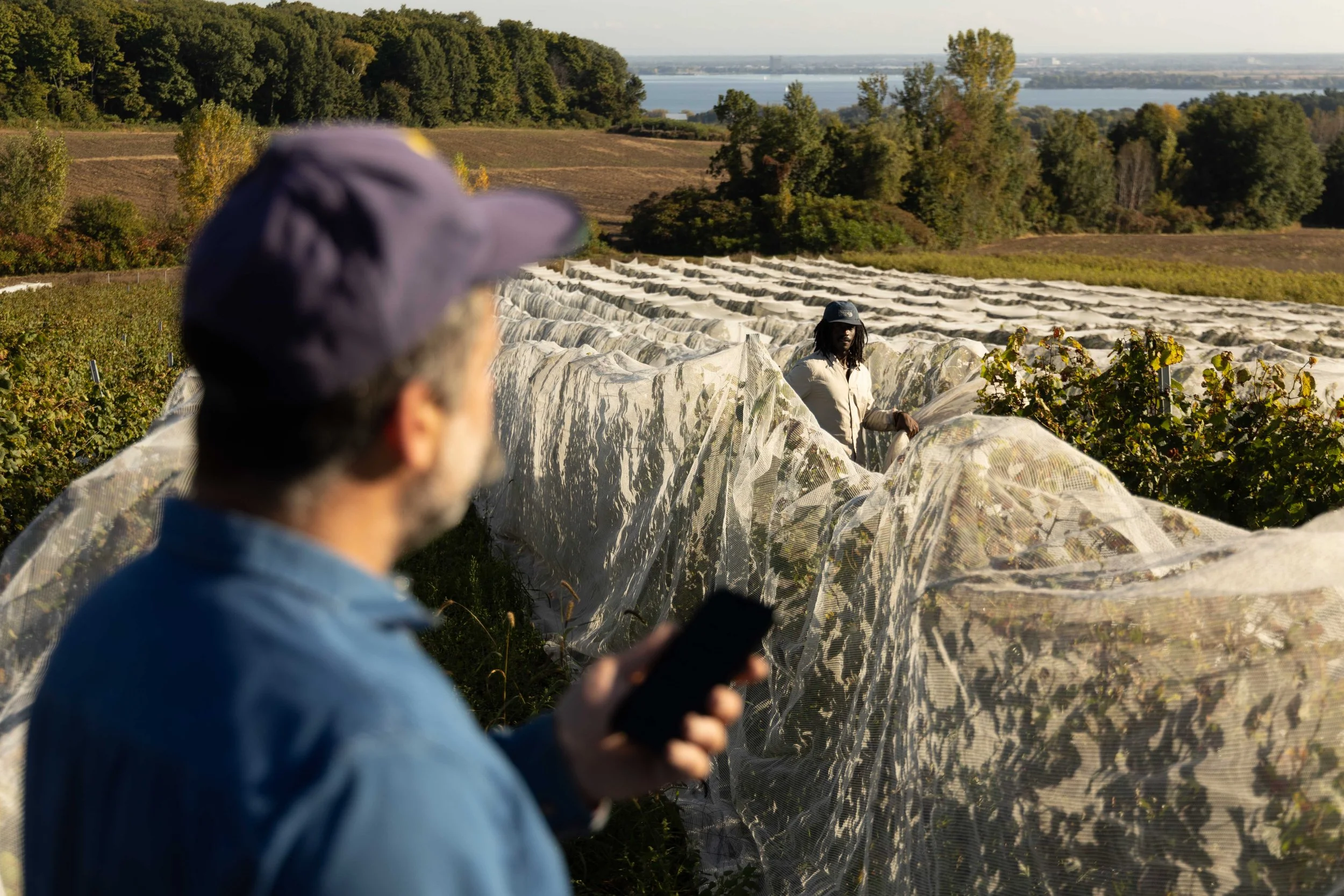
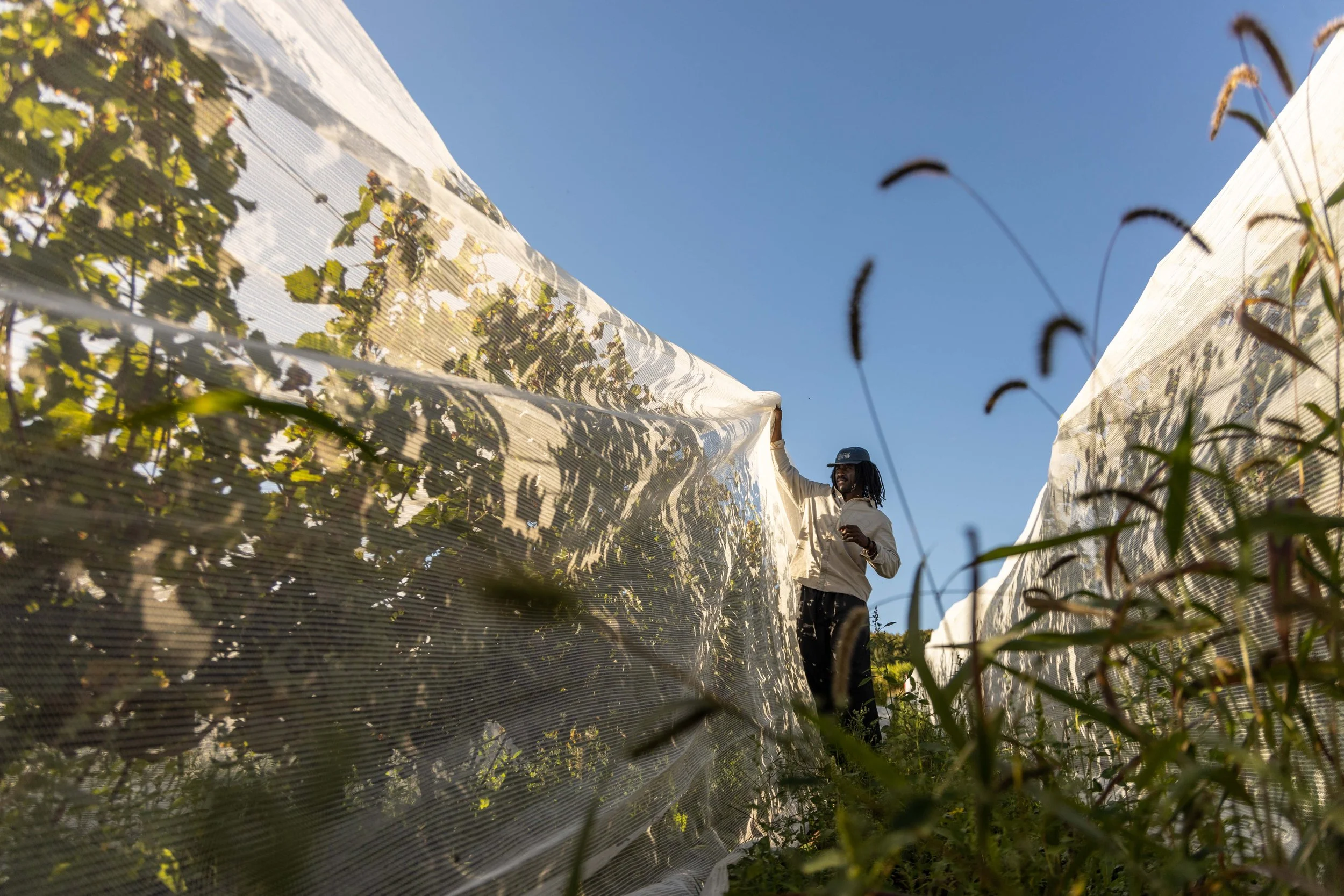
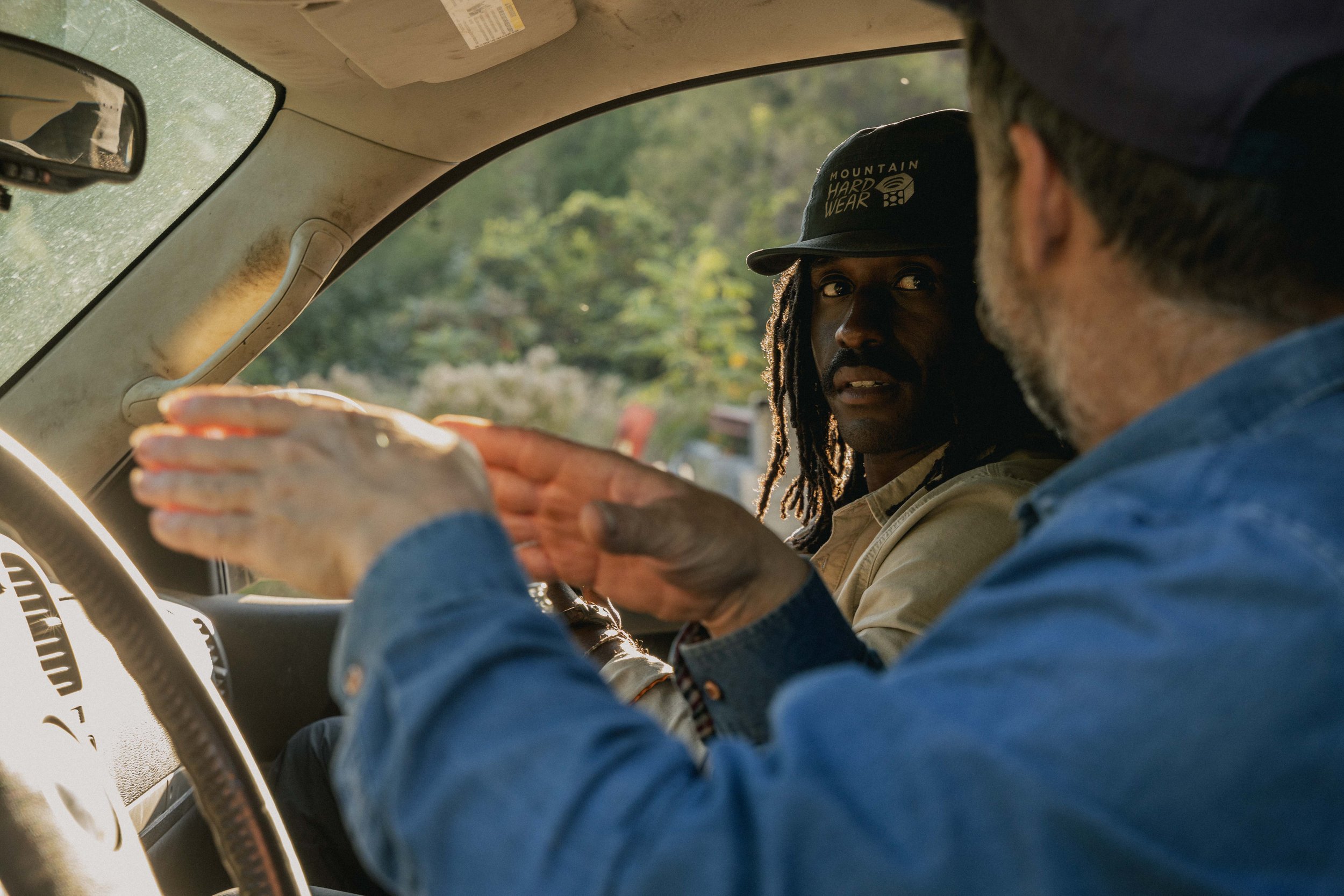
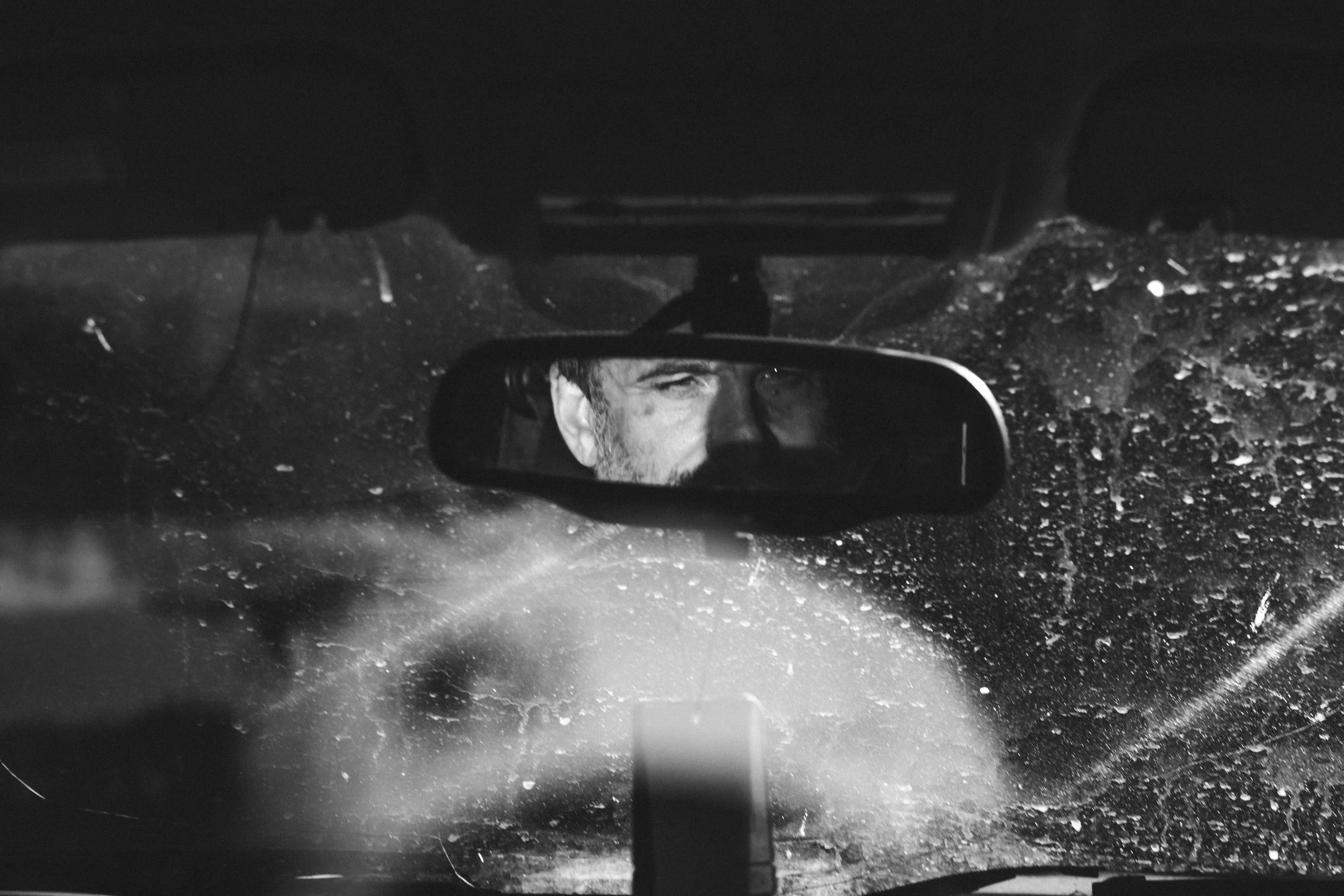
In 2024, I traveled across Quebec with writer Joe Kanzangu to redefine our relationship with wine. Our experience wasn’t really about flowing from warmer latitudes towards established terroirs. I’m not even sure what we were looking for, to be honest I originally intended on simply tagging along by virtue of sheer curiosity for new experiences. This wine experience became an act of discovery written in stone and shifting seasons. What we found near the Oka Calvary above Lac des Deux-Montagnes felt like a geological prophecy coming to life and a viticultural shift mantled in Quebec’s rich identity.
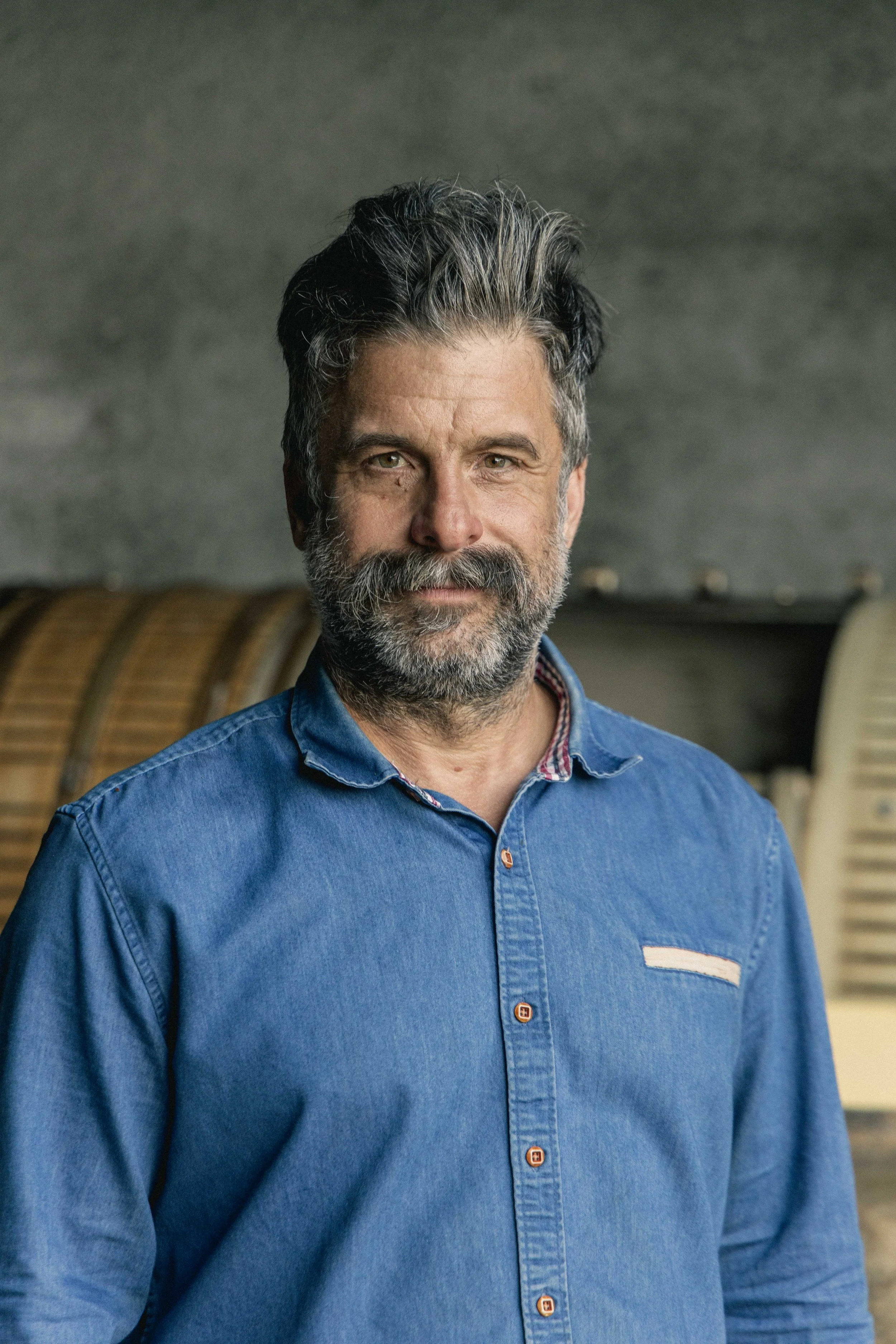
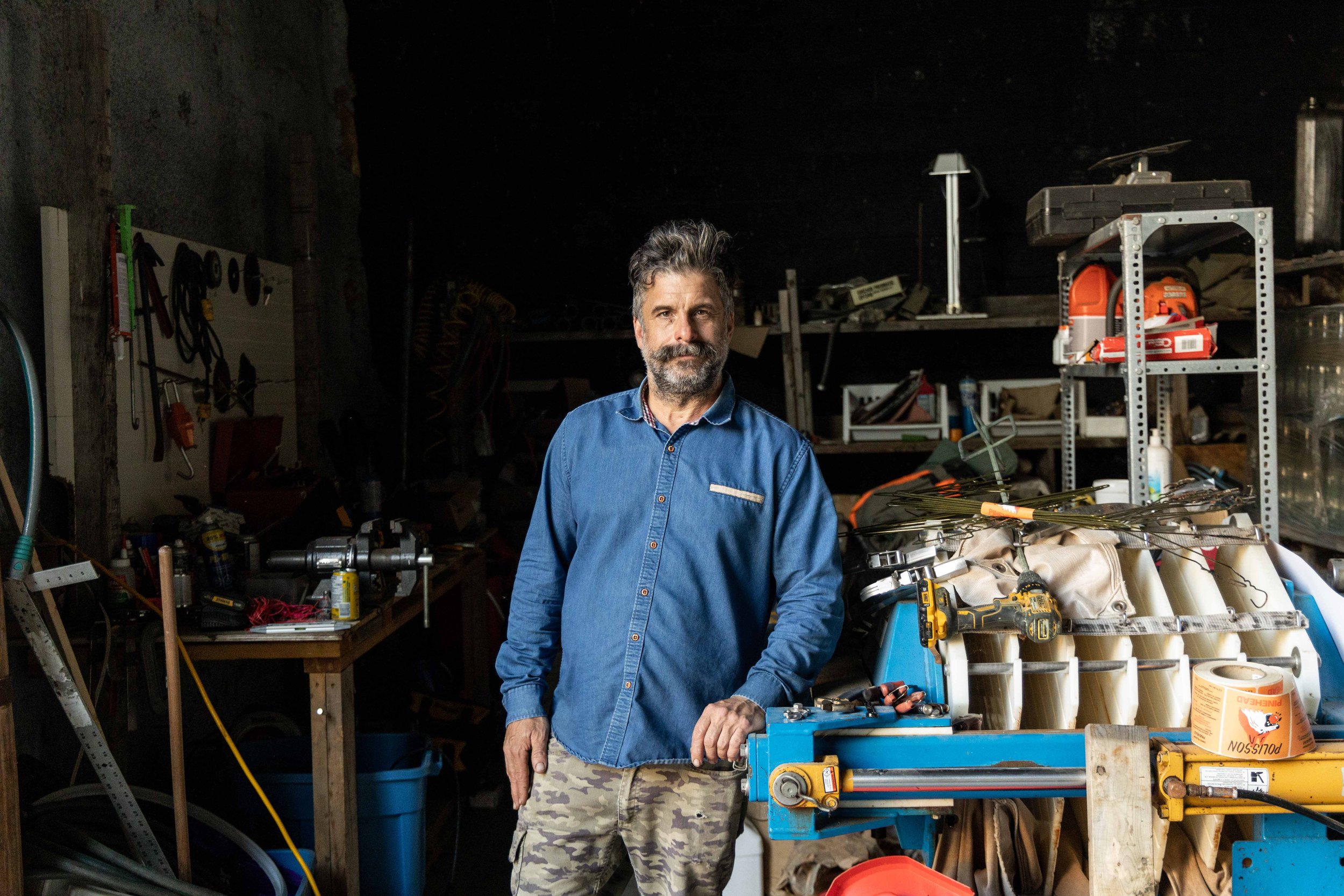
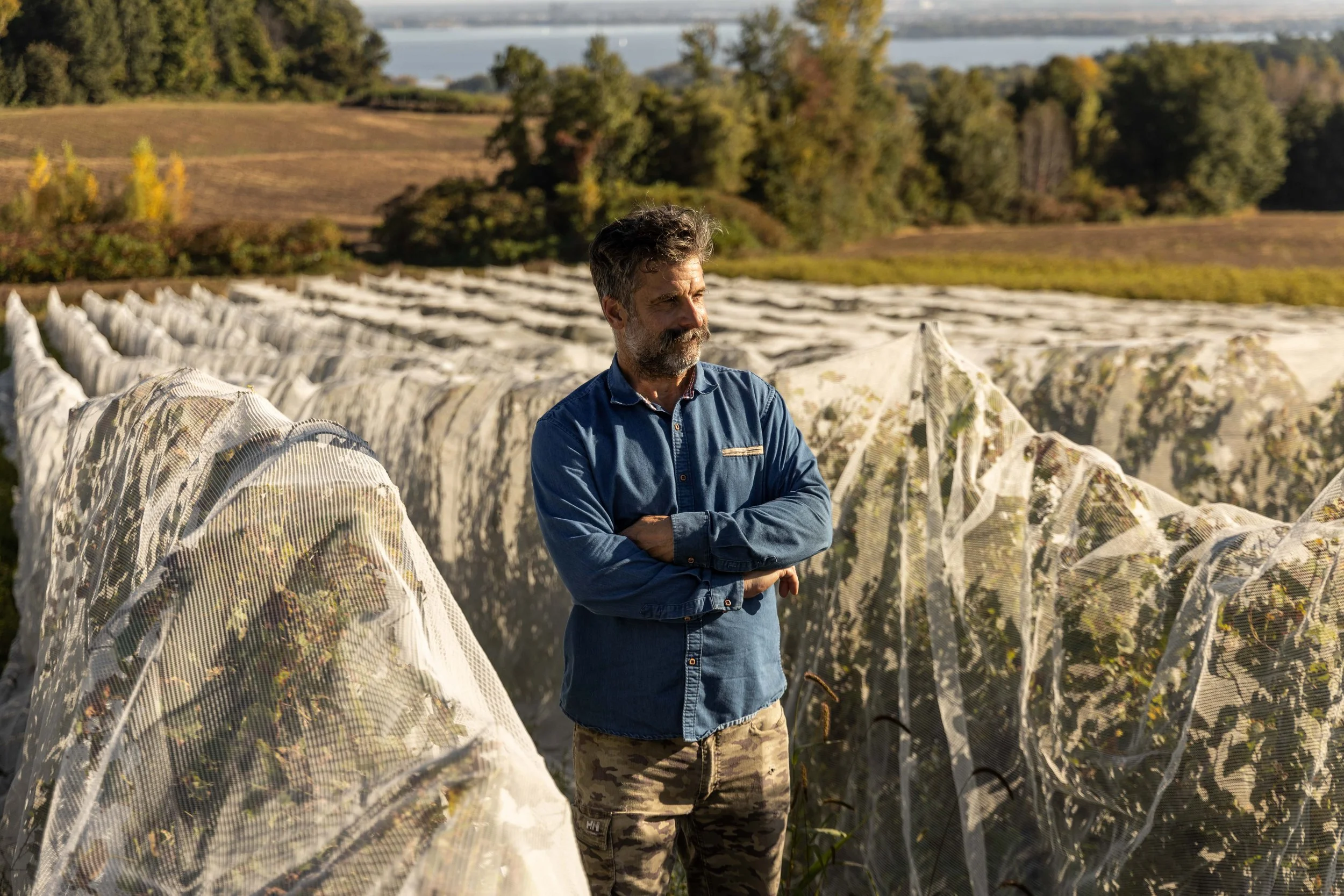
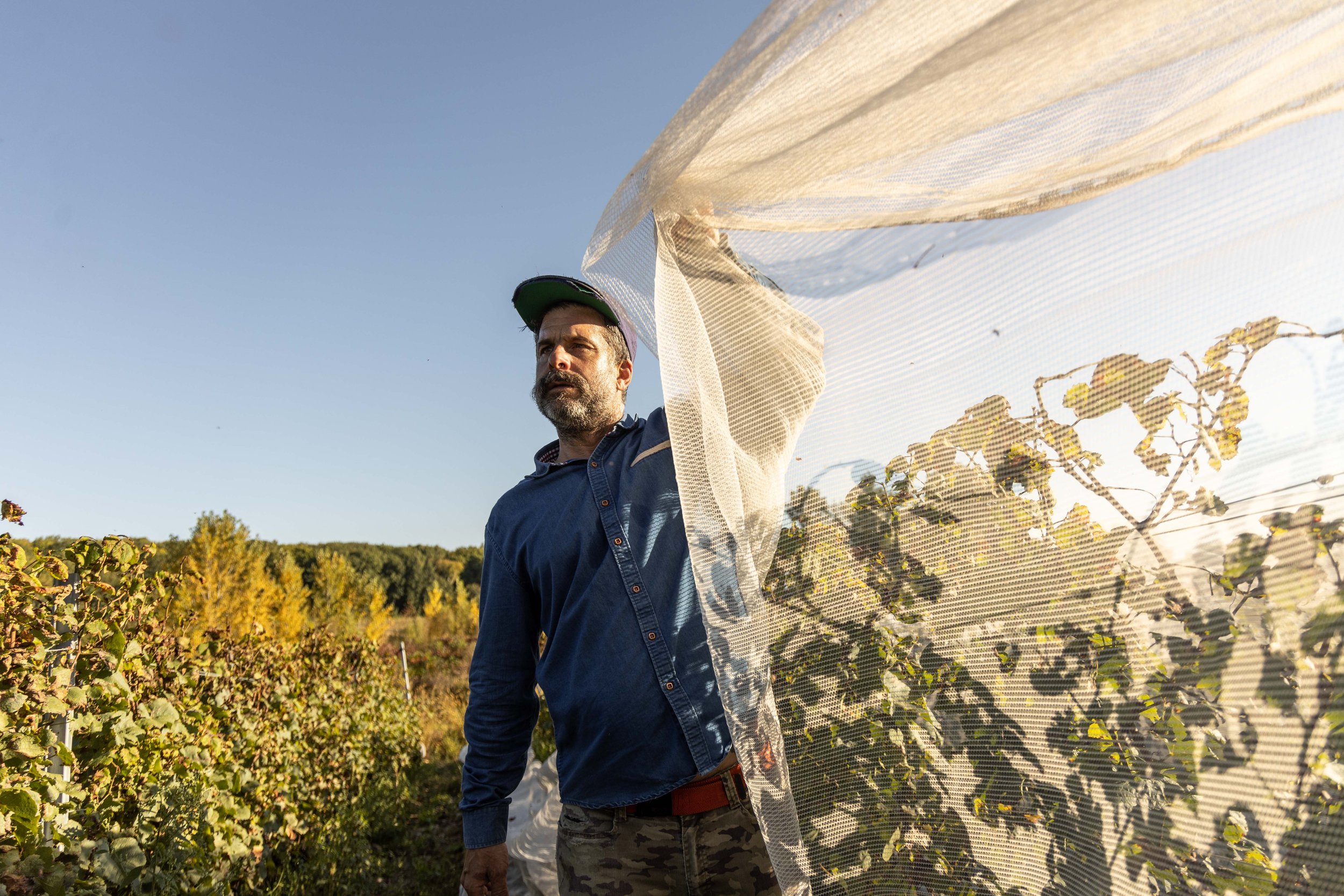
Hugo Grenon never intended on becoming a winemaker. As a geologist who spent years mapping Quebec's mineral-rich substrata and exploring diamond deposits in the Arctic, he understood the language of rock better than most understand their mother tongue. But in 2019, during his sommelier studies at Montreal's ITHQ, Grenon realized that the textbooks describing ideal vineyard conditions: South-facing slopes, well-drained soil, alkaline bedrock — describing a geological anomaly he already knew: the Oka alkaline complex, a 117-million-year-old carbonatite intrusion that rises like a forgotten volcano northwest of Montreal.
Most winemakers inherit their terroir. Grenon hunted his.
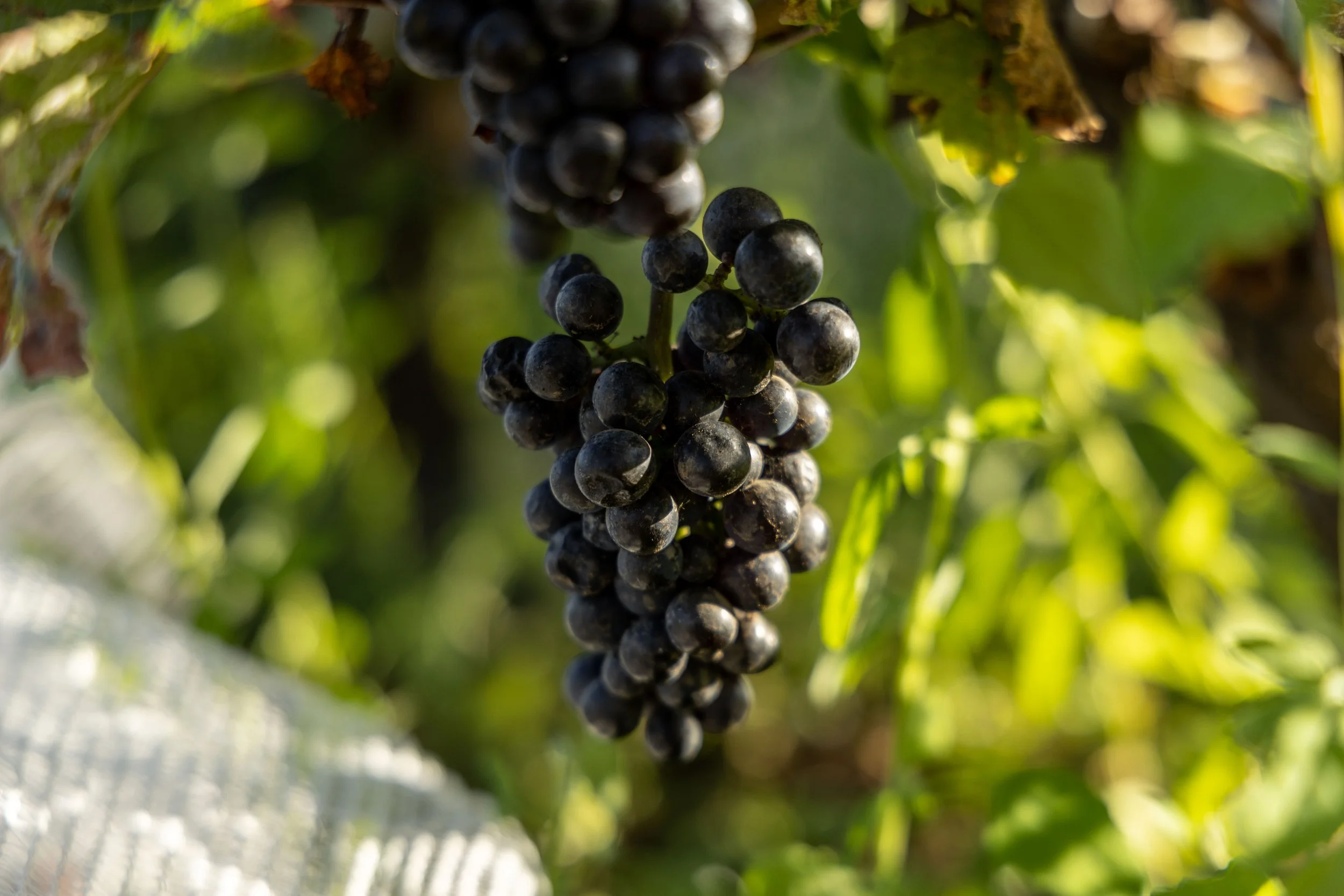
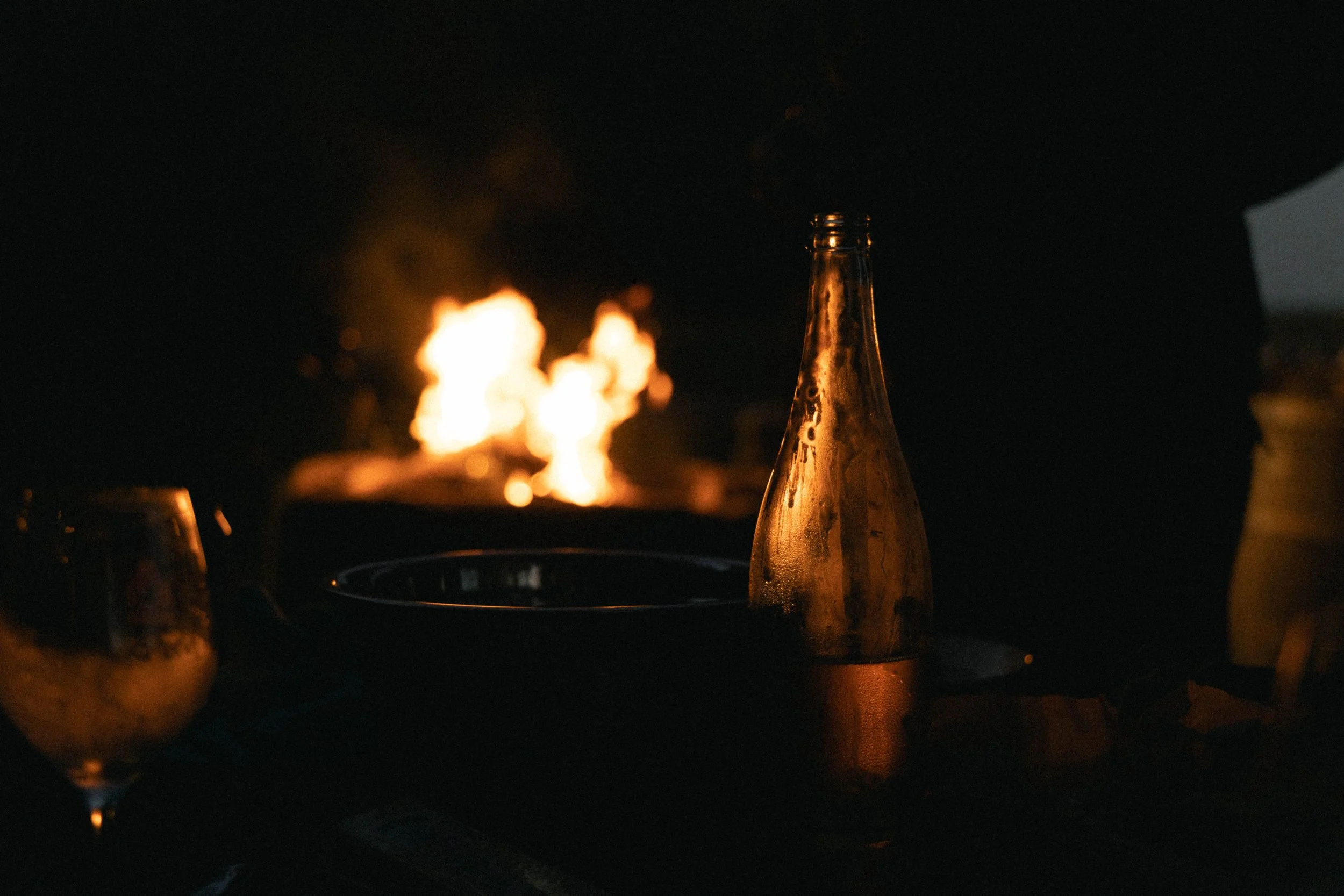
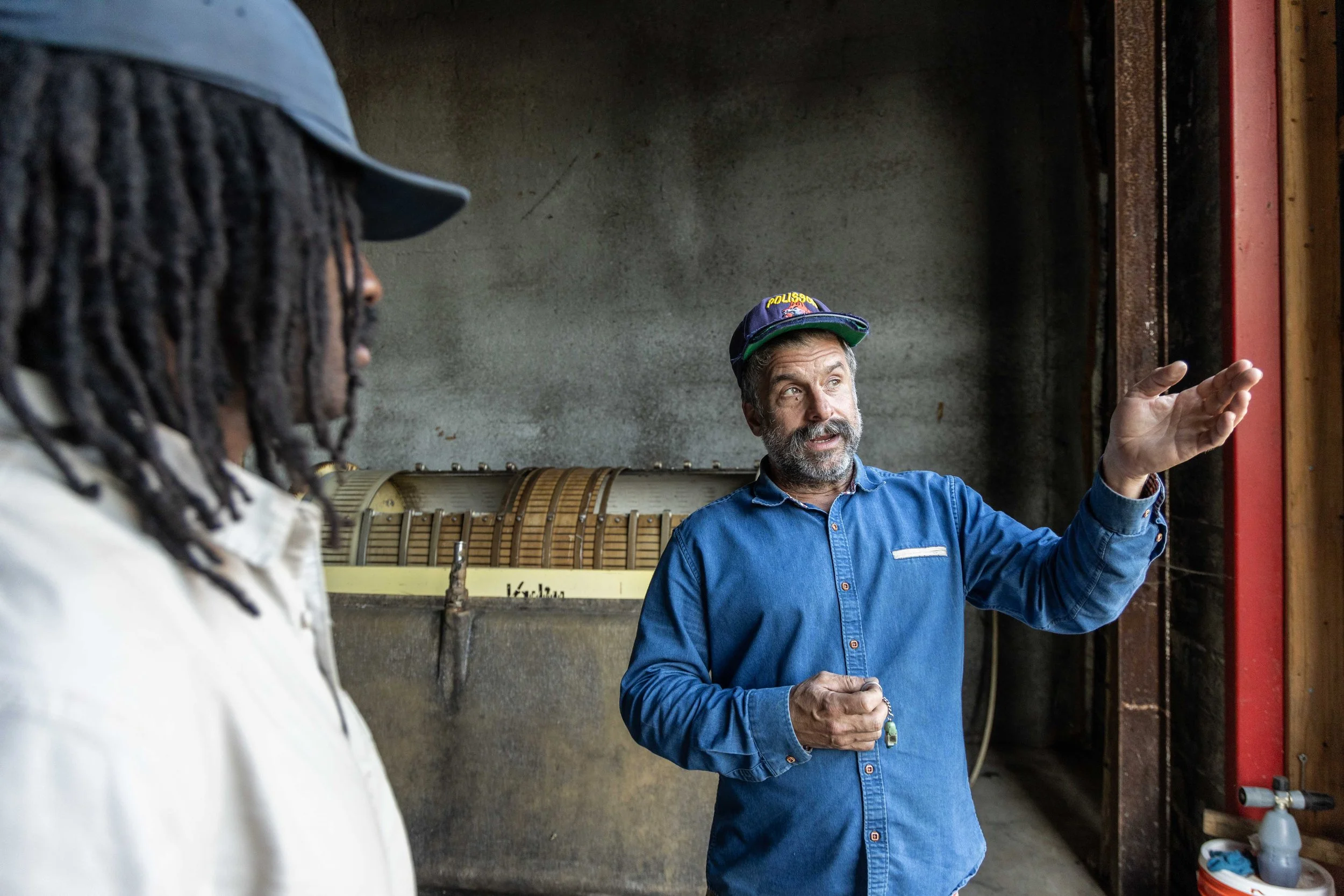
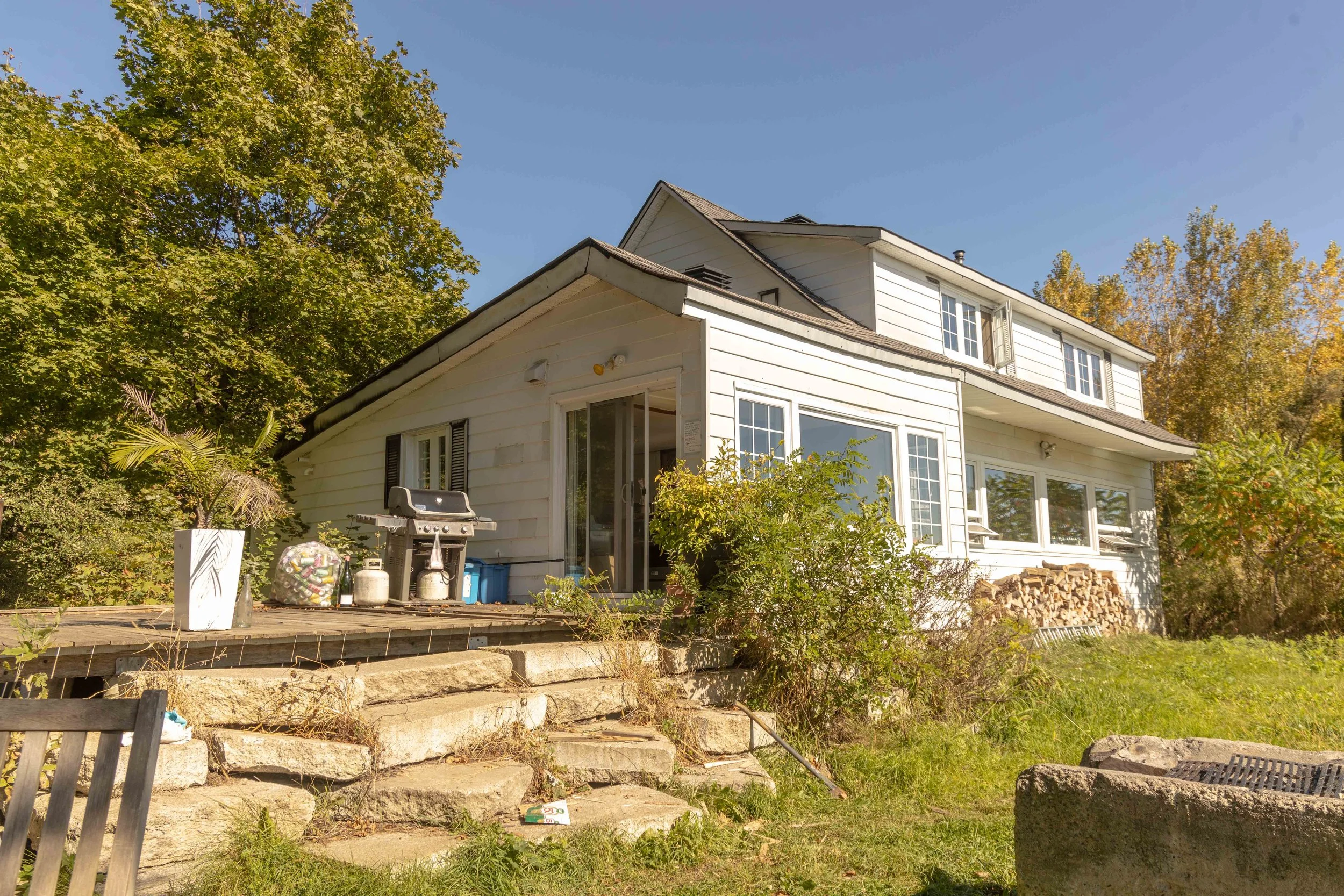
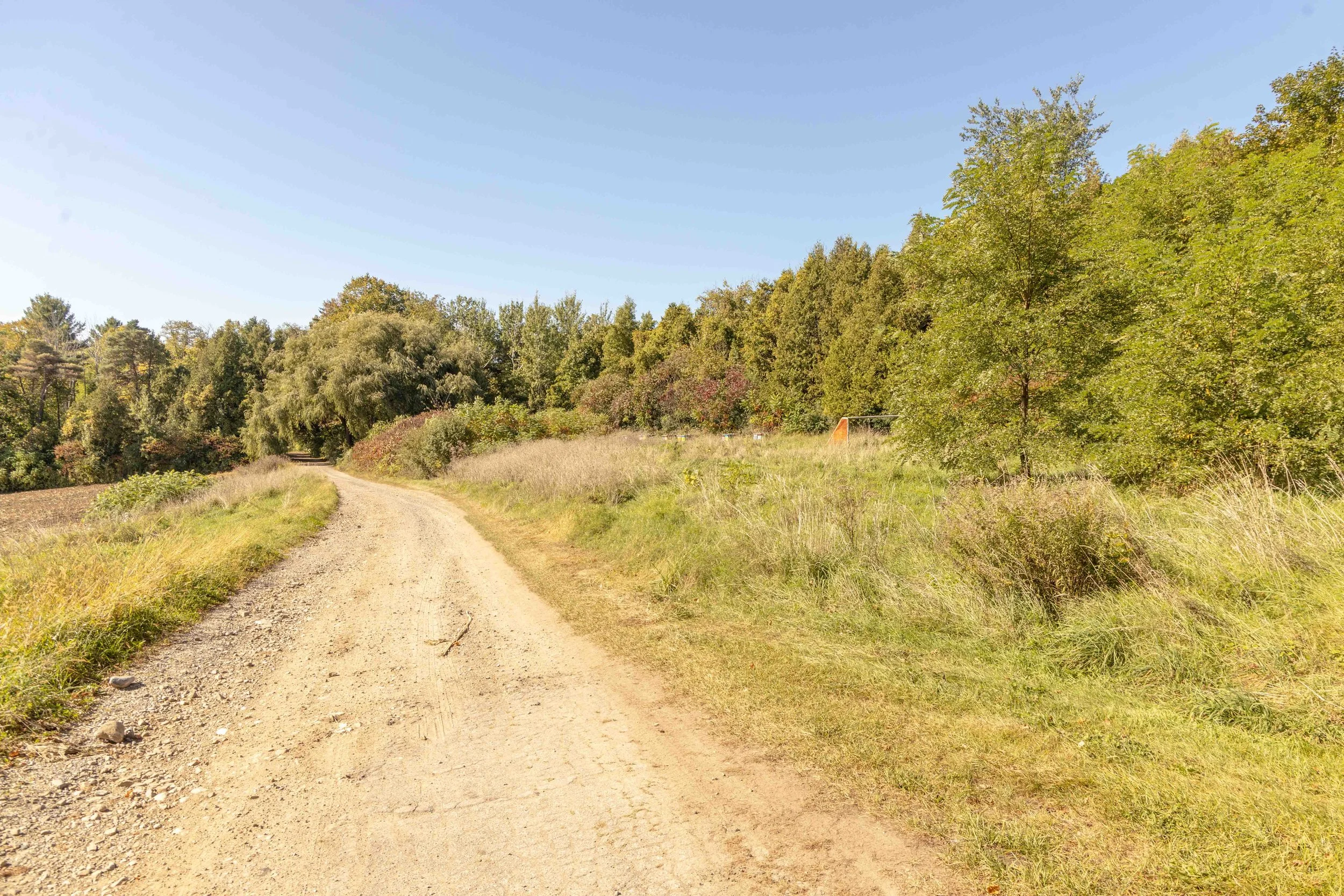
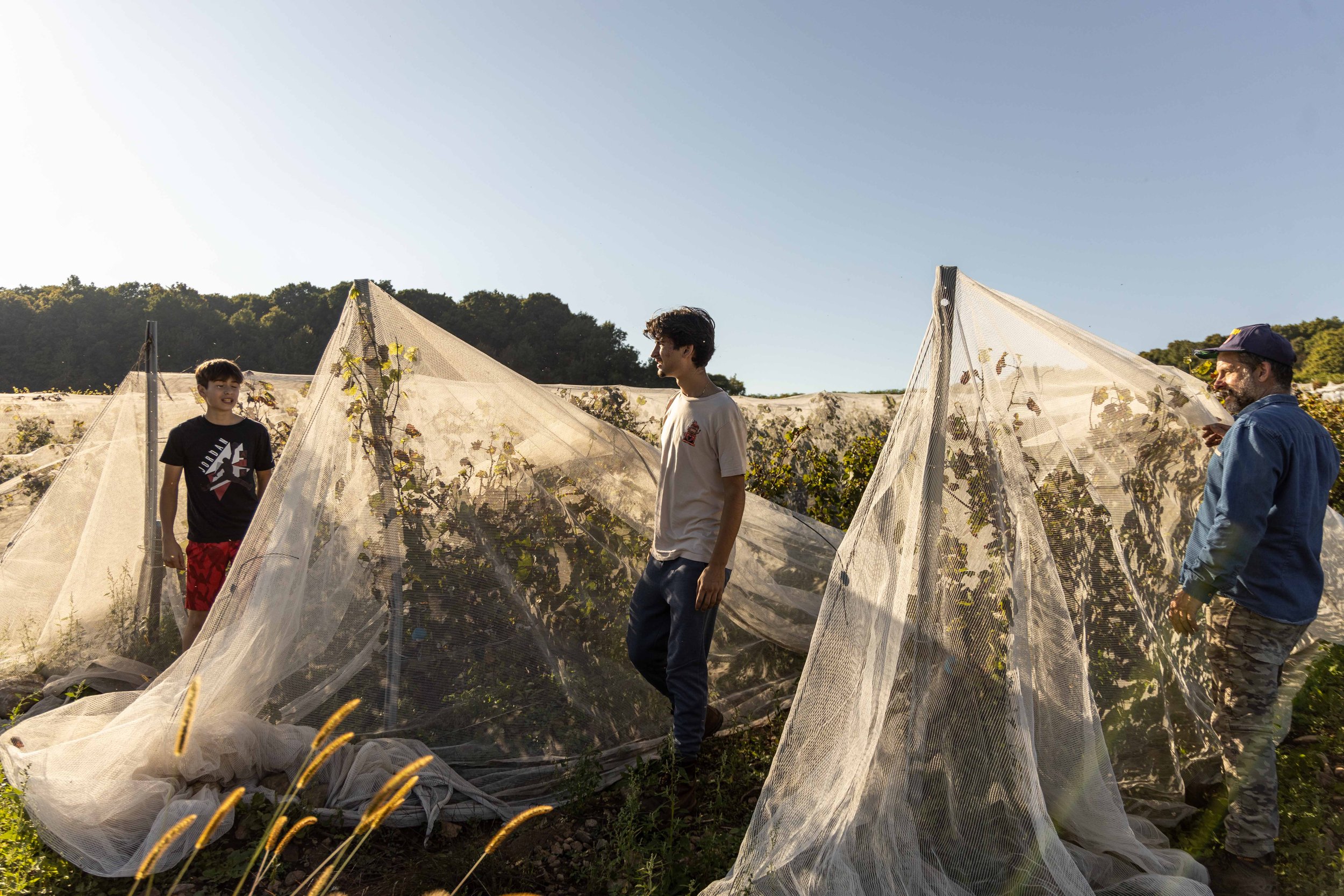
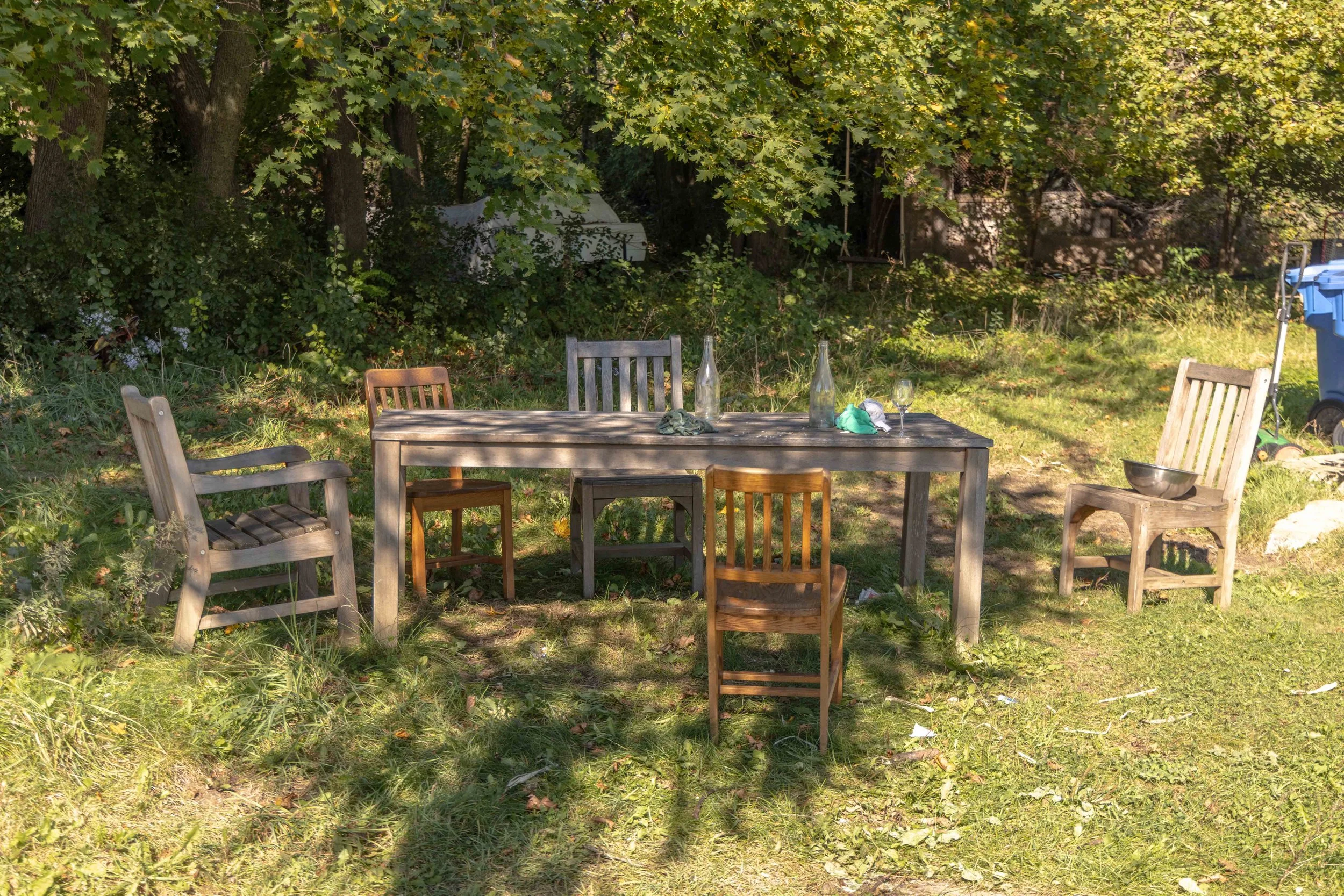
During our stay, we became more and more intimate with all the intricacies of the land. They was defined by moments experienced around the fireplace with Hugo, uncovering the subtleties of the land, feasts shared together, trying on new honeys, varieties of grapes, walking on the coarse yet fertile soil, which all around added to our collective understanding of what made those wines so vivid.
The 38 hectares he acquired weren't purchased on romantic whim but selected with the precision of a mineral prospector. The land sits atop one of North America's rarest geological formations, an alkaline volcanic substrate with pH levels exceptionally favorable to vine vitality. In a province where viticulture has long been an exercise in adaptation and compromise, faring with frigid winters and short growing seasons, Grenon found soil that wanted to make wine. Where others saw the northern frontier of possibility, he saw an edge about to be redrawn.
Quebec's wine renaissance has been unfolding against a backdrop that would have seemed implausible just decades ago. Climate models project that by mid-century, most of southern Quebec will possess the growing conditions that now define premier wine regions, with enough frost-free days, sufficient heat accumulation, and the extended ripening periods that transform hybrids into heritage varieties. The province has also doubled its commercial vineyards in less than a decade, now producing over three million bottles annually from more than 160 wineries. Where Vidal and Seyval once dominated out of necessity, Pinot Noir and Chardonnay are now staking claim to the same soil.
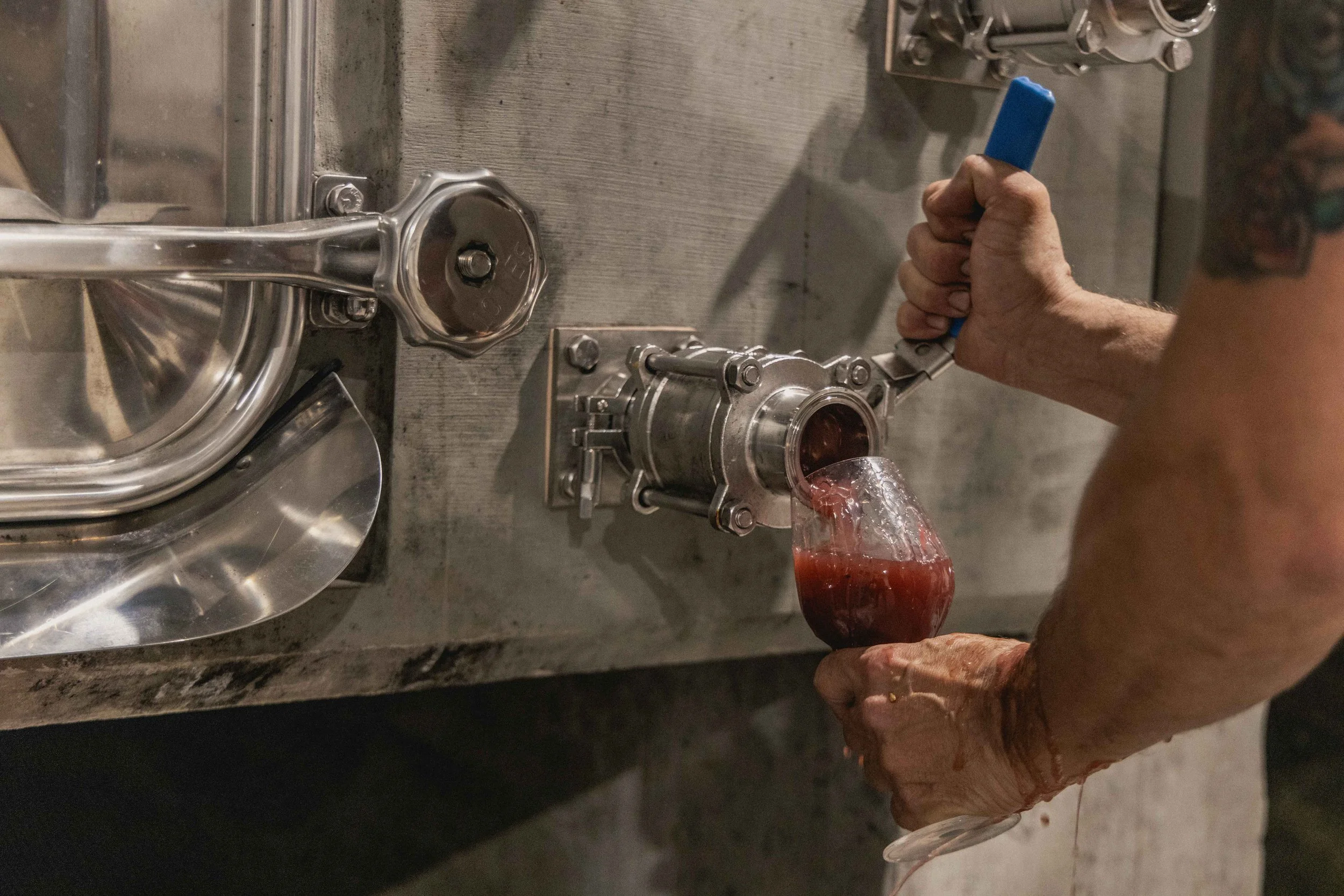
But Grenon's Domaine Polisson represents something more subversive than climatic opportunity. His wines—Bâtard Rouge, Bâtard Blanc, and the méthode ancestrale ciders he produces while his vines mature—are deliberately mongrel, merging hybrid varieties with European vinifera in proportions that would make Old World purists recoil. It's a bet that Quebec's future lies not in mimicry but in creating a vocabulary entirely its own. In a market where French wines still command a third of Quebec's consumption and imported bottles dominate 75% of retail sales, local producers must do more than compete on terroir, they must redefine what terroir means in a climate that's rewriting its own rules season by season.
The Canadian wine market, valued at $12.75 billion and projected to reach $15.6 billion by 2032, is in the midst of a profound transformation. Quebec, with per capita wine spending at $377 (the highest in Canada), represents both the country's most discerning market and its greatest untapped potential. As traditional wine regions in Mediterranean Europe face existential threats from drought and heat stress, with some models suggesting 90% of Spain and Italy's coastal vineyards could become unviable by century's end, northern territories are becoming the new frontier. Quebec's cool-climate advantage isn't in its parrying of climate change, but about being positioned exactly where the world's wine belt is migrating.
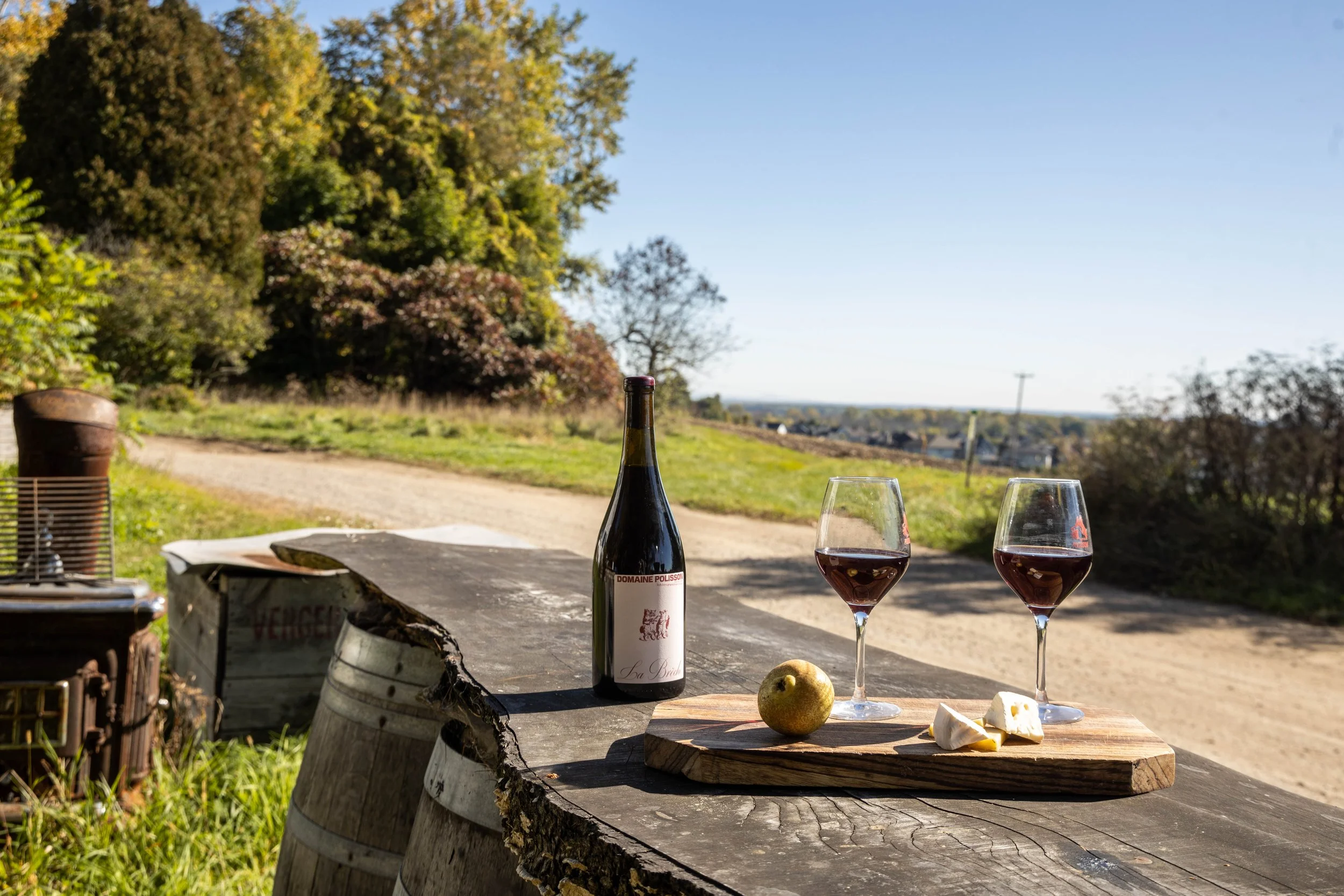
In Grenon's biologically farmed parcels, La Brèche, with its perfectly drained three-hectare slope, and La Cache, situated in what was once a volcanic crater, you can taste this geological passing-on. The wines possess a minerality that sommeliers describe as saline, a concentration born from stressed vines seeking nutrients in ancient rock.
What I photographed at Domaine Polisson was the visible edge of a continental shift, both geological and viticultural, where the impossible is becoming inevitable, where hybrids and vinifera coexist in defiance of tradition, and where the next century of wine might just be written in a language Quebec is inventing as it grows.
The question is not whether Quebec can make wine. It's whether the rest of the world is ready to taste what the north has to say.