
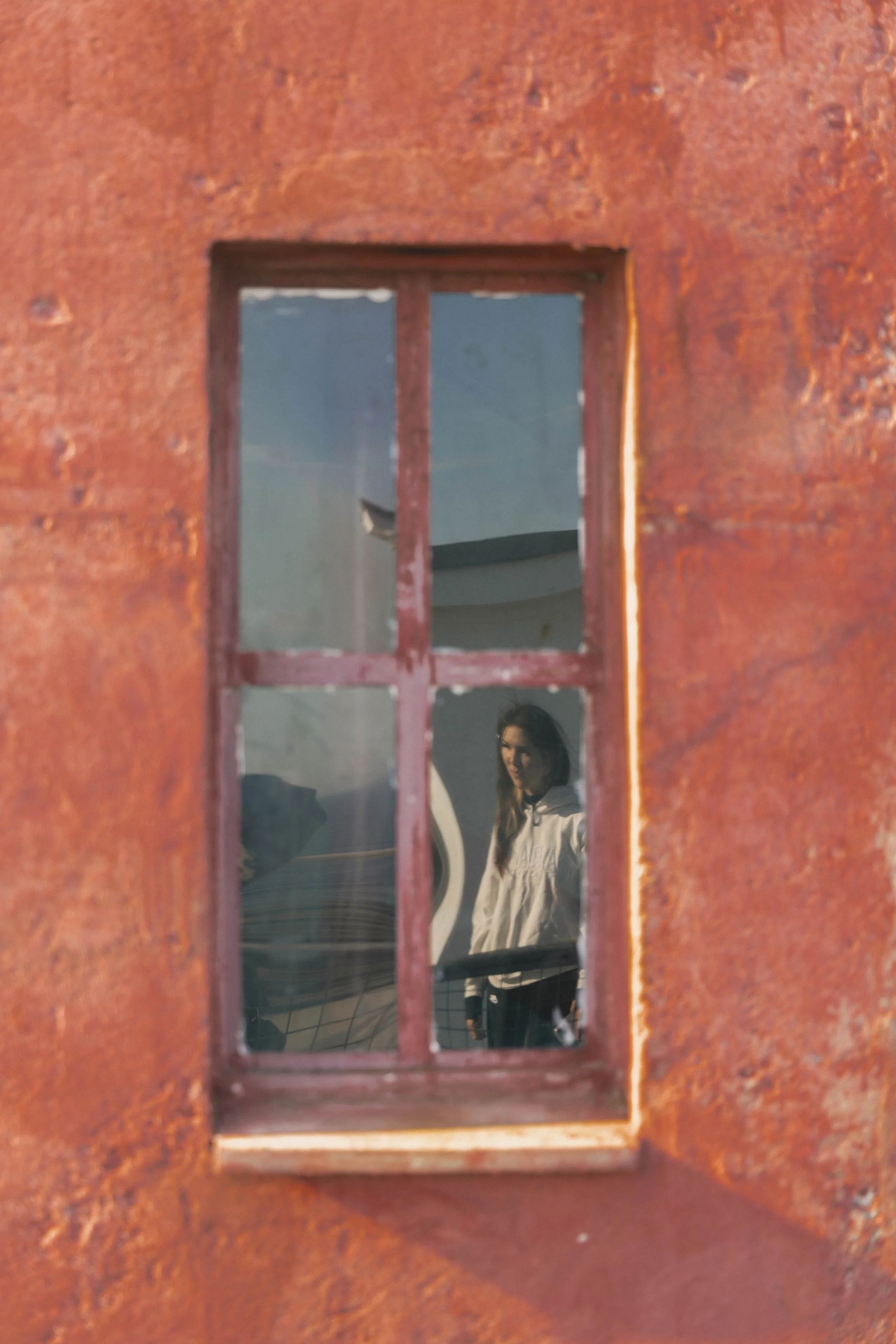
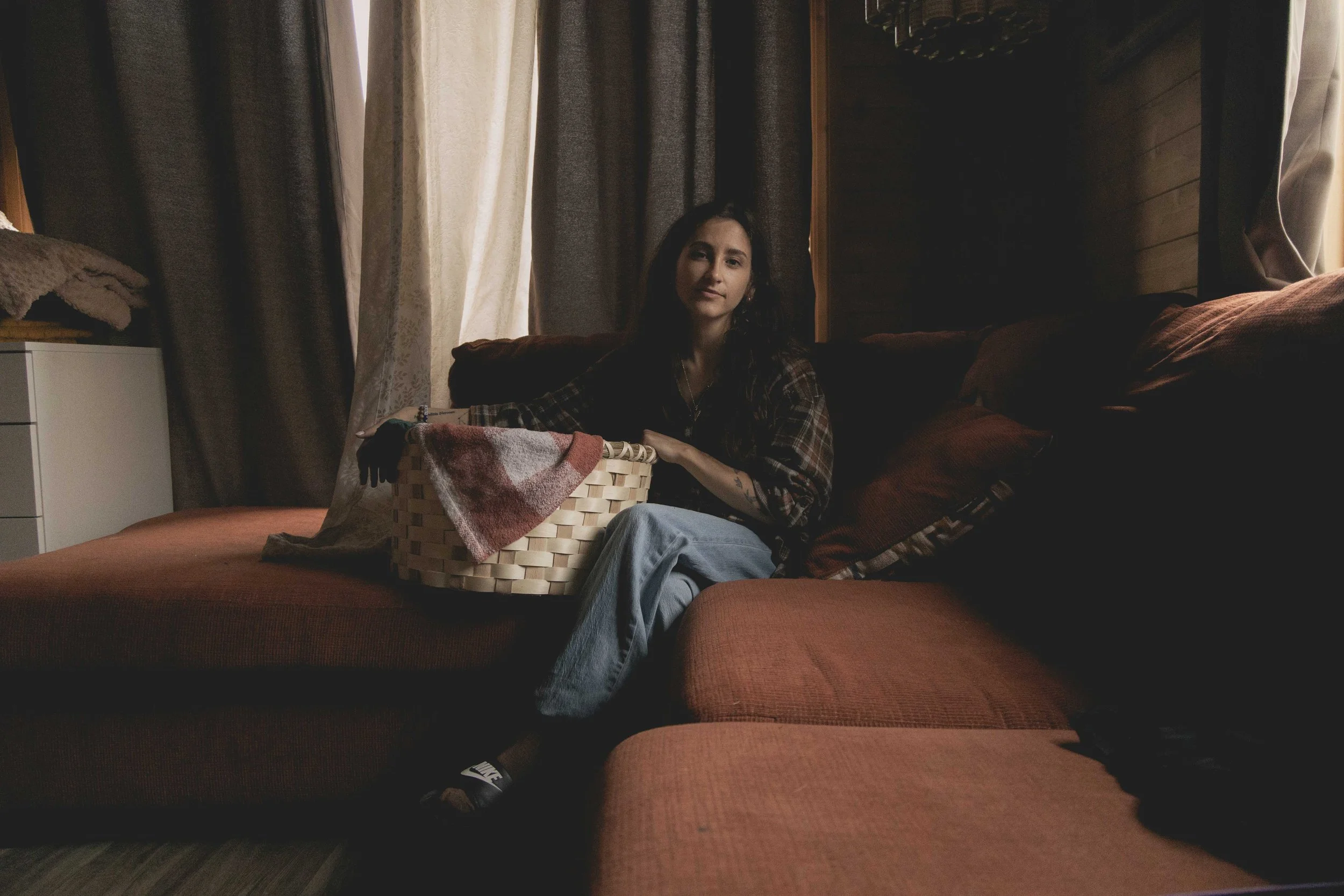
For generations, residential schools severed the Mi'kmaq from their most sacred craft. Now, guided by one of the last masters of the black ash tradition, a new generation is finding its way back to the tree that bore them.
Published in the Globe And Mail for Underexposed.
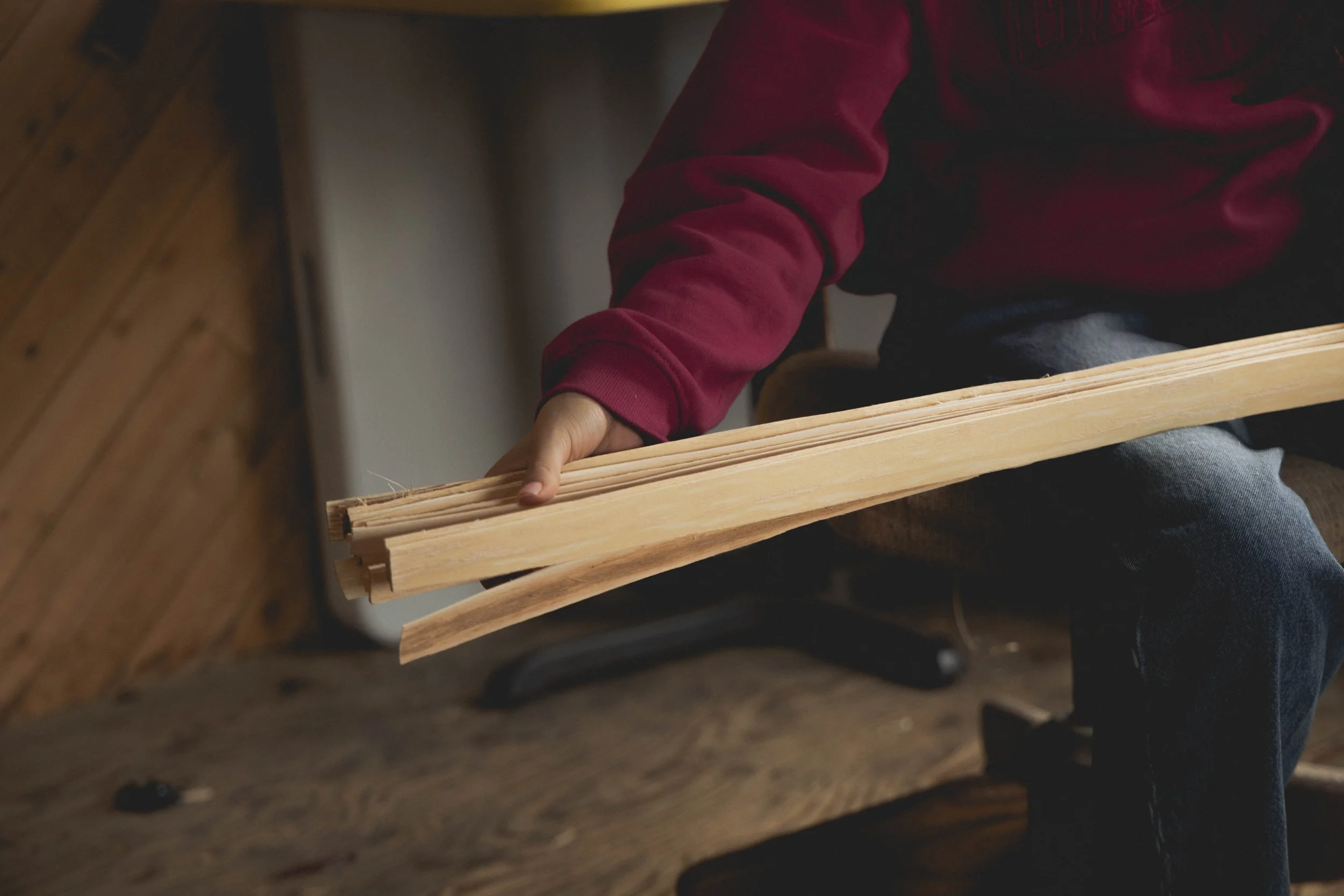
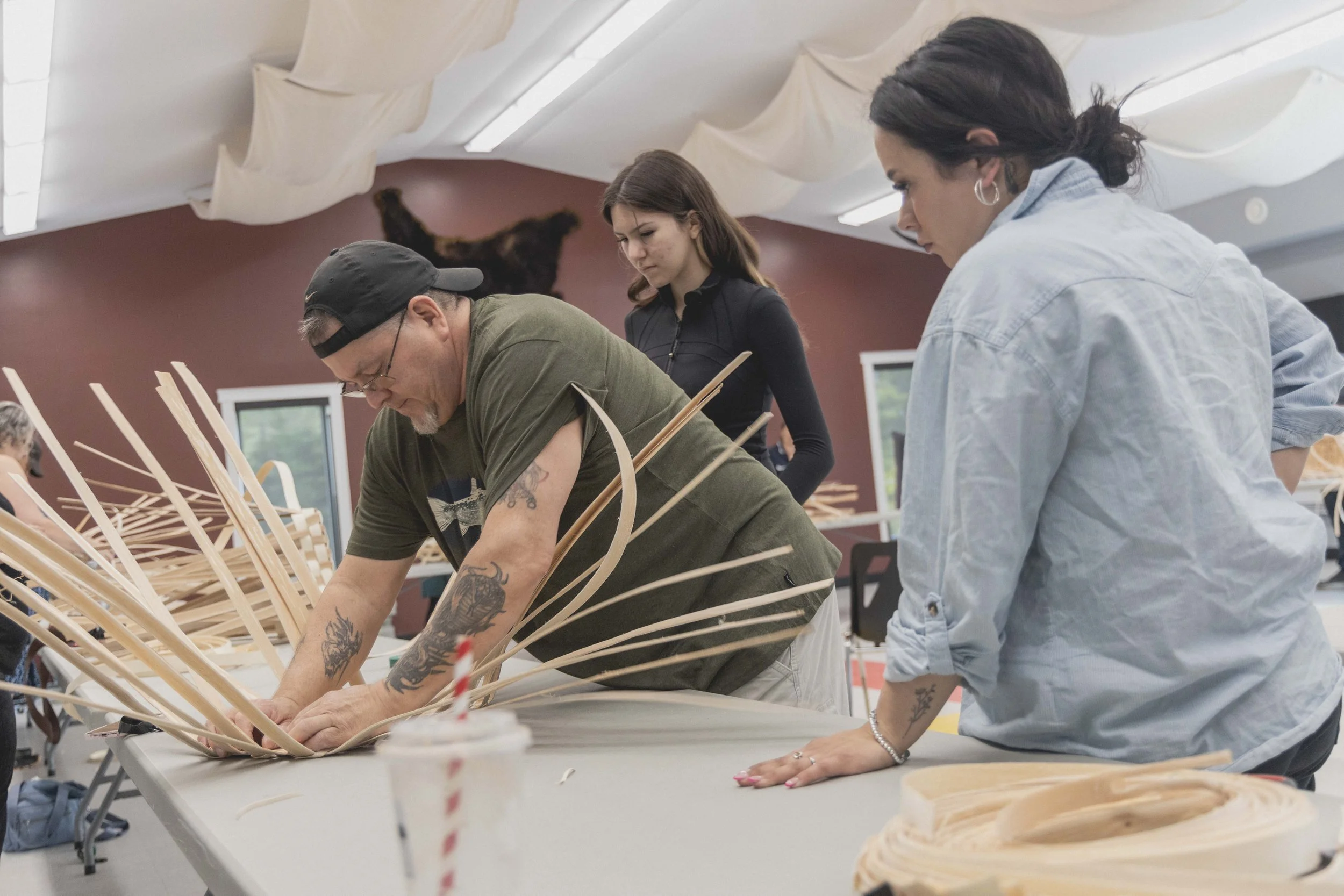
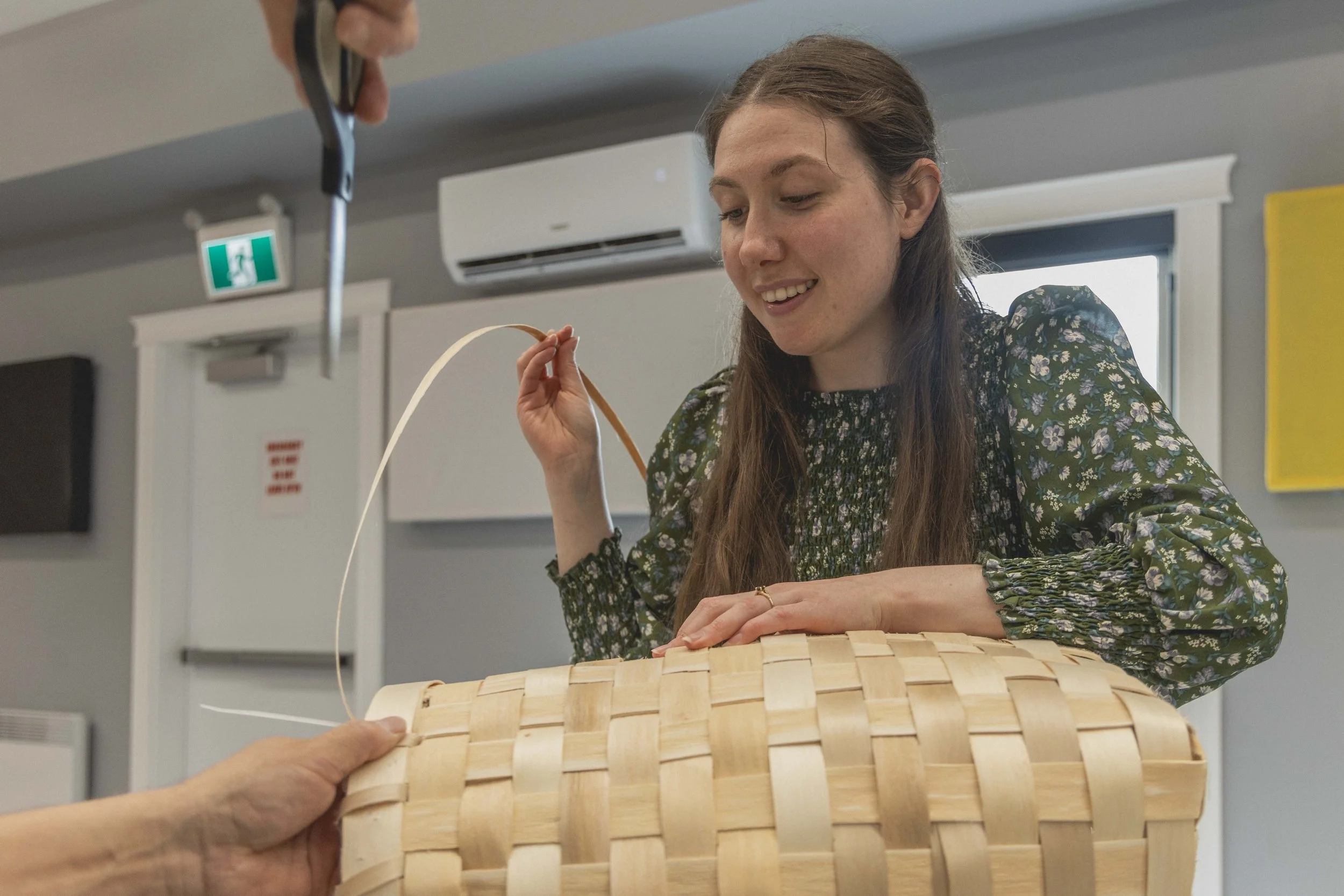
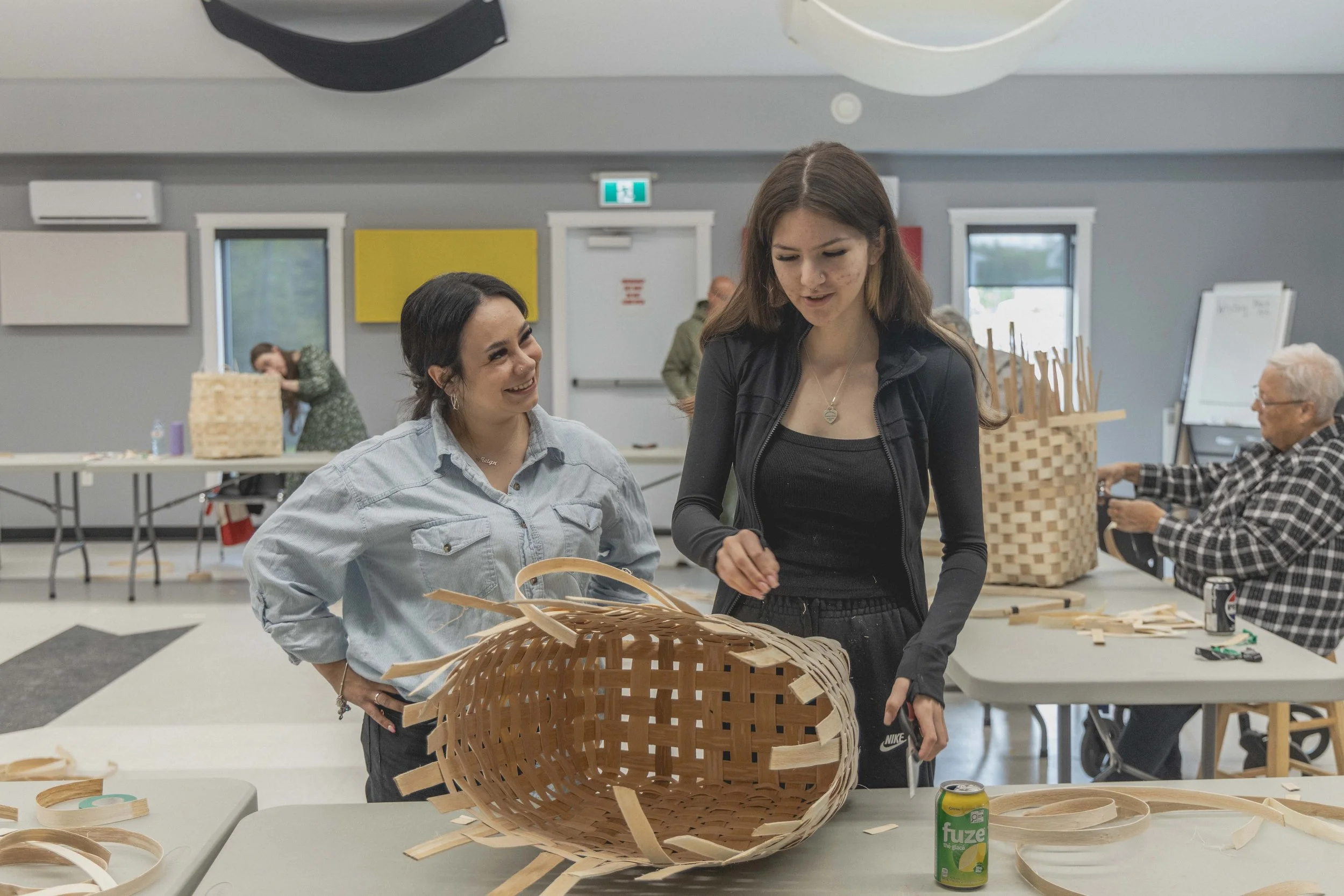
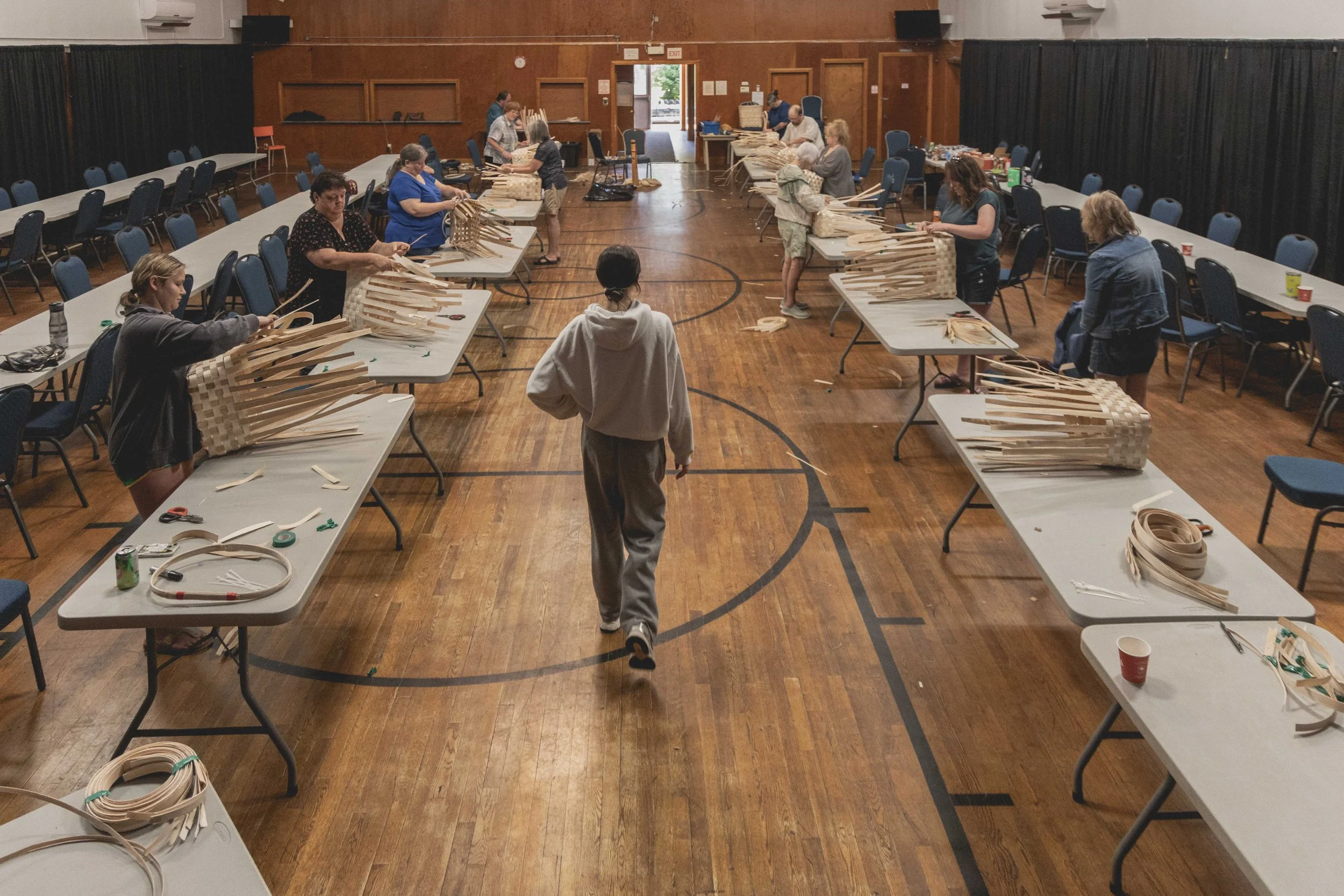
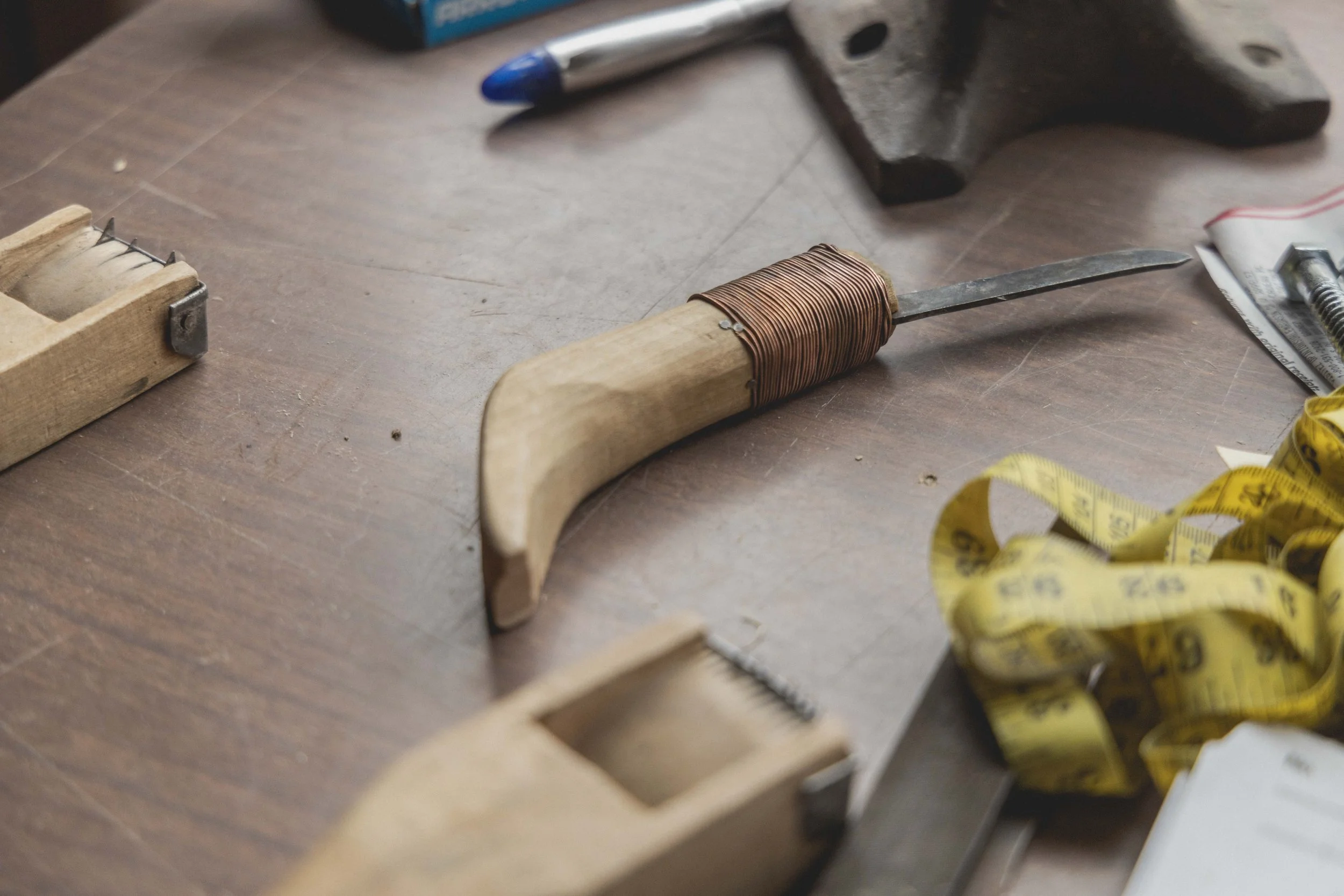
Across the Mi’kmaq communities of Canada’s East Coast, gymnasiums smell of ash wood as students learn the art of traditional basket making. On vast tables, hands work slowly, yet growing with confidence — older women and teenagers side by side, weaving bundles of black ash wood through their fingers, learning the techniques that make their ancestral basketry hold shape.
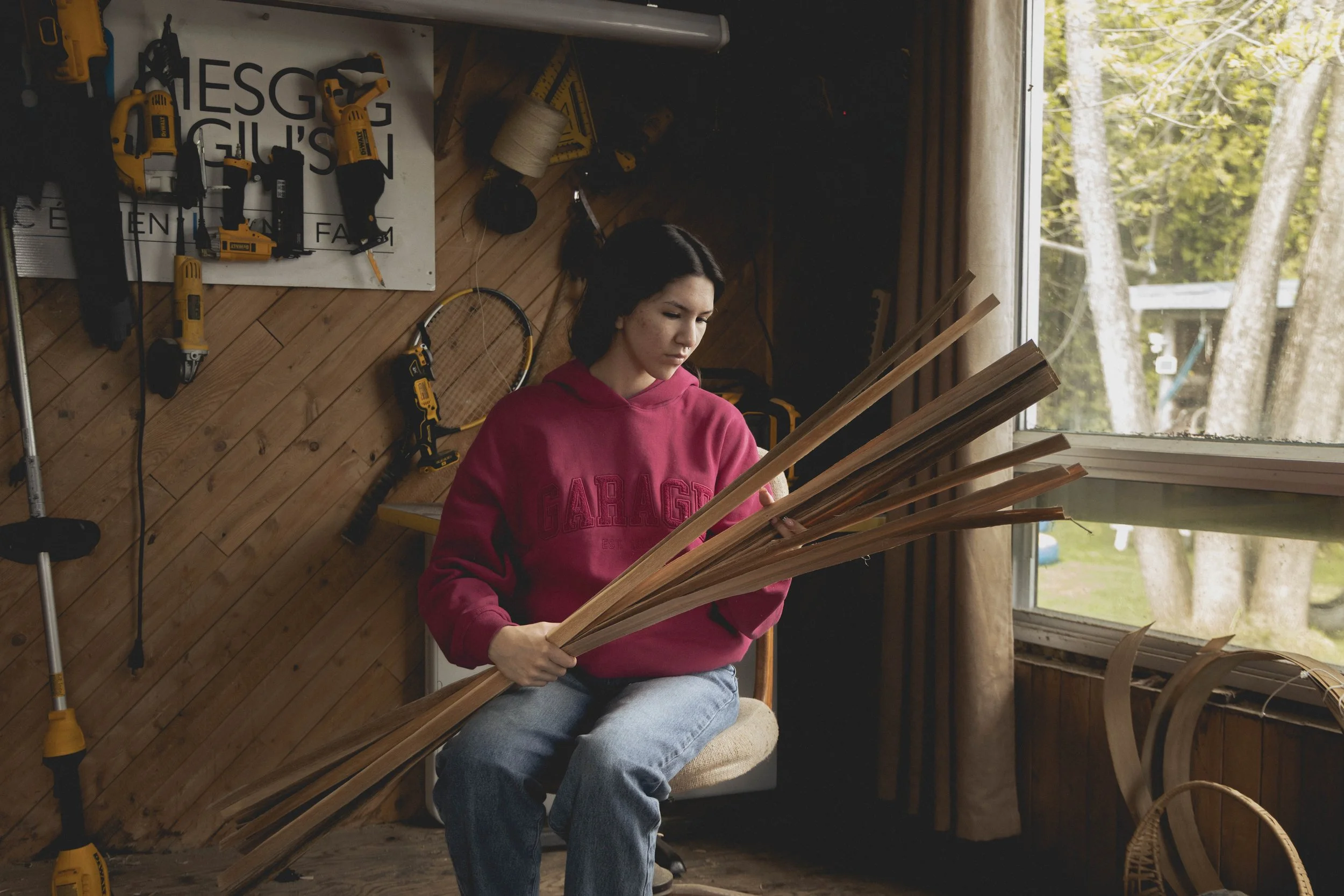
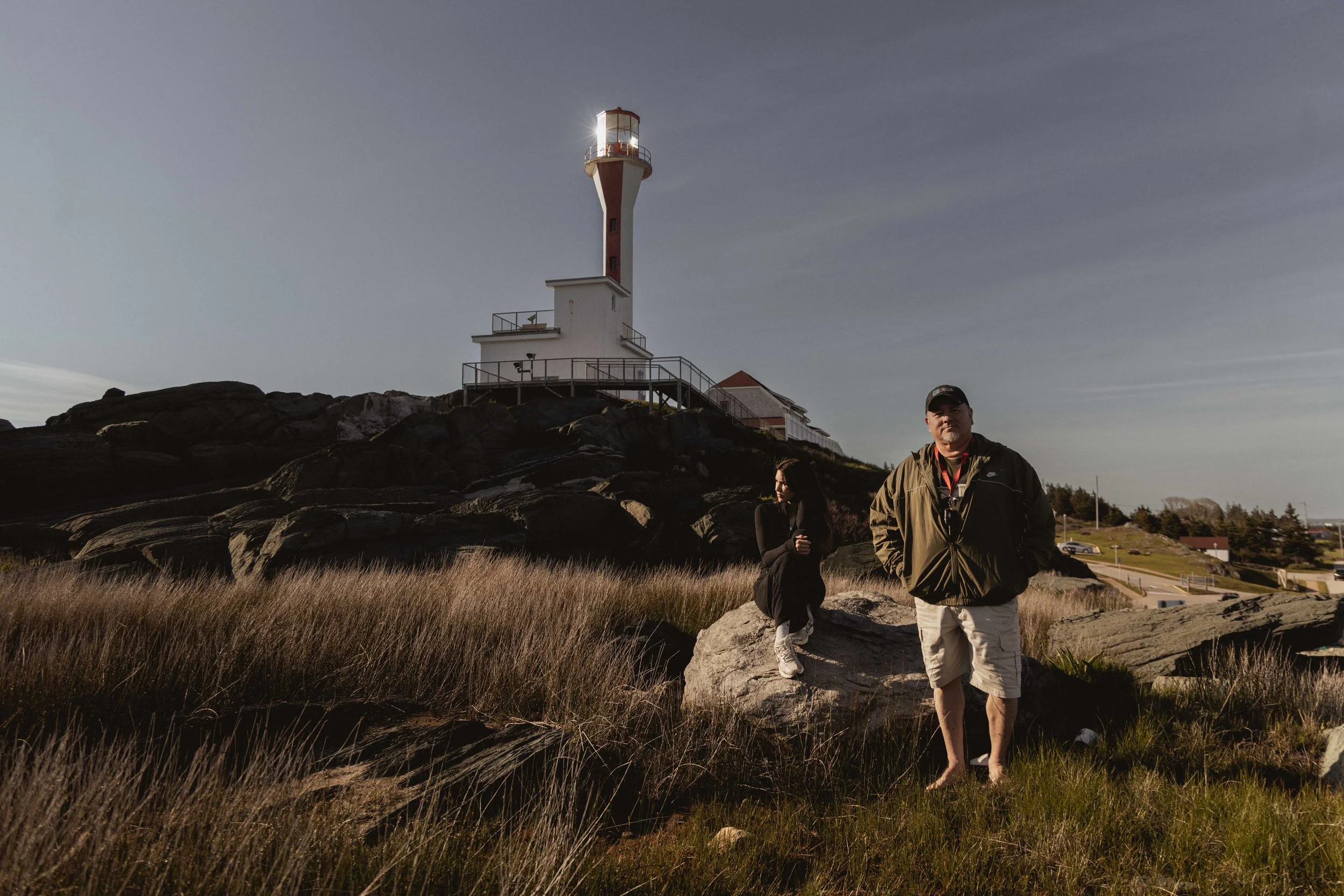
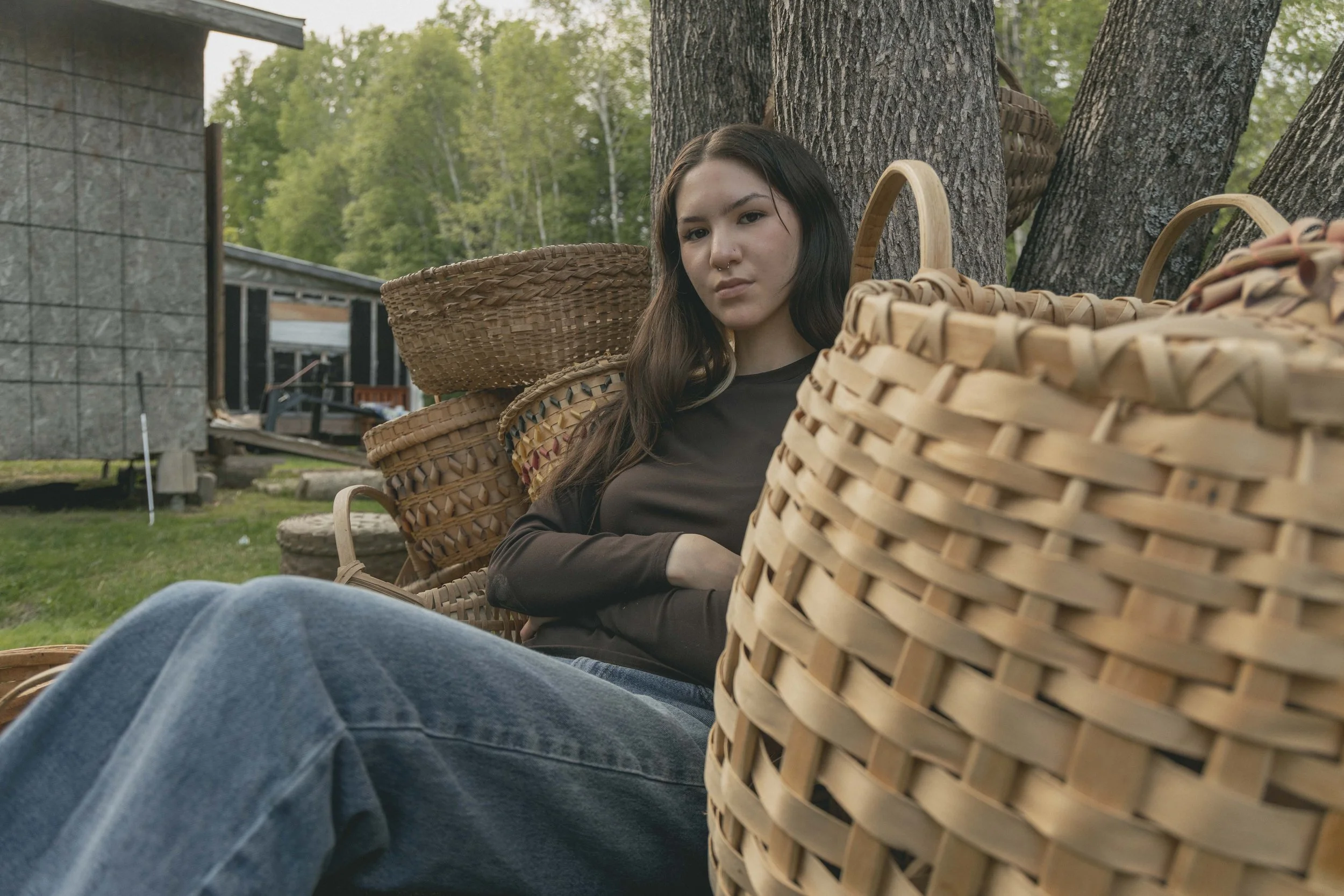
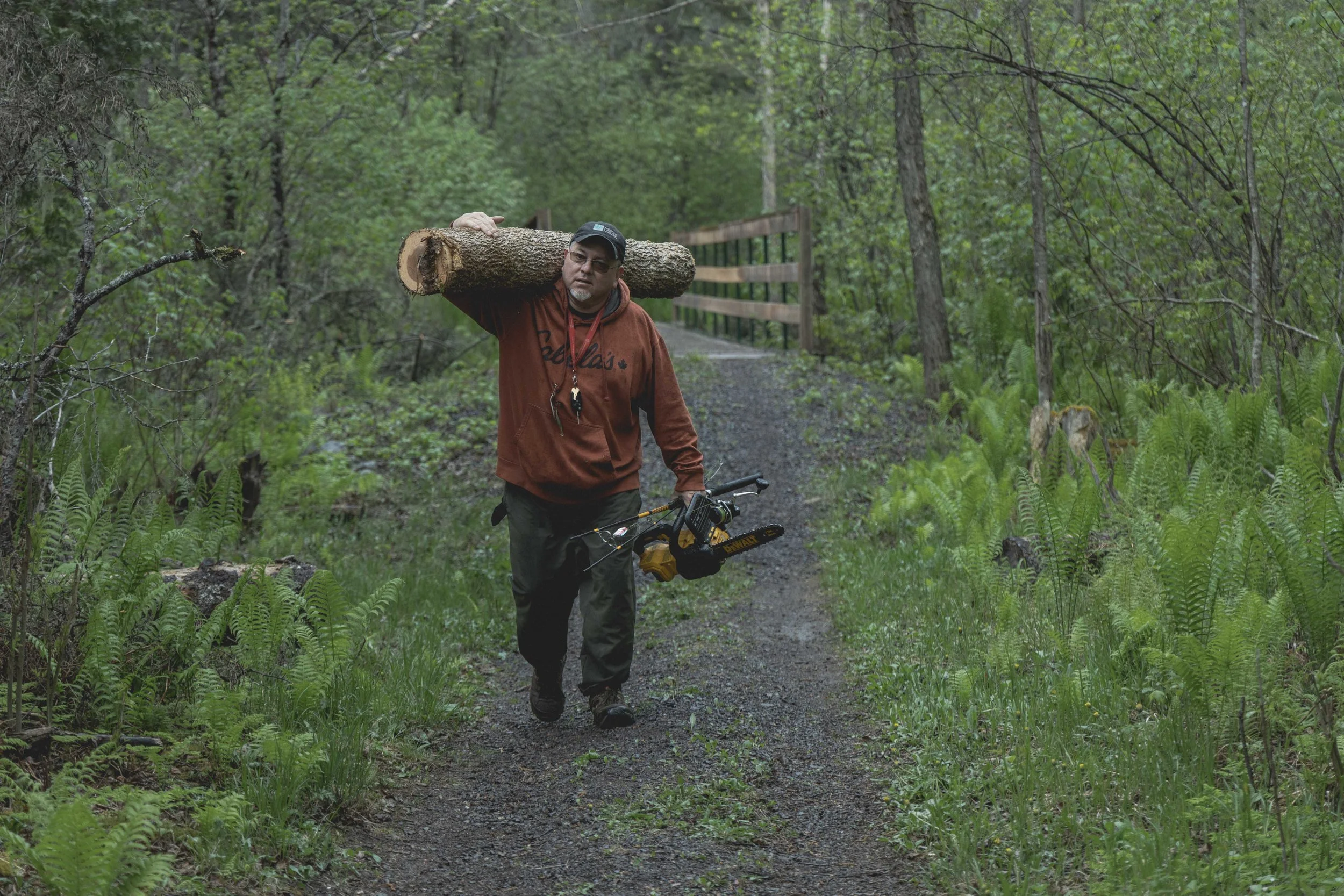
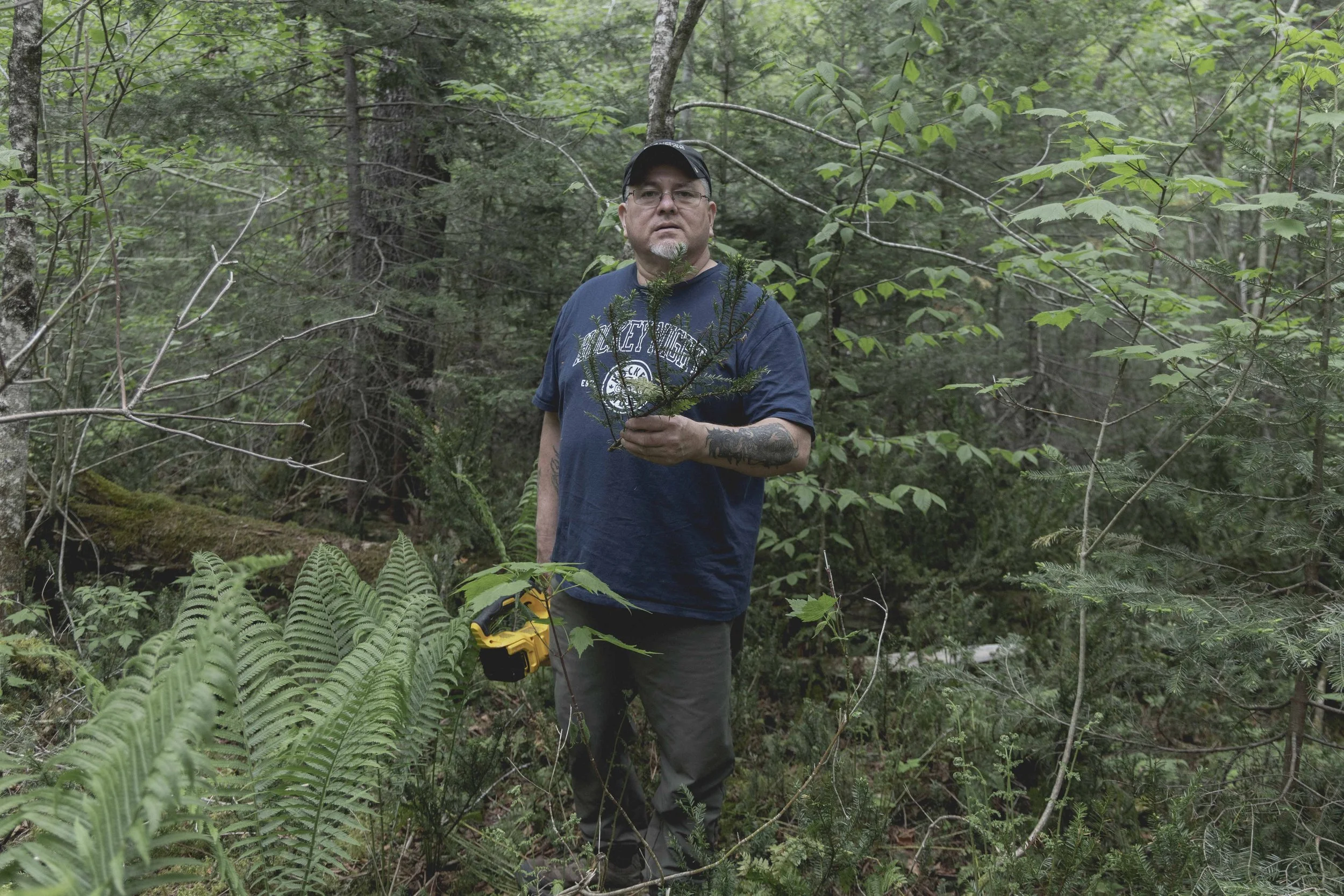
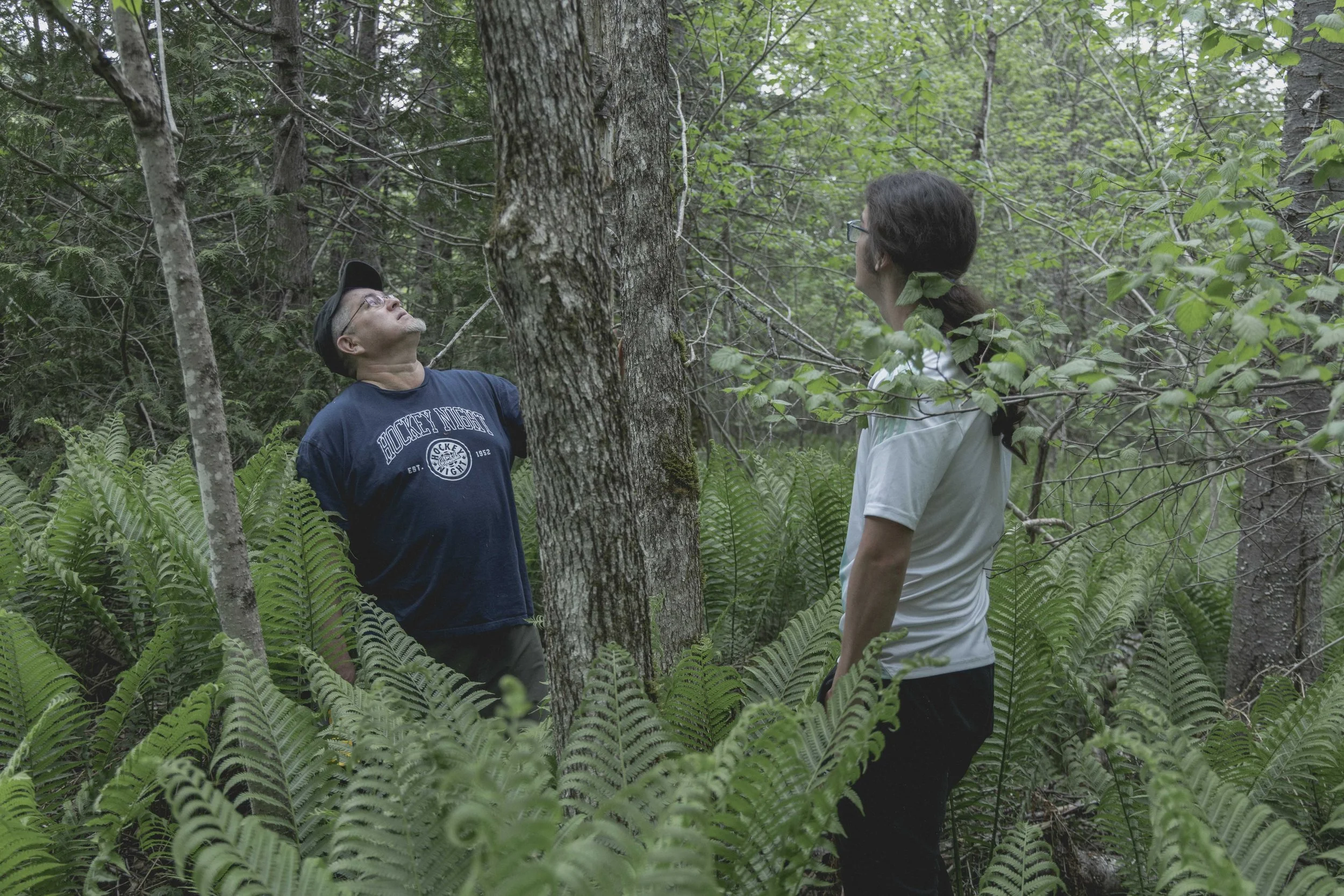
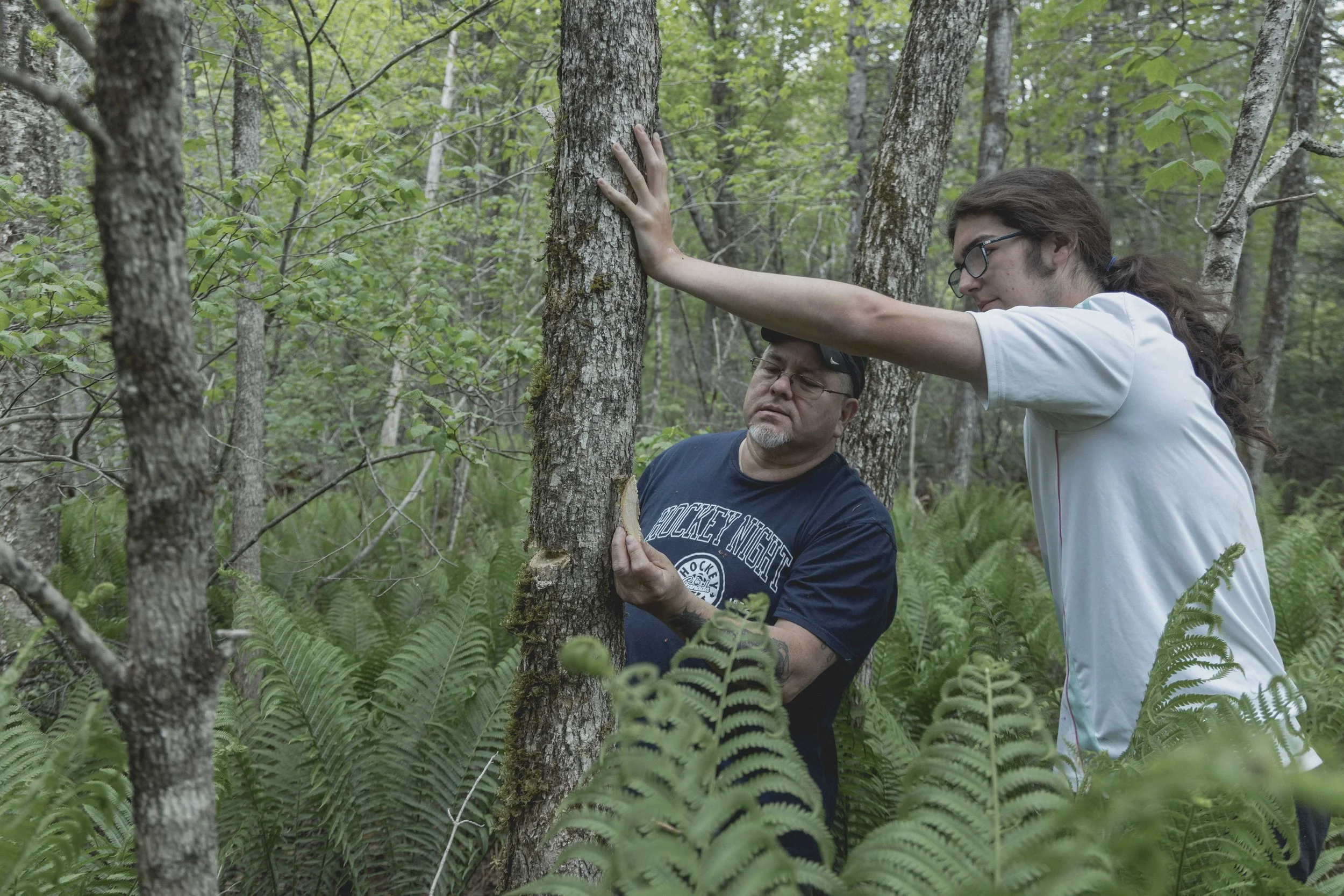
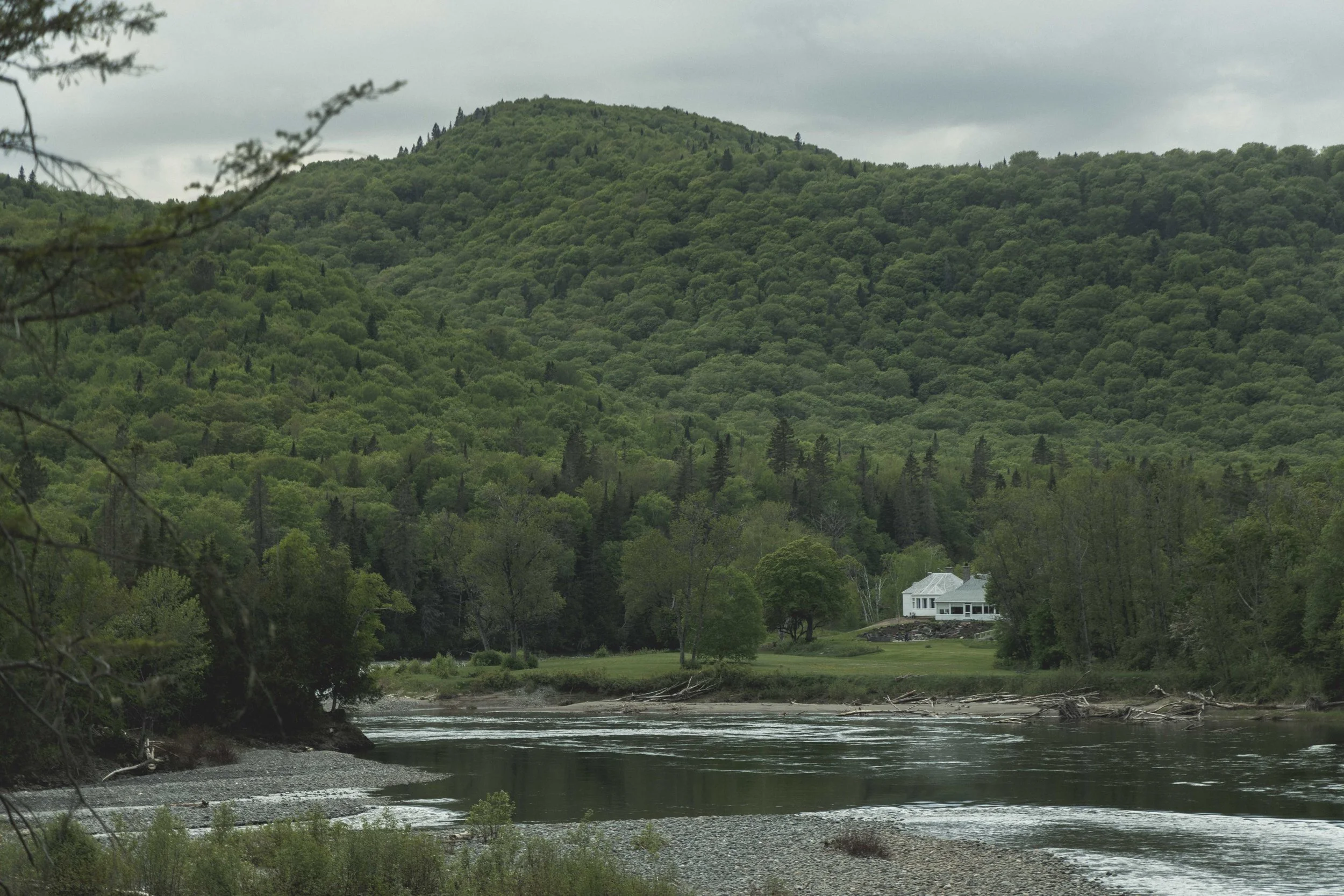
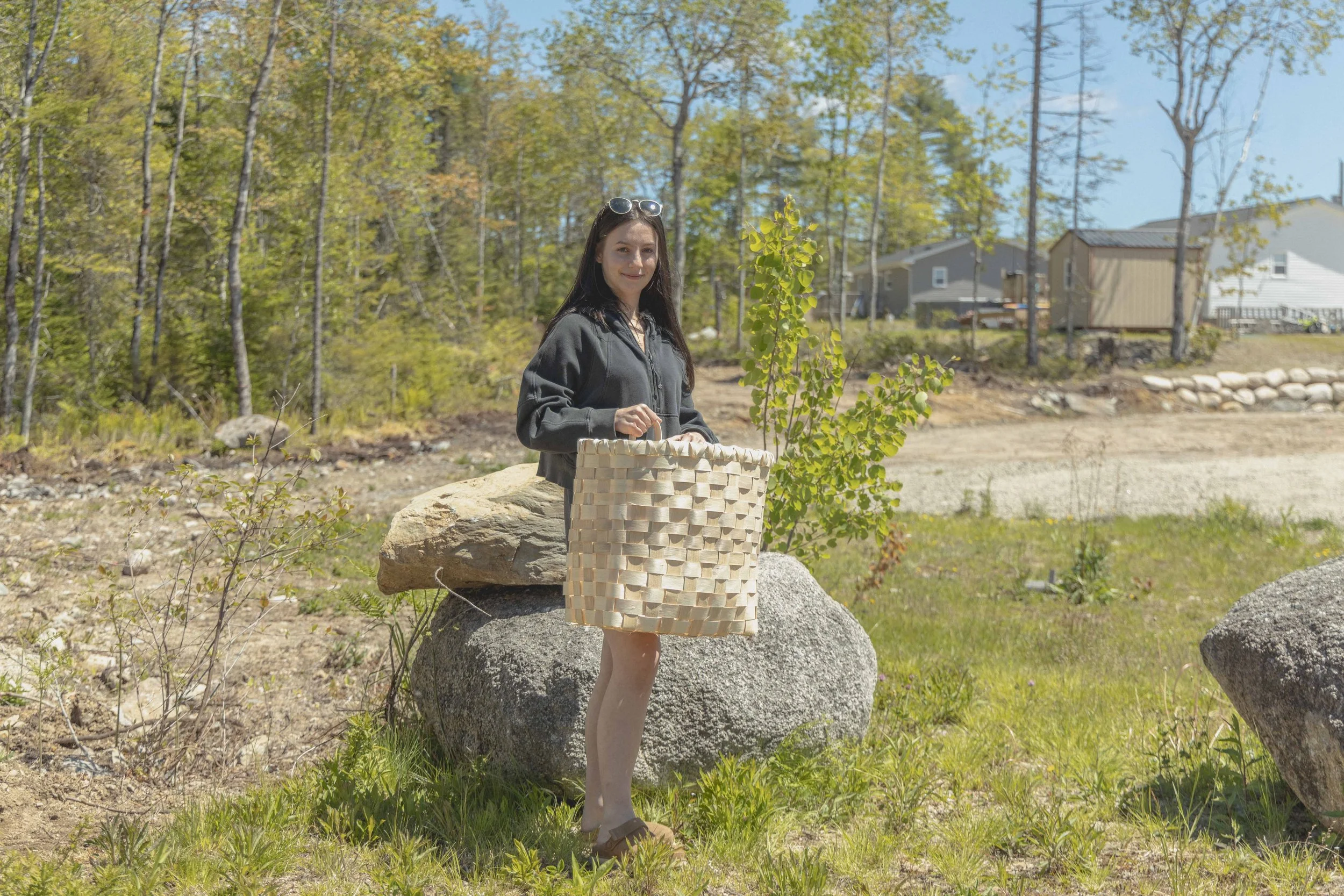
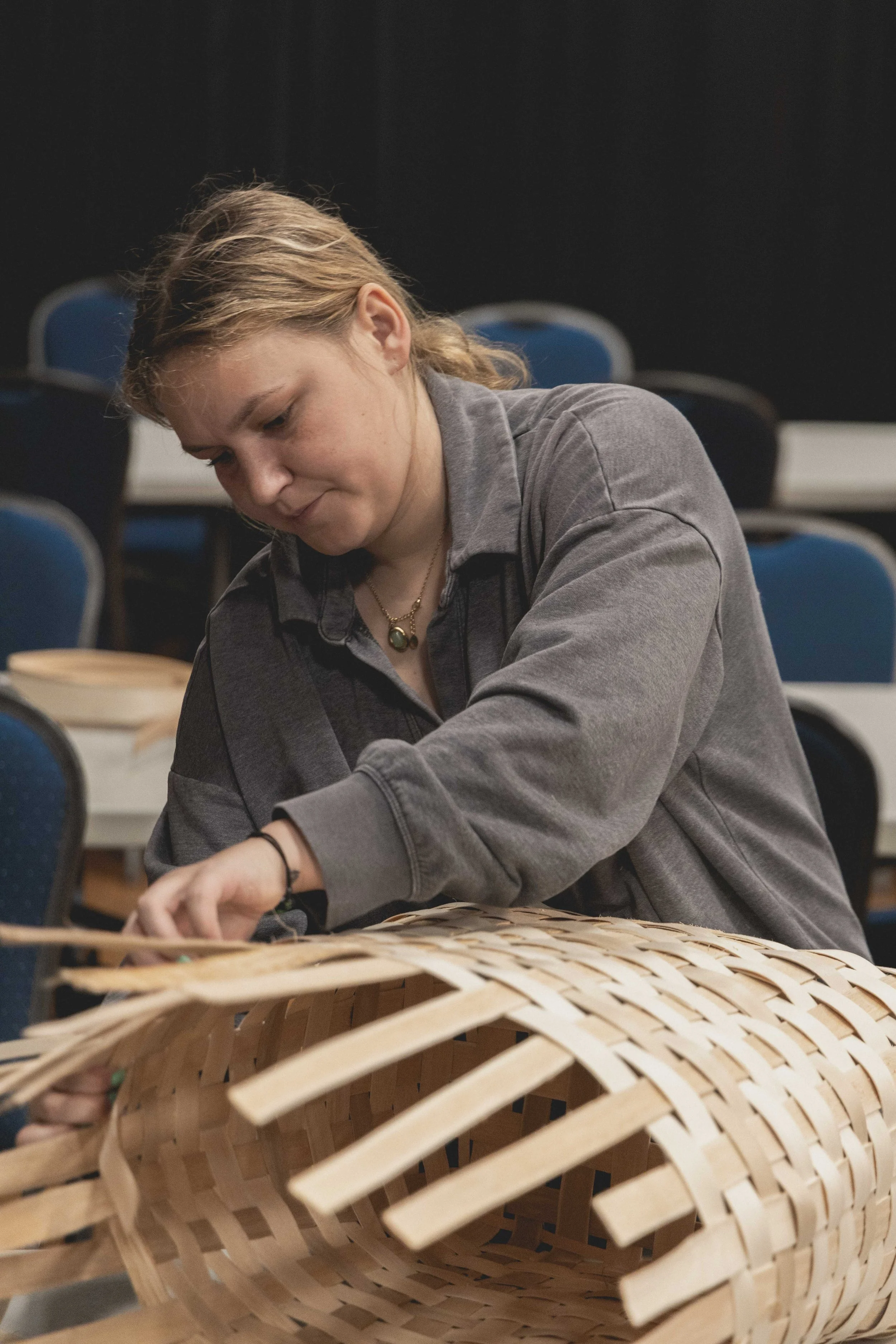
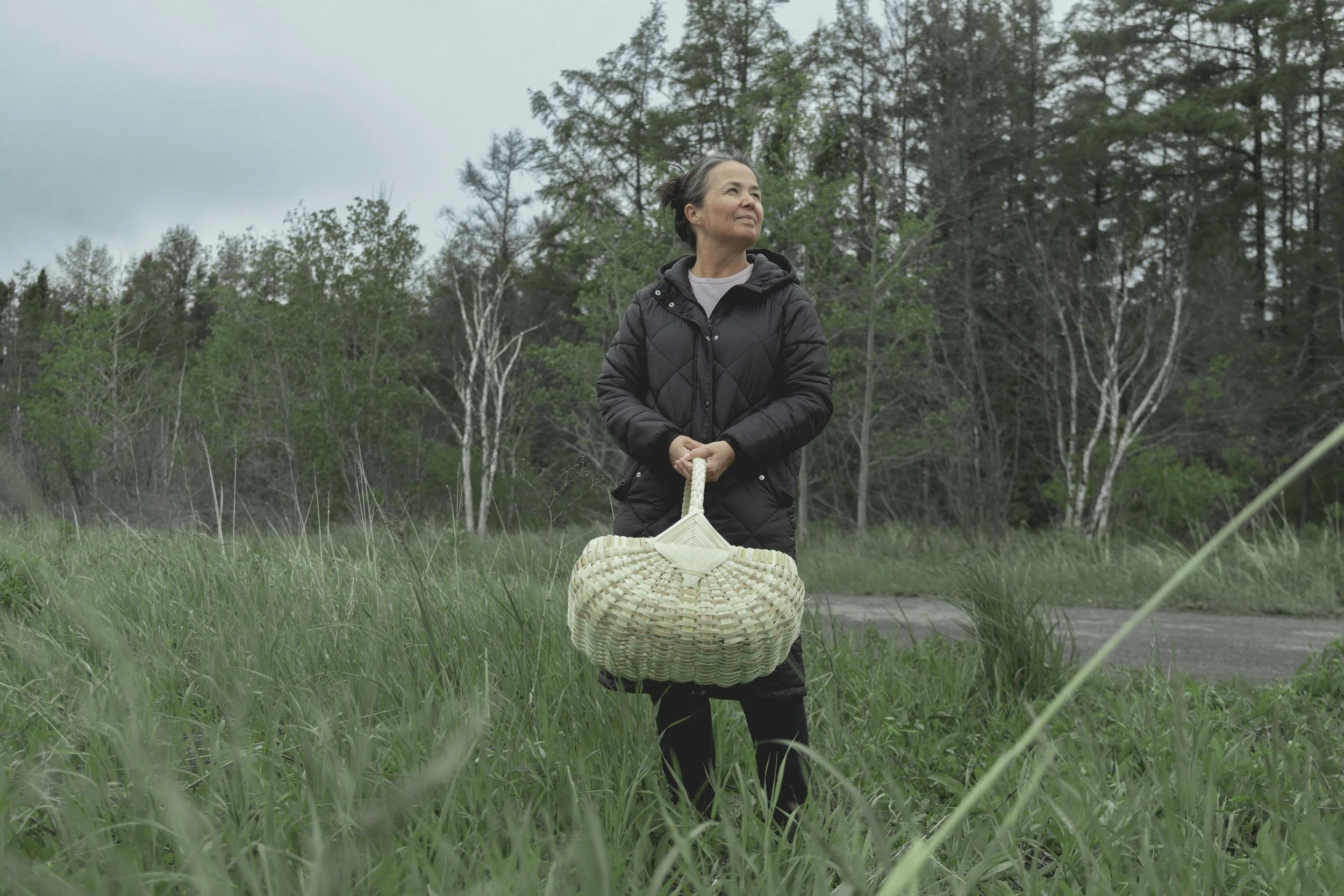
Stephen Jerome, from the Gesgagpegiag reserve in Gaspésie, Que., has been making baskets for 46 years but teaching the craft for 20. About a decade ago, he began hosting the classes alongside his daughter Ashlyn, now 19. The two are among the last people who can source black ash wood, a pivotal step in the basket making process.
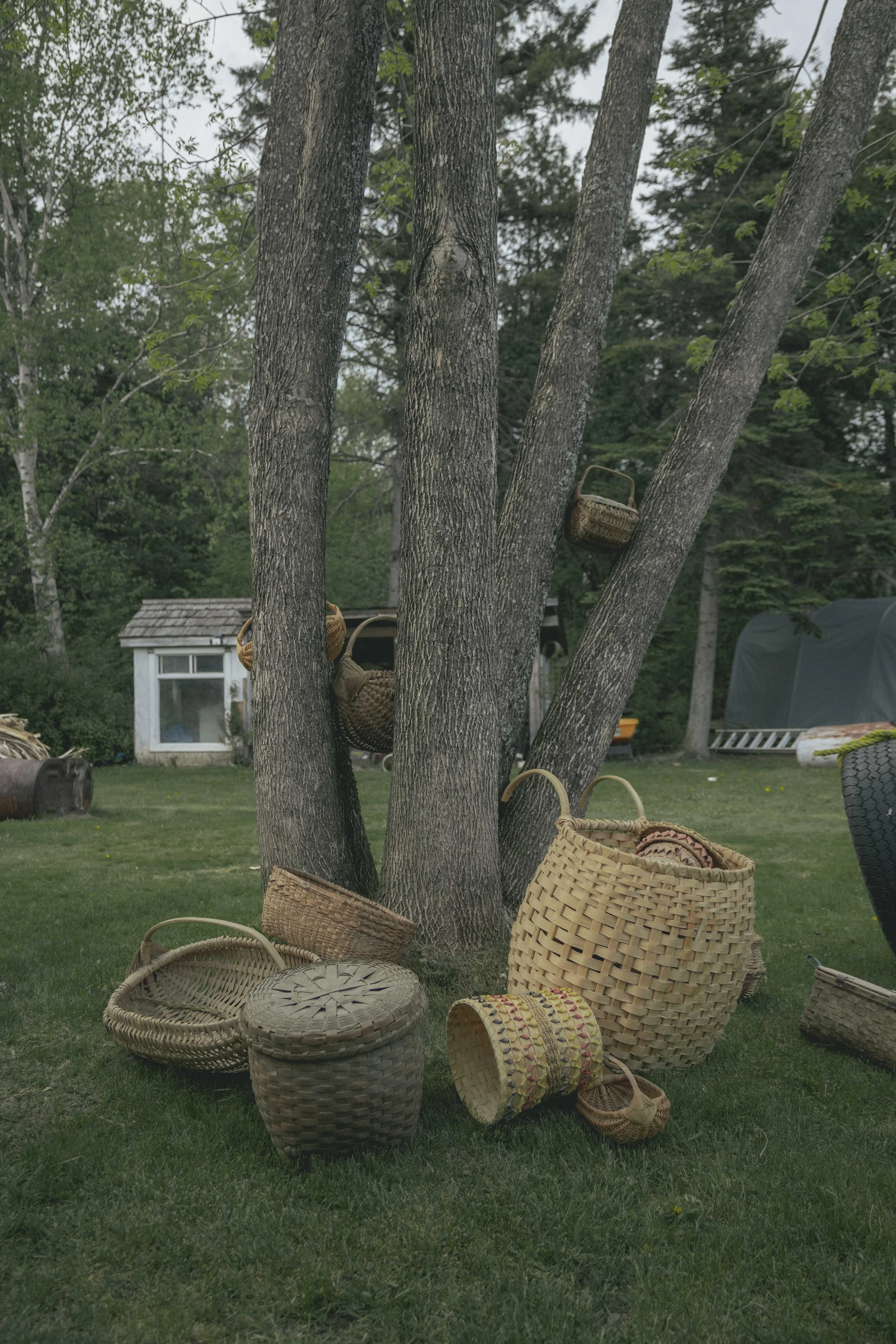
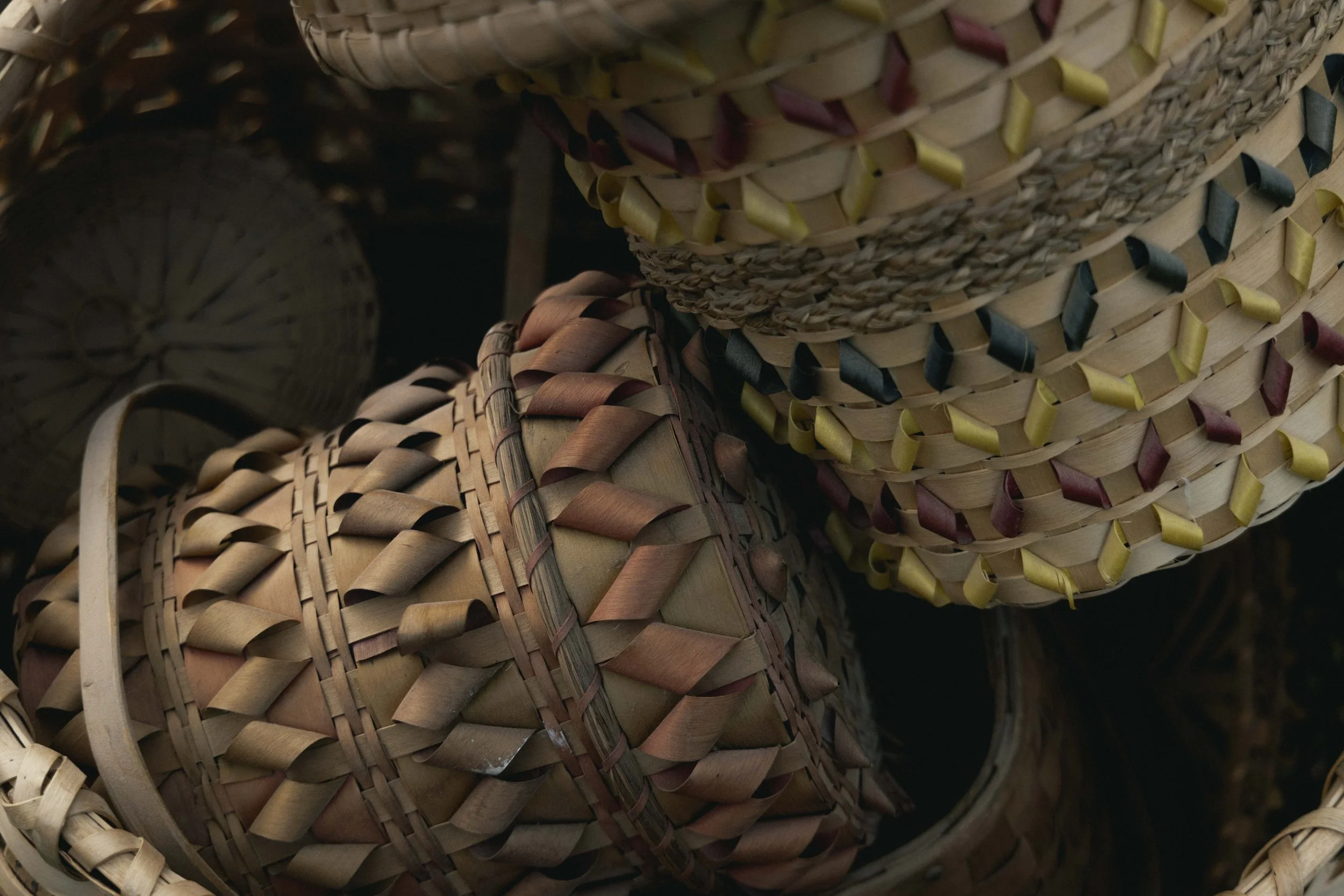
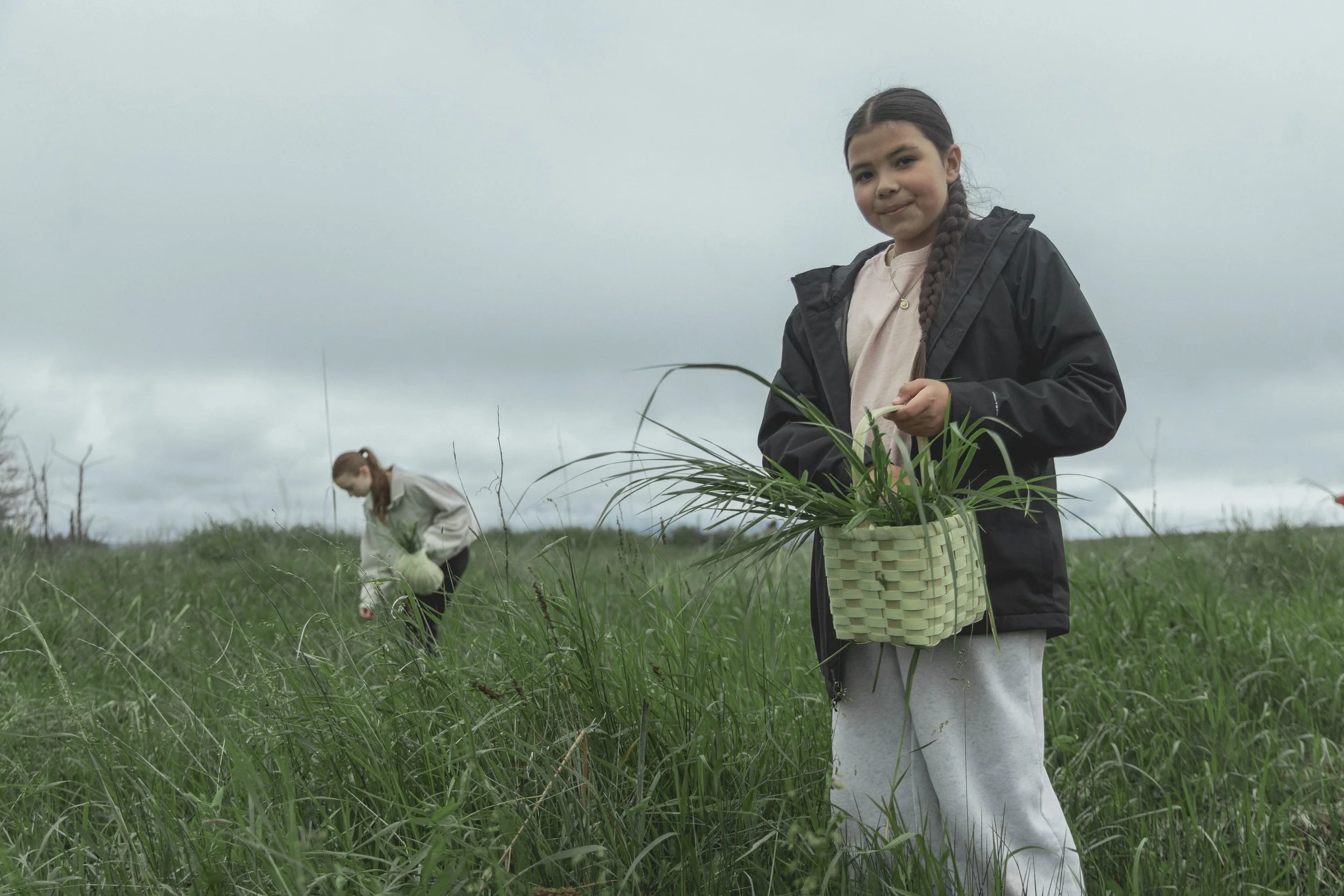
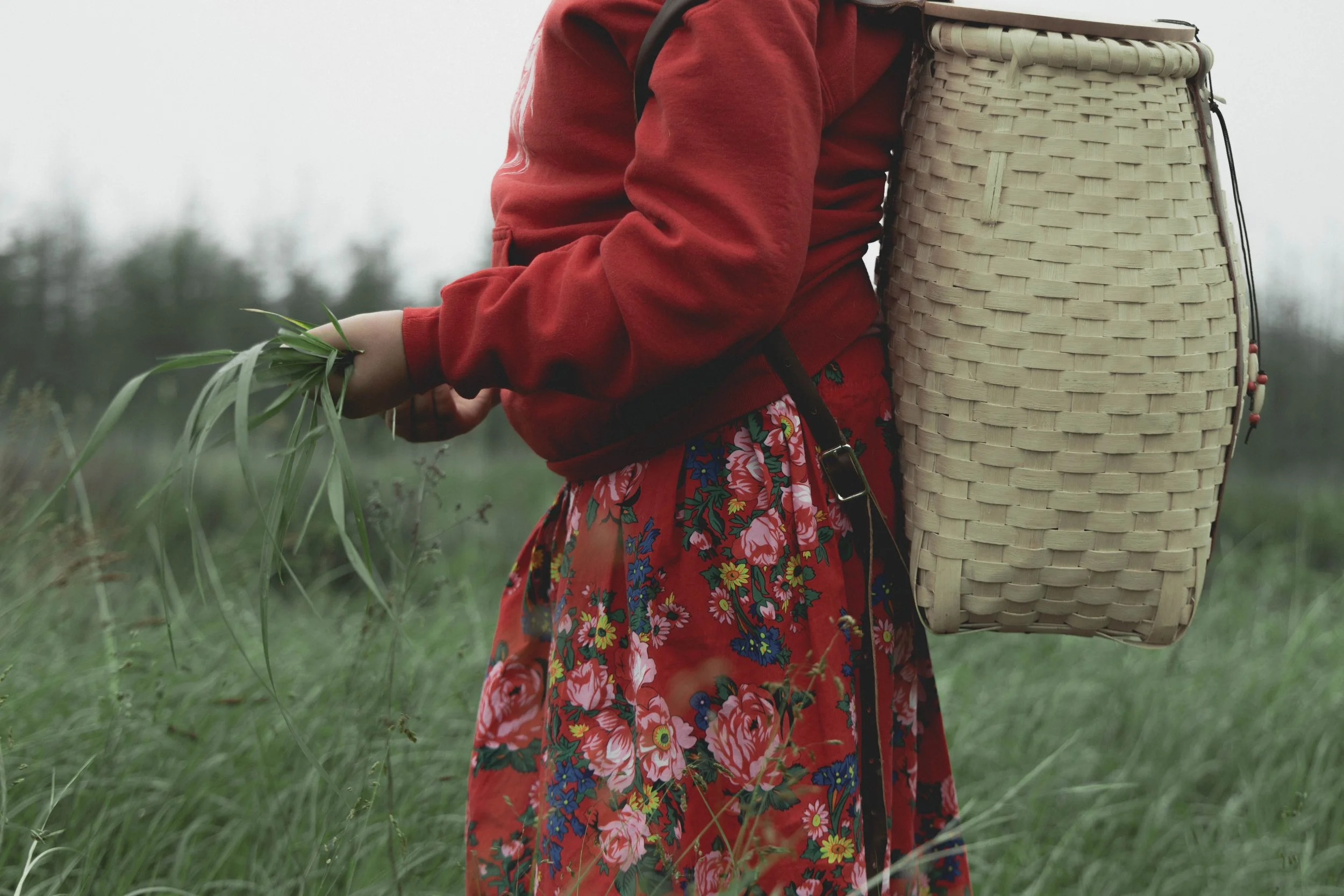
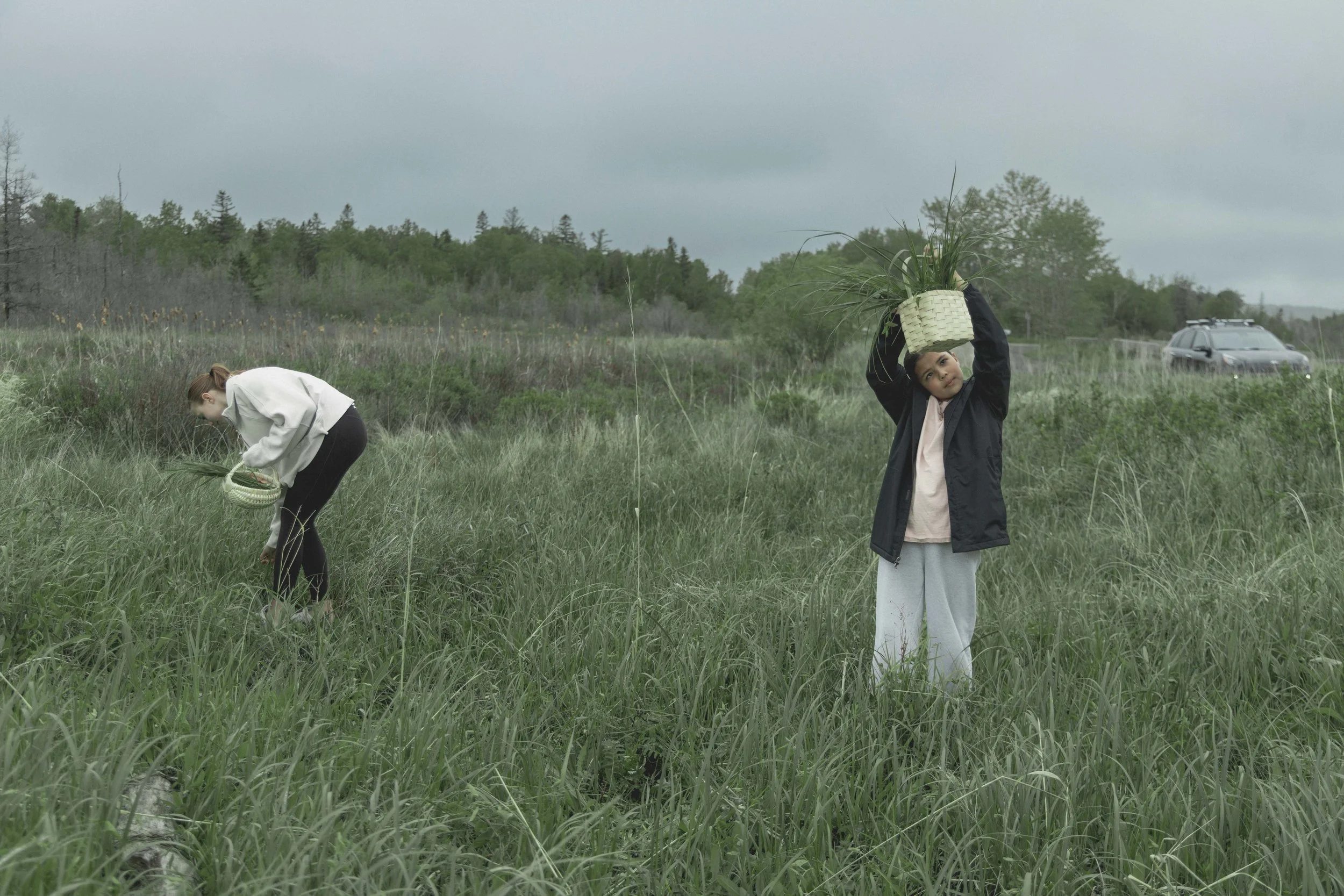
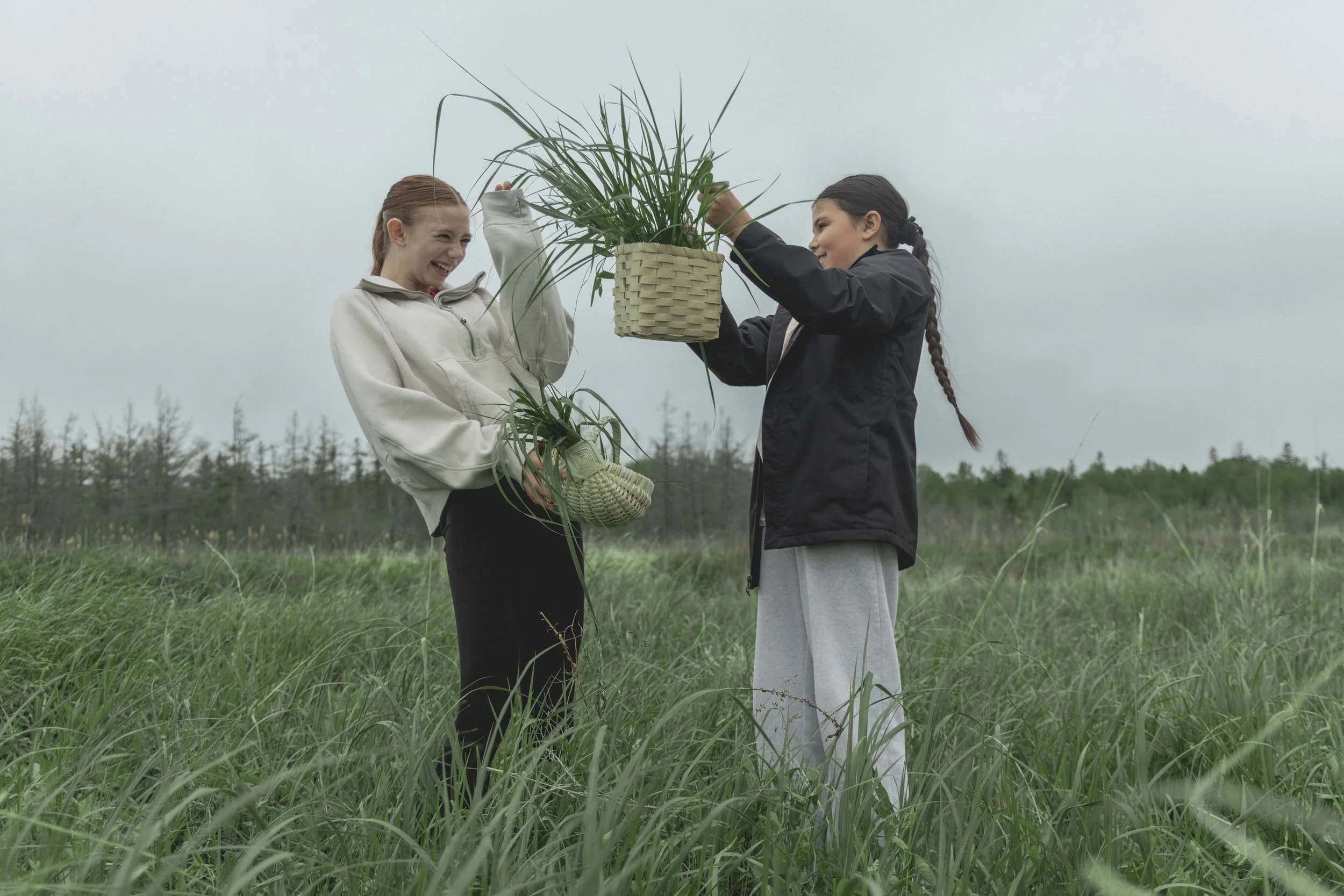
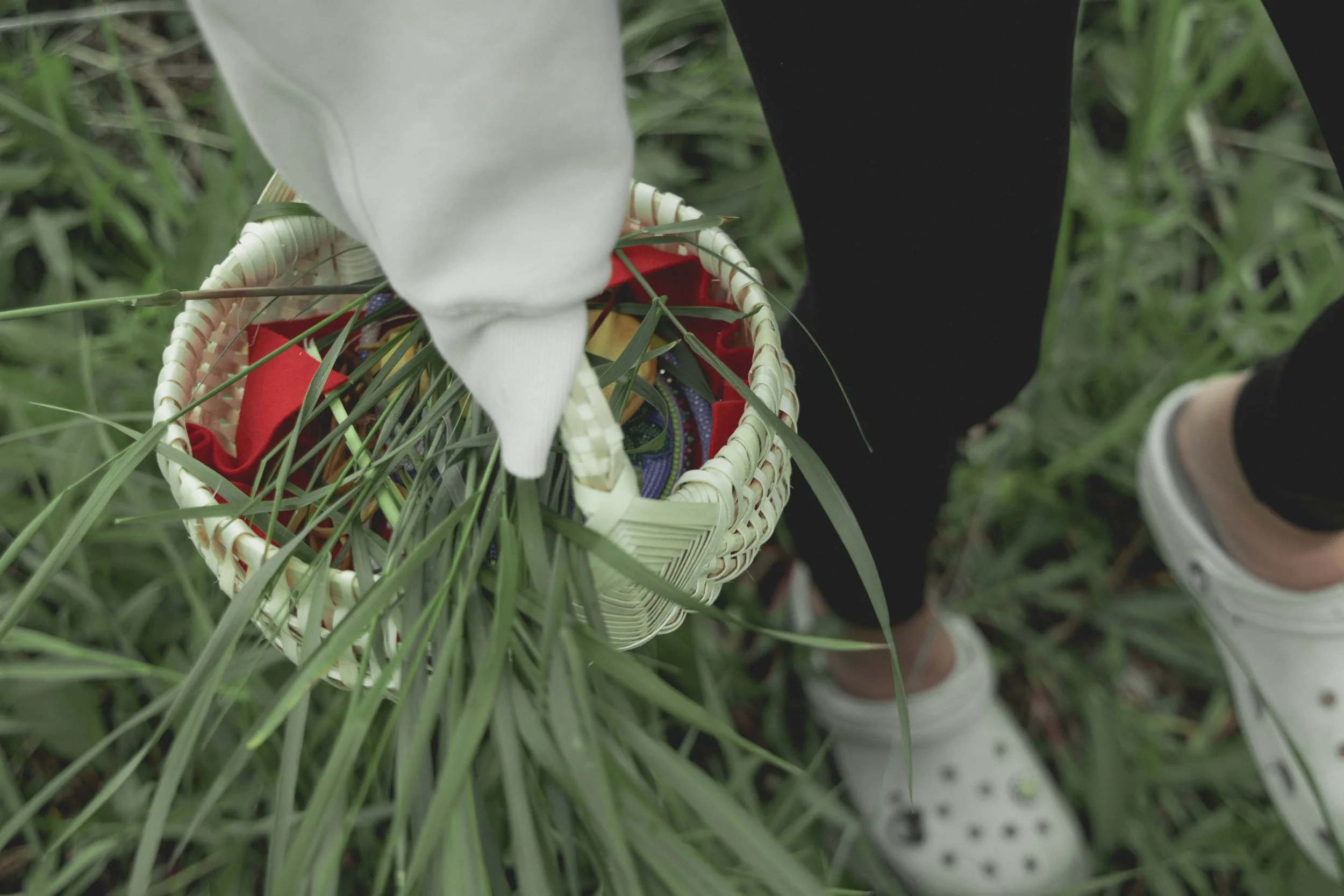
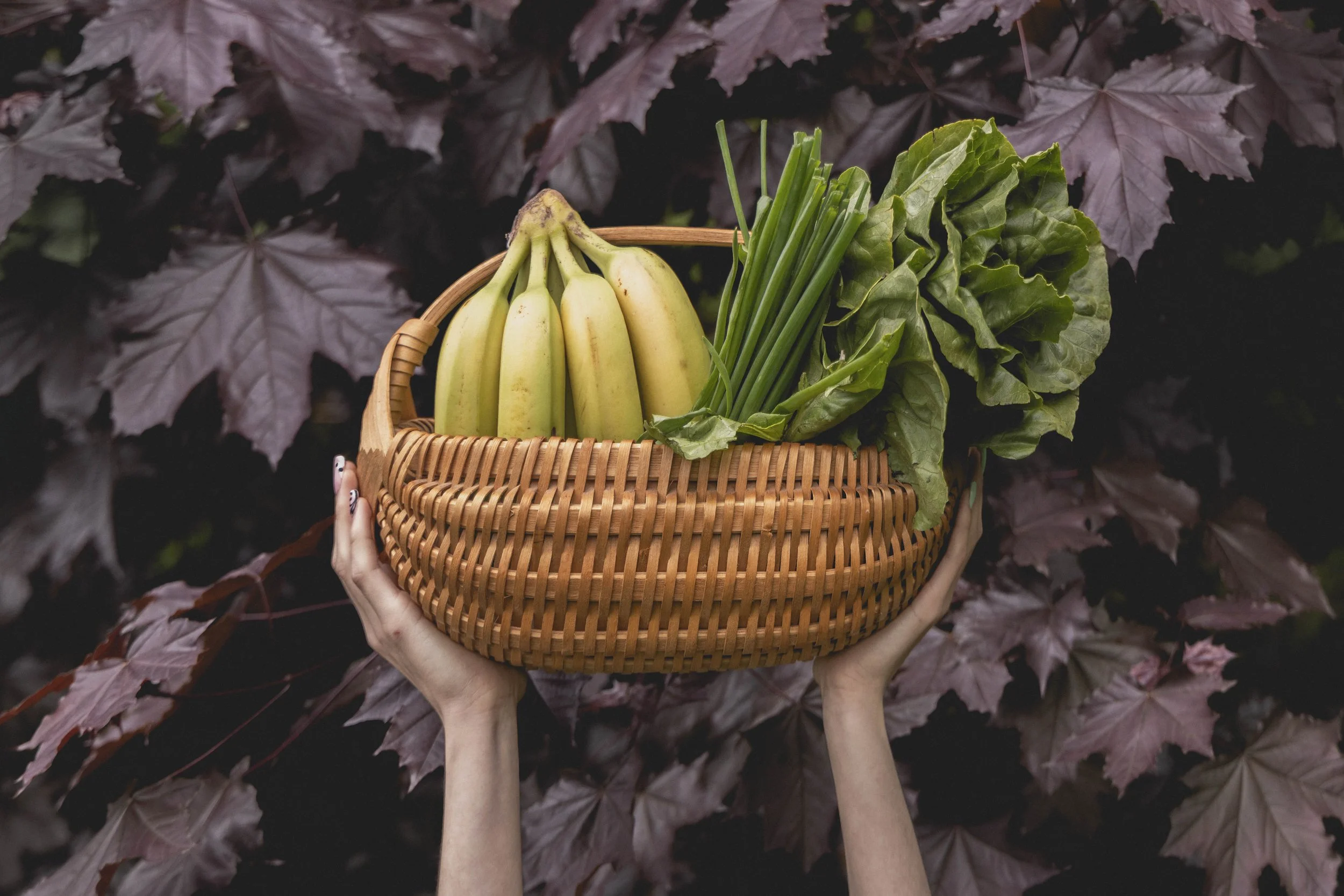
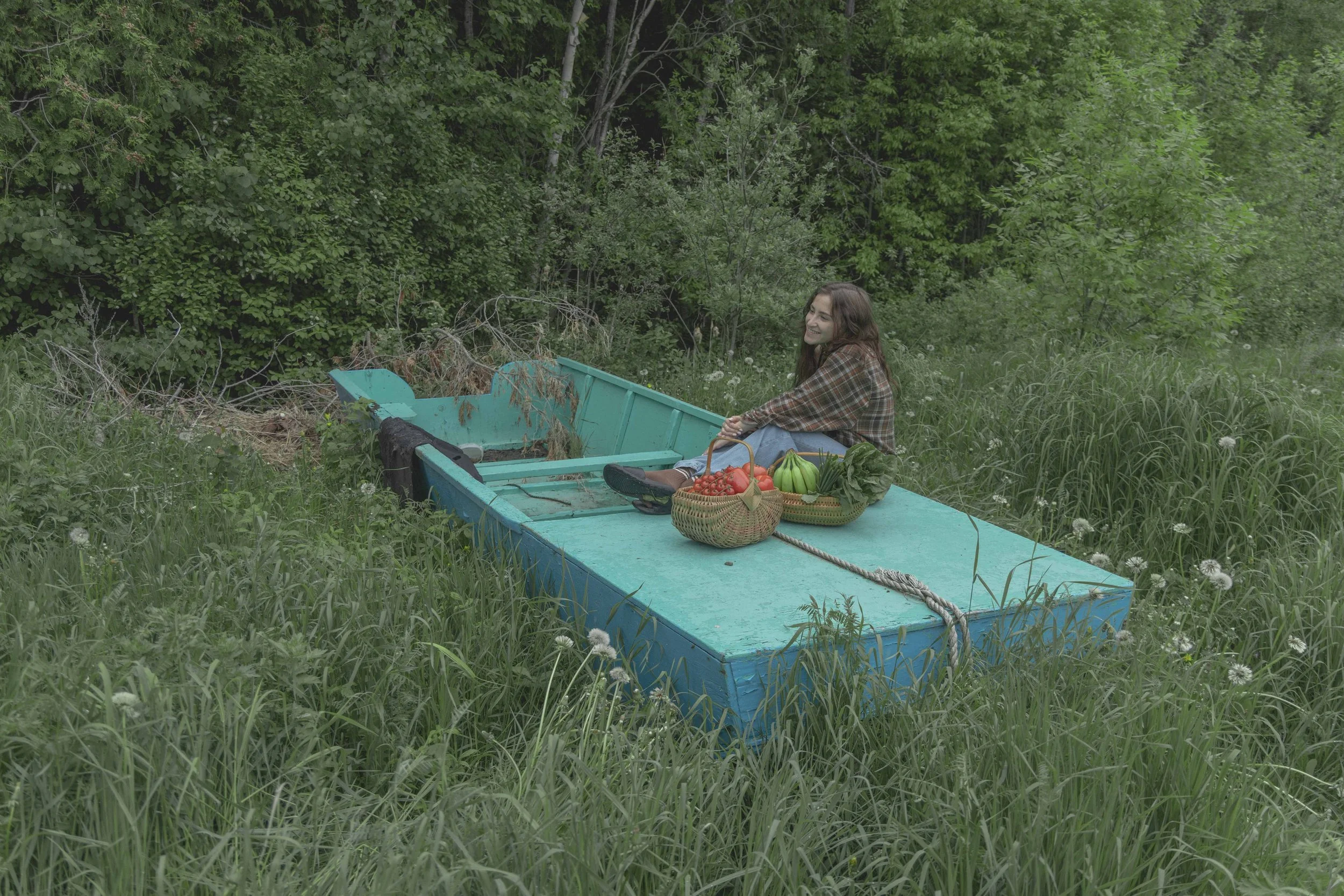
For the Mi’kmaq, to weave a basket from black ash – a significant symbol in the Nation’s creation story – is about re-entering a conversation that began before memory. Historically, Mi’kmaw baskets were used in everyday life, from fishing to collecting harvests.
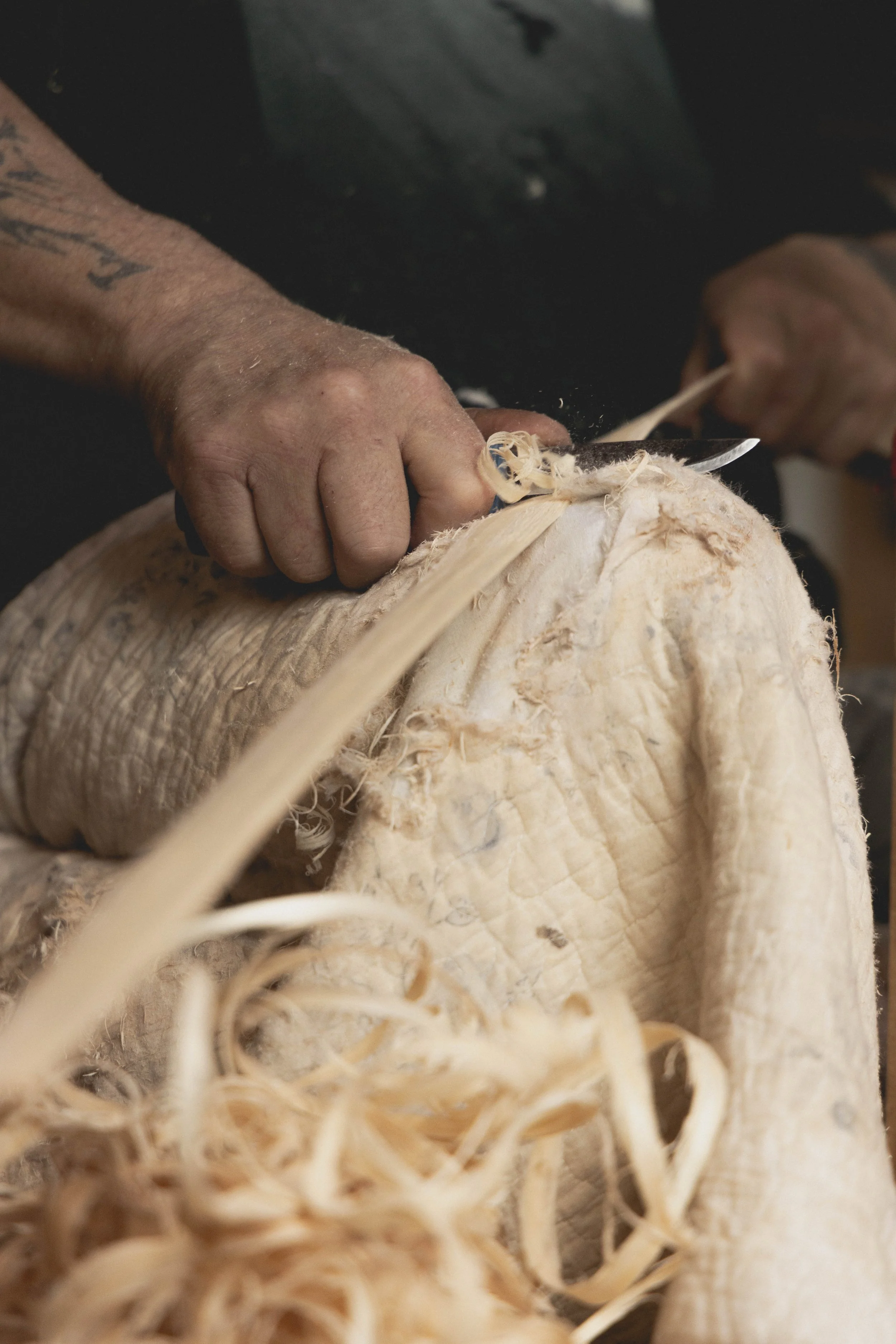
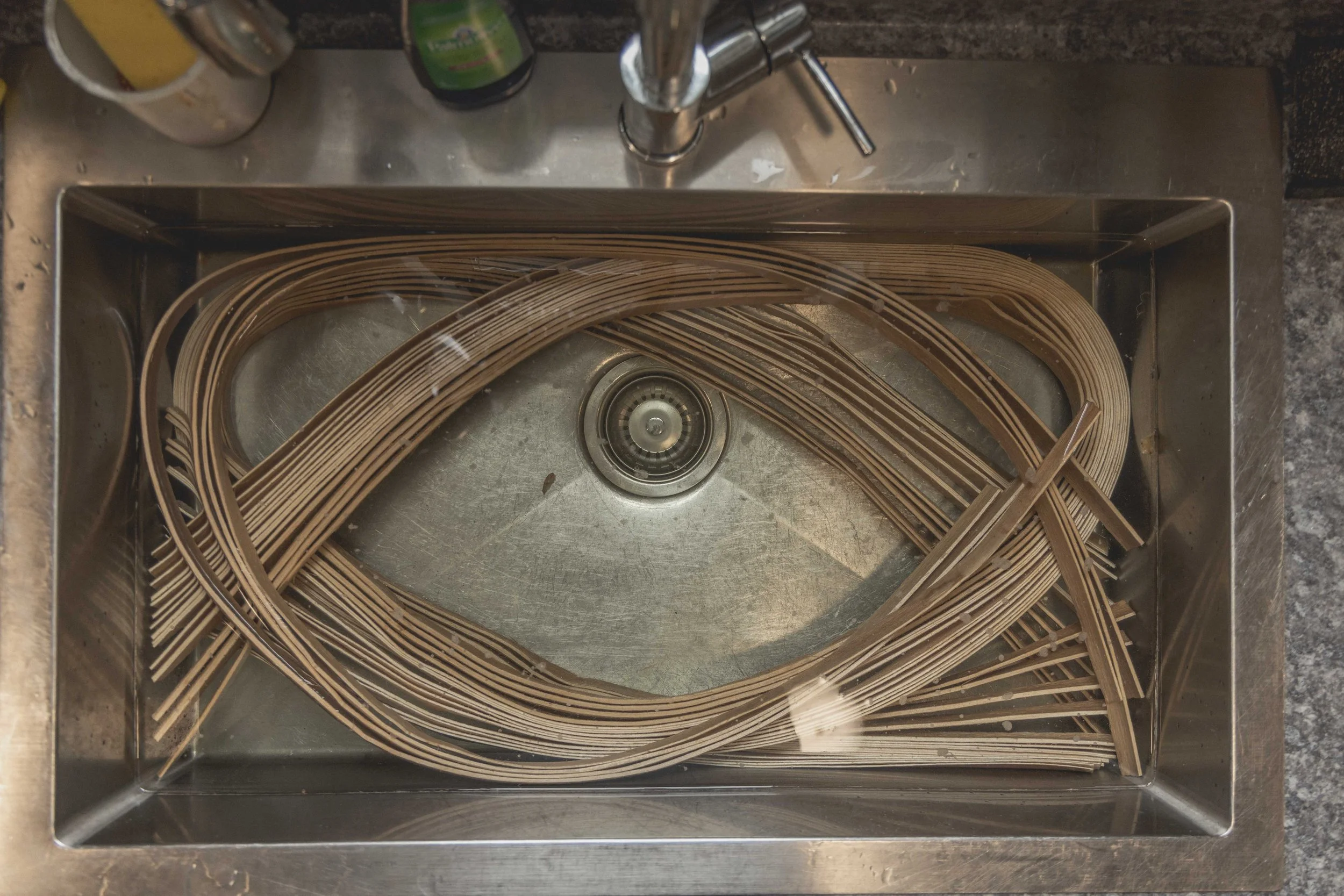
But more than anything, the baskets, which are meant to last a lifetime, connected them to nature. The baskets are a vessel for traditional knowledge: how to read a forest, how to find the right tree, how to pound a log until its growth rings open into ribbons of splint.
After decades of cultural lossfrom colonialism and residential schools, that knowledge drastically decreased in a single generation.
Stephen, however, learned the craft from his father, who learned from his own father and mother. Now, he teaches classes across Quebec, New Brunswick, Nova Scotia and as far south as Connecticut.
“I’m trying to wake up our people so that someone else will take the torch before I die. My father, Francis Jerome, knew this was coming and I promised him that I would carry on this culture,” says Stephen. “I have many people in other communities making baskets again, not just my nation but all nations that once worked with black ash."
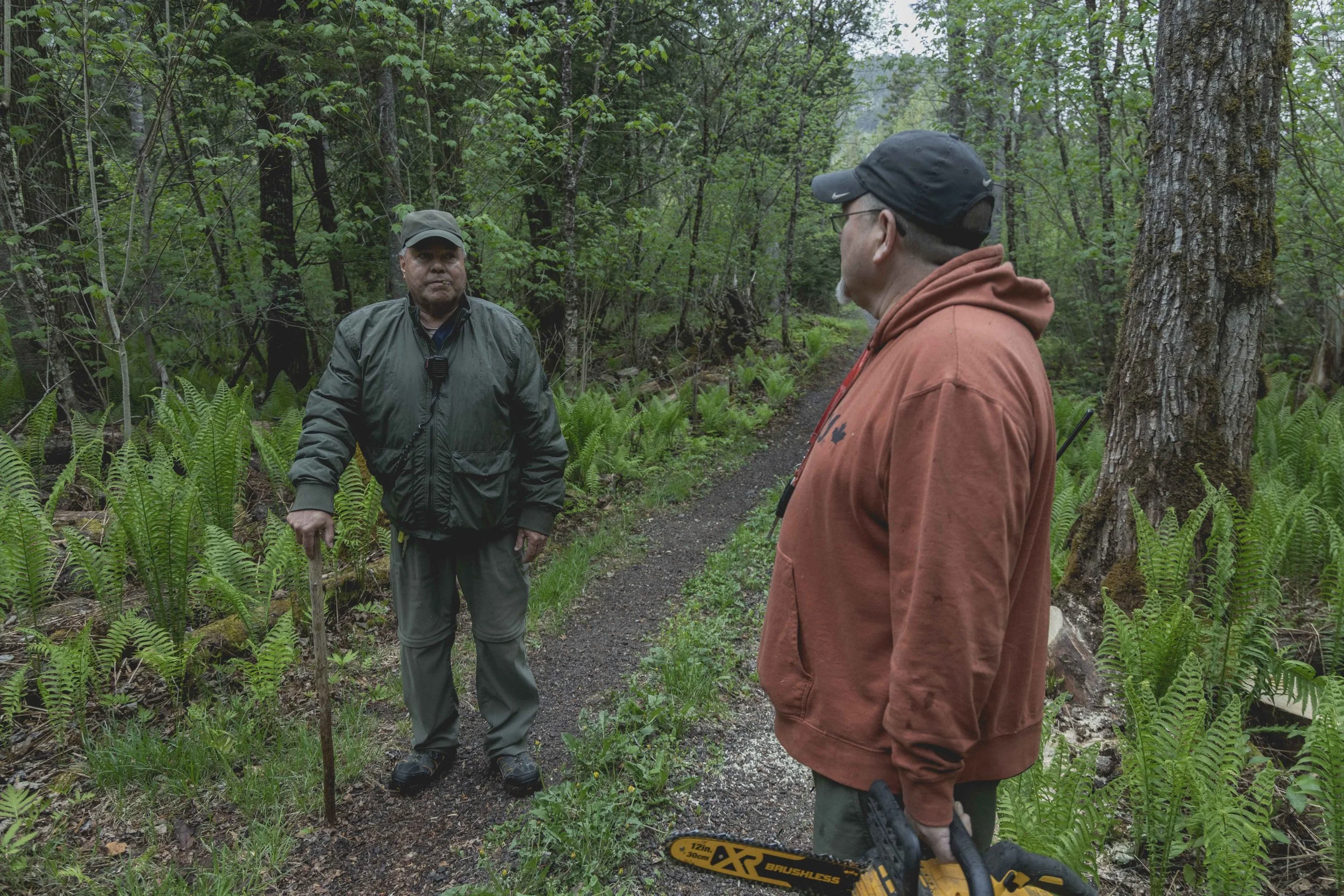
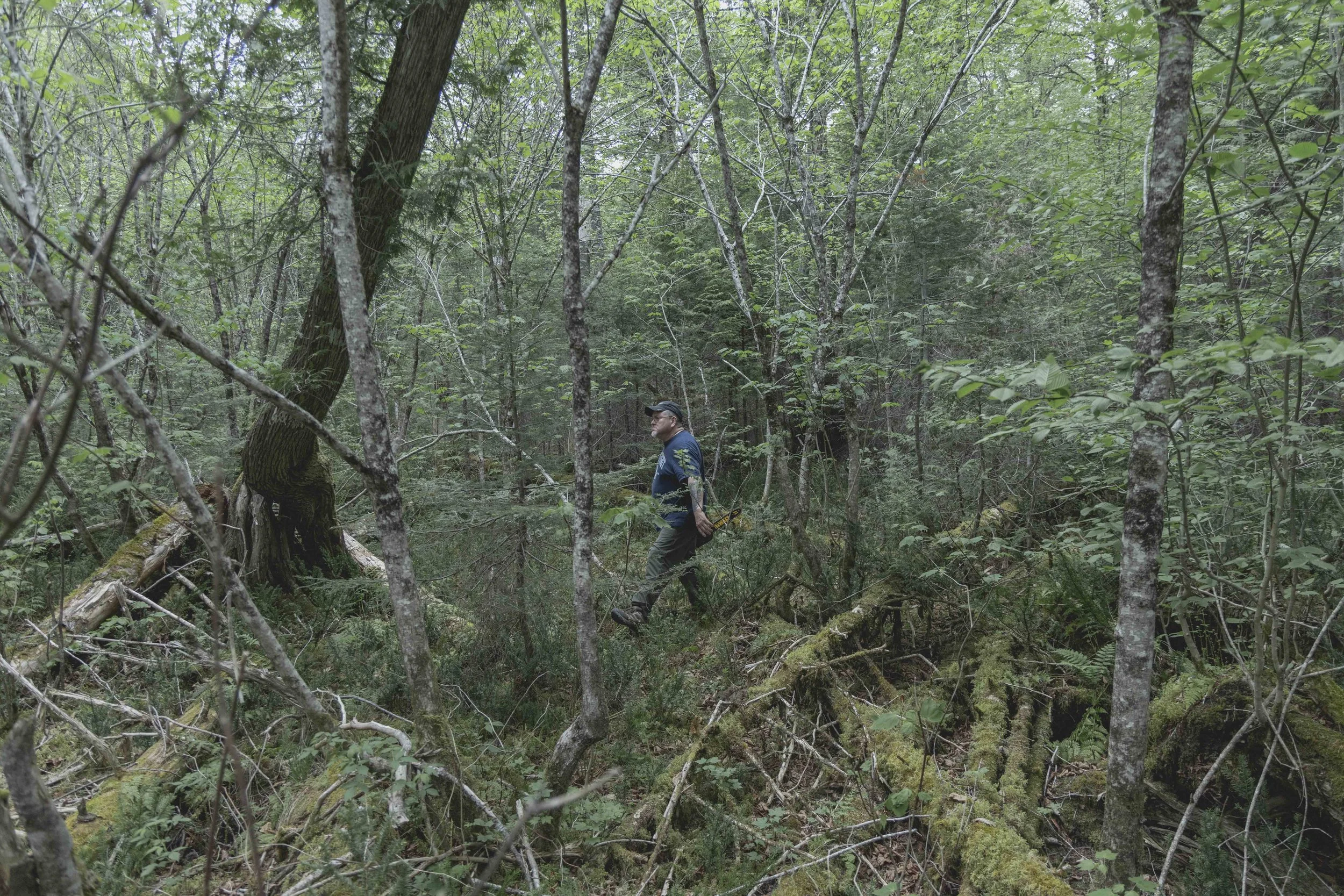
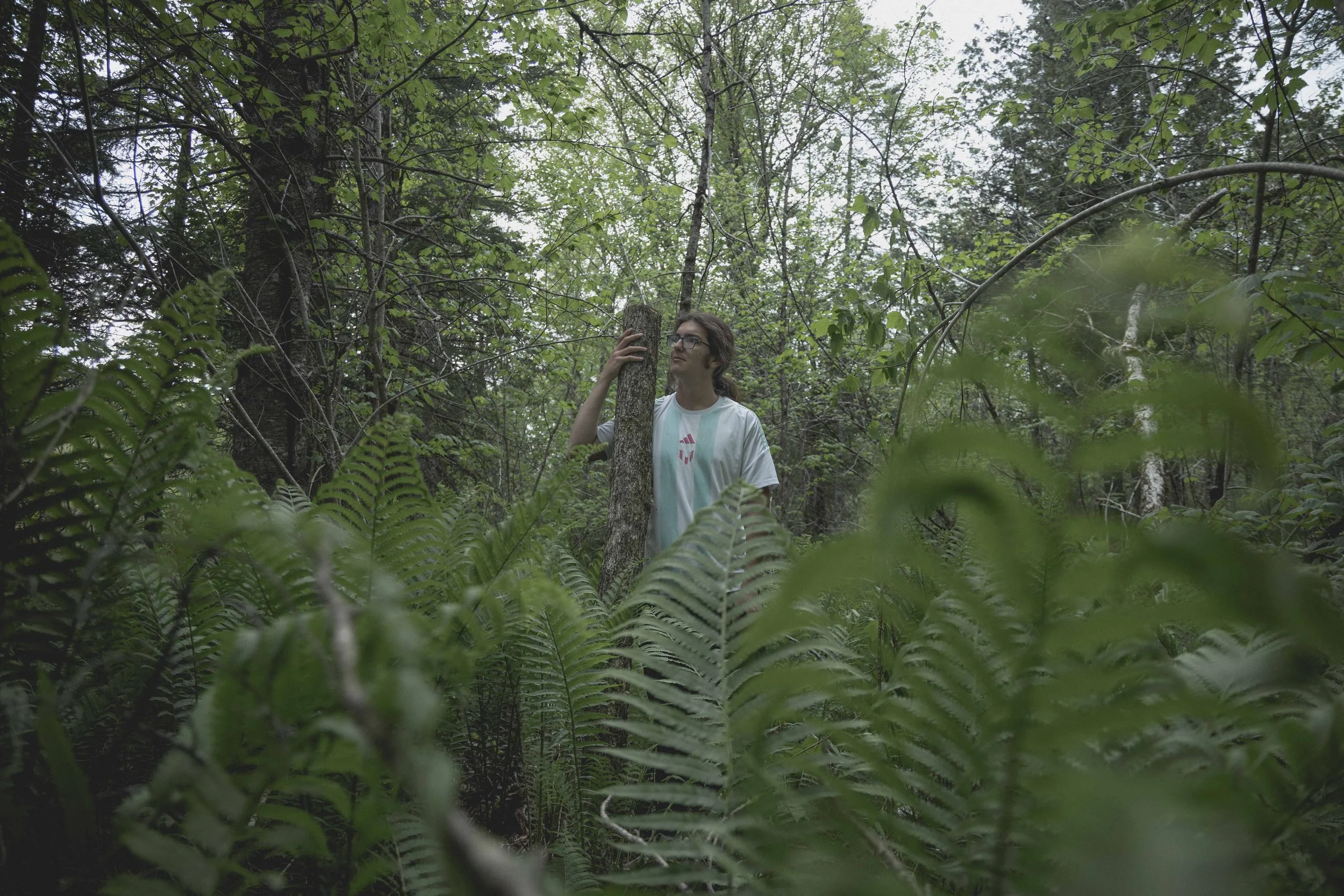
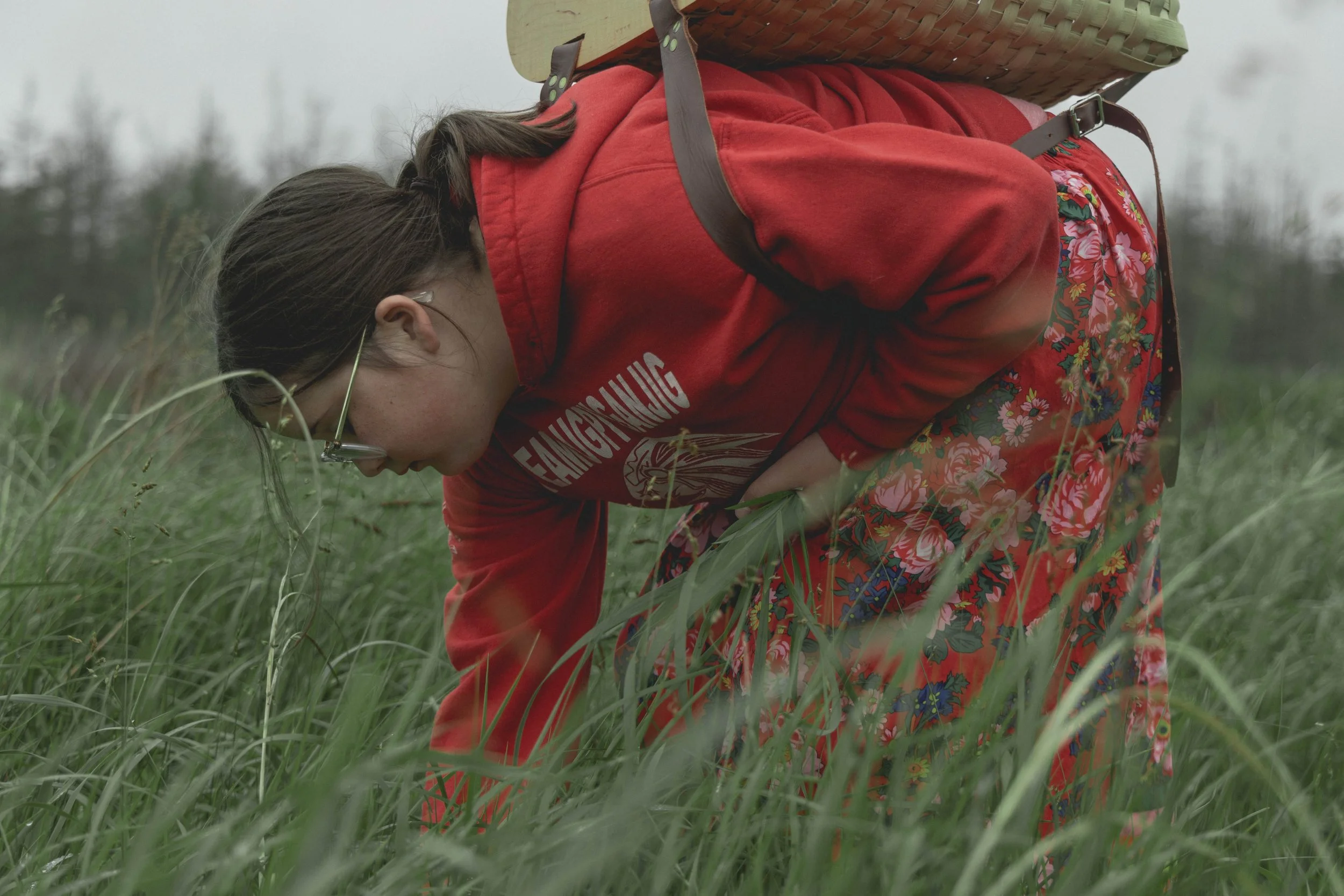
Stephen and Ashlyn share how they find black ash wood in the sandy soil beneath deciduous canopies far from cedars, and how to listen to the wood once you find it – dead or dying ash will sound hollow when you hit it. Without that knowledge, even a willing weaver cannot begin.
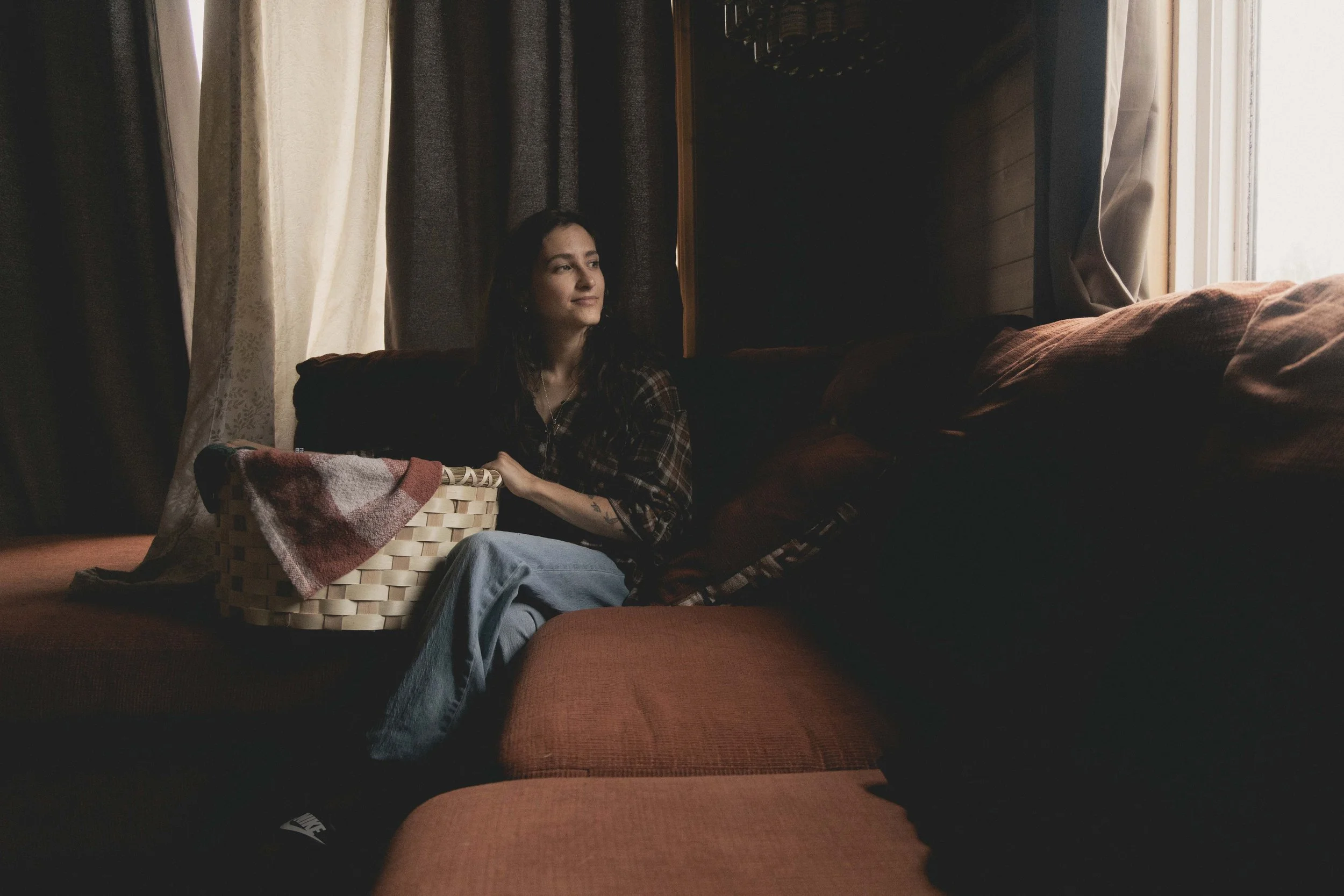
Weaving has become an integral part of Ashlyn’s life. "When I handle black ash," she says, "it makes me feel more like myself."
Talk to any of their students and the story widens.
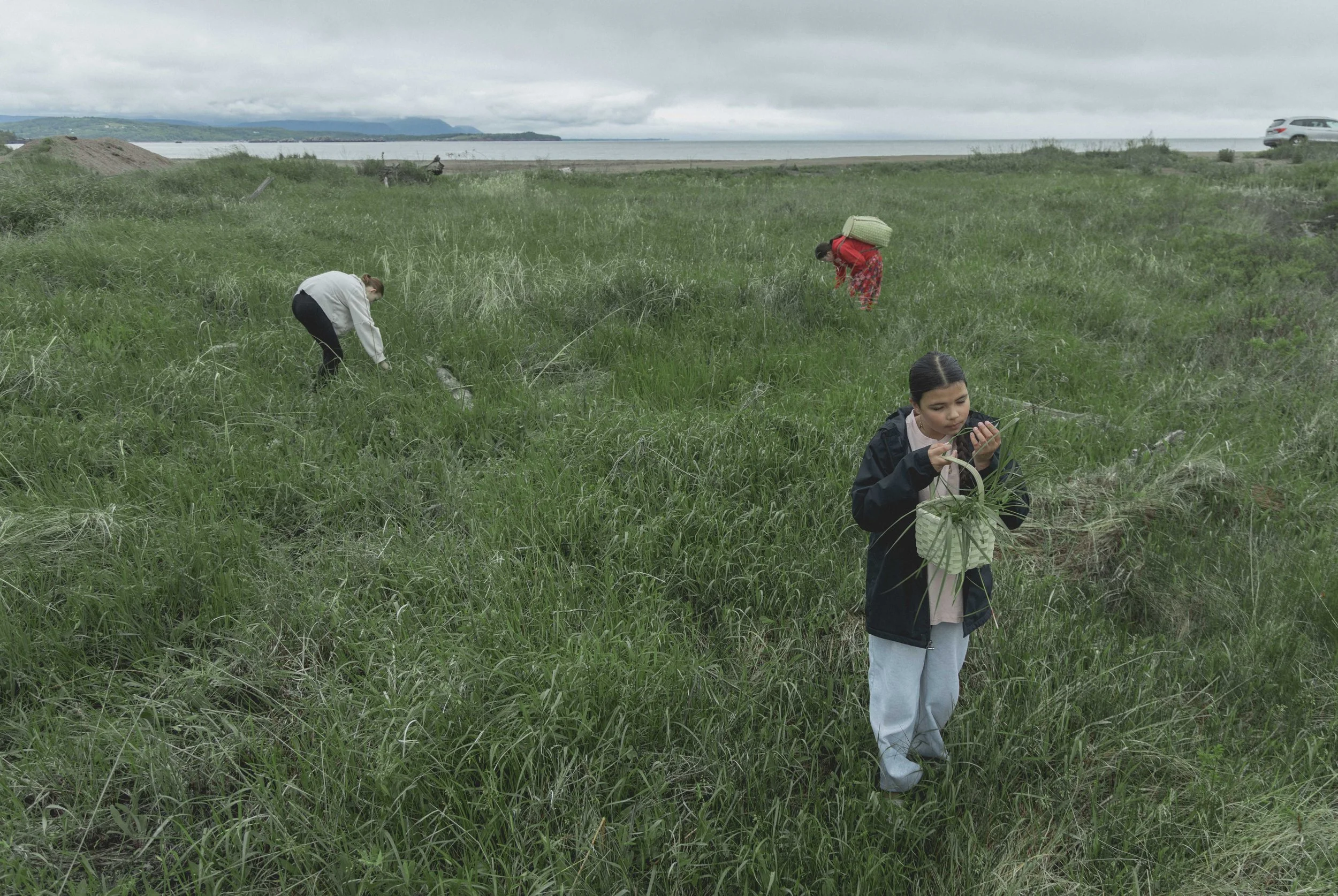
InQuebec’s Gesgapegiag First Nation, Devan Gedeon, 18, is learning how to source black ash from Stephen. He spends his days in the forests surrounding the reserve with the Land Guardians, Indigenous land care-takers, learning how to ensure the tree can thrive.
Ashley Rebecca Julian, a mother of three from Shubenacadie, N.S., came to the workshops not yet knowing how to weave but was determined that hopefully her children would some day. "If they want to, I want to pass this on," she says.
In Gold River, N.S., sisters Jada and Reign Kaizer, 18 and 21, used to collect baskets at powwows – which is one way to get a basket if you can’t make one – but are now learning to make them.
"It's definitely on the rise," Ashlyn says of the interest in learning weaving. "I hear a lot of people my age saying that they want to connect to their roots more and more."
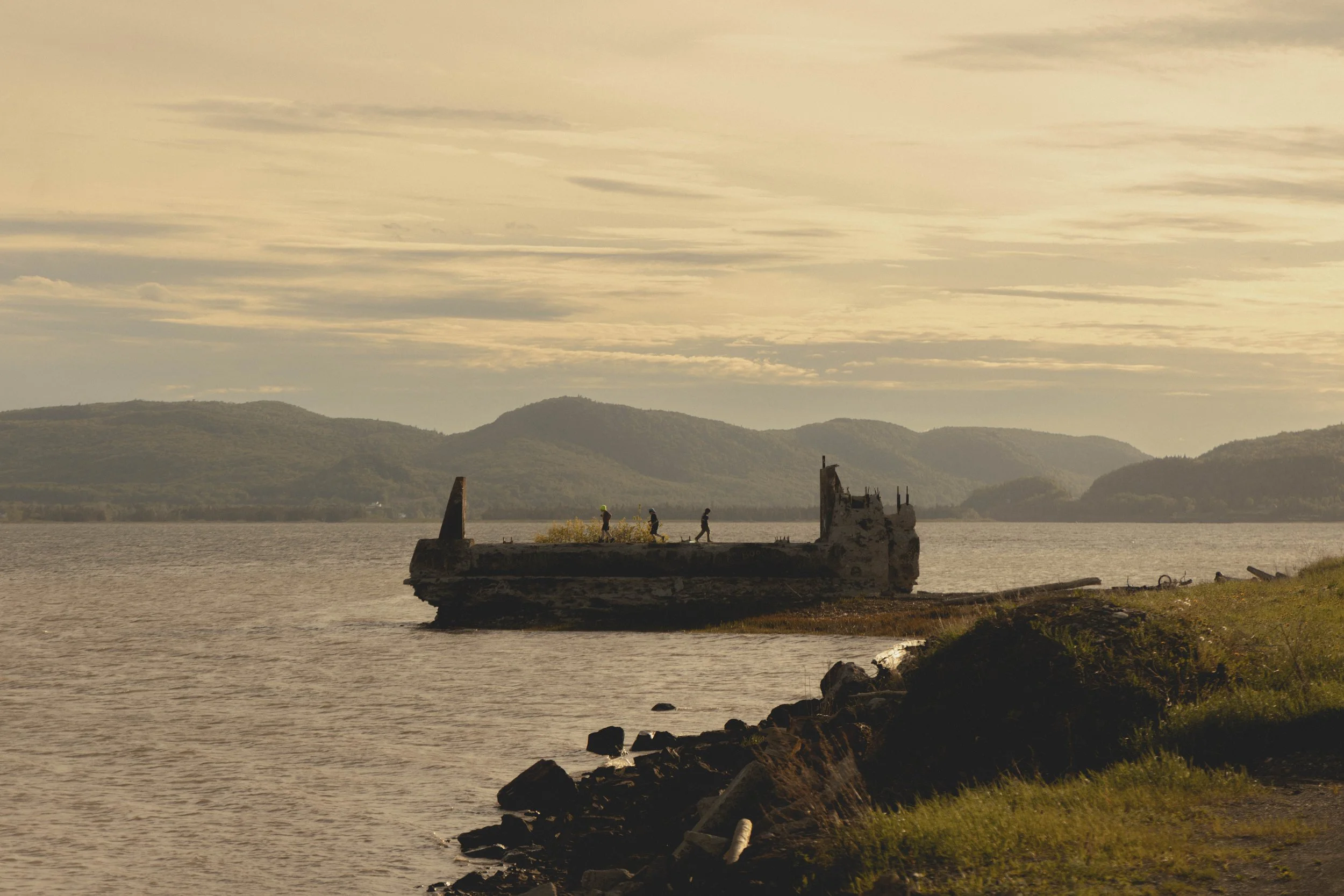
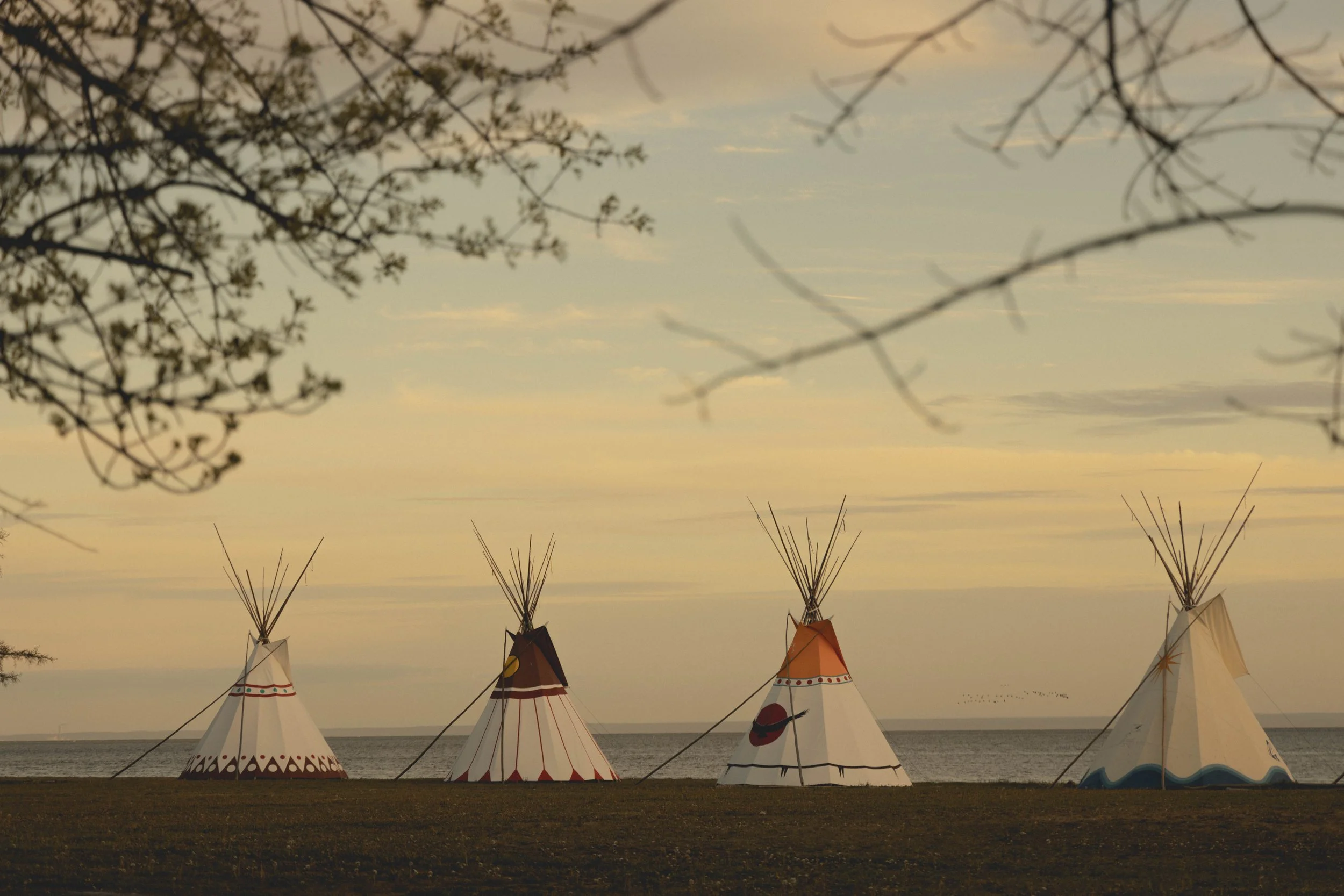
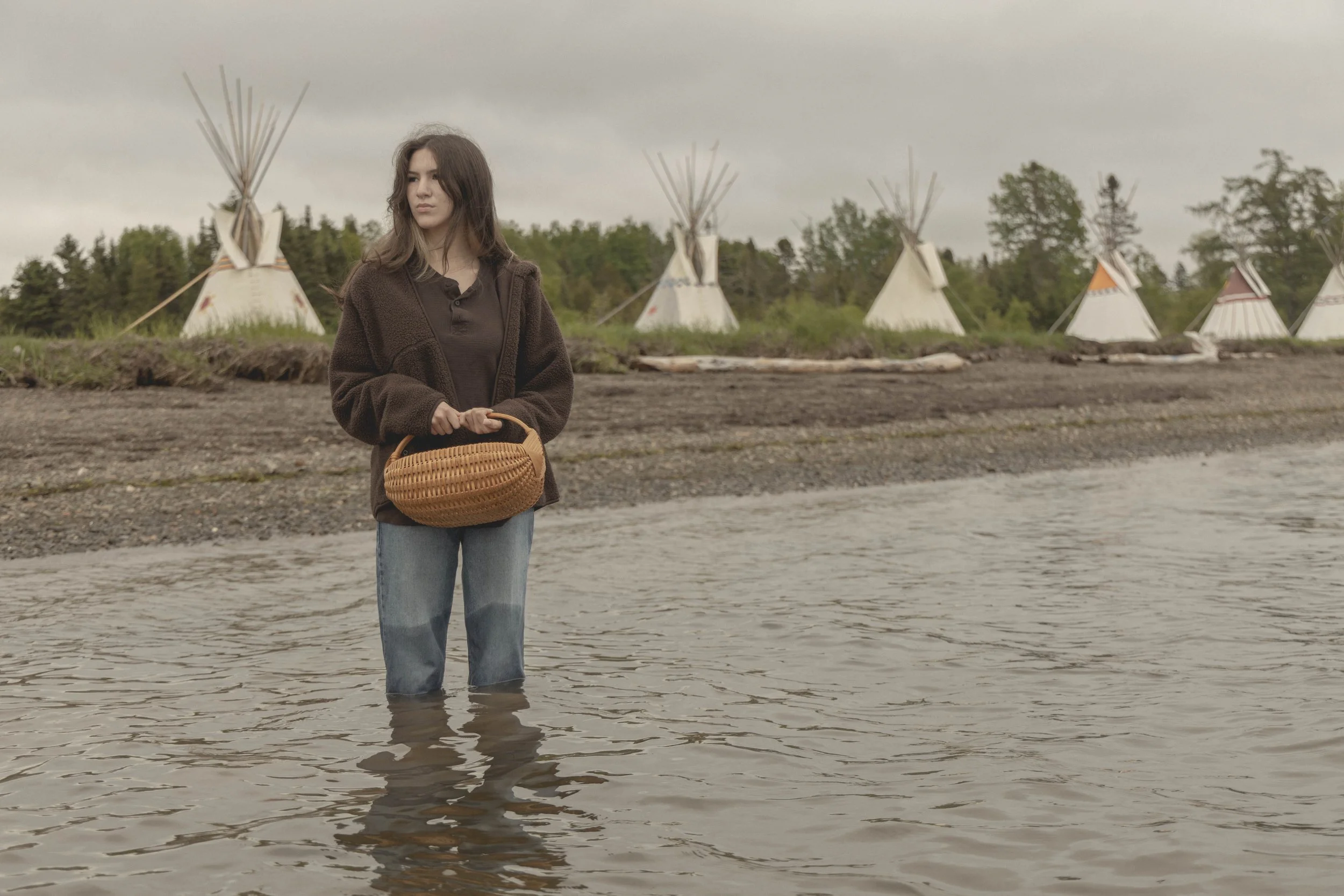
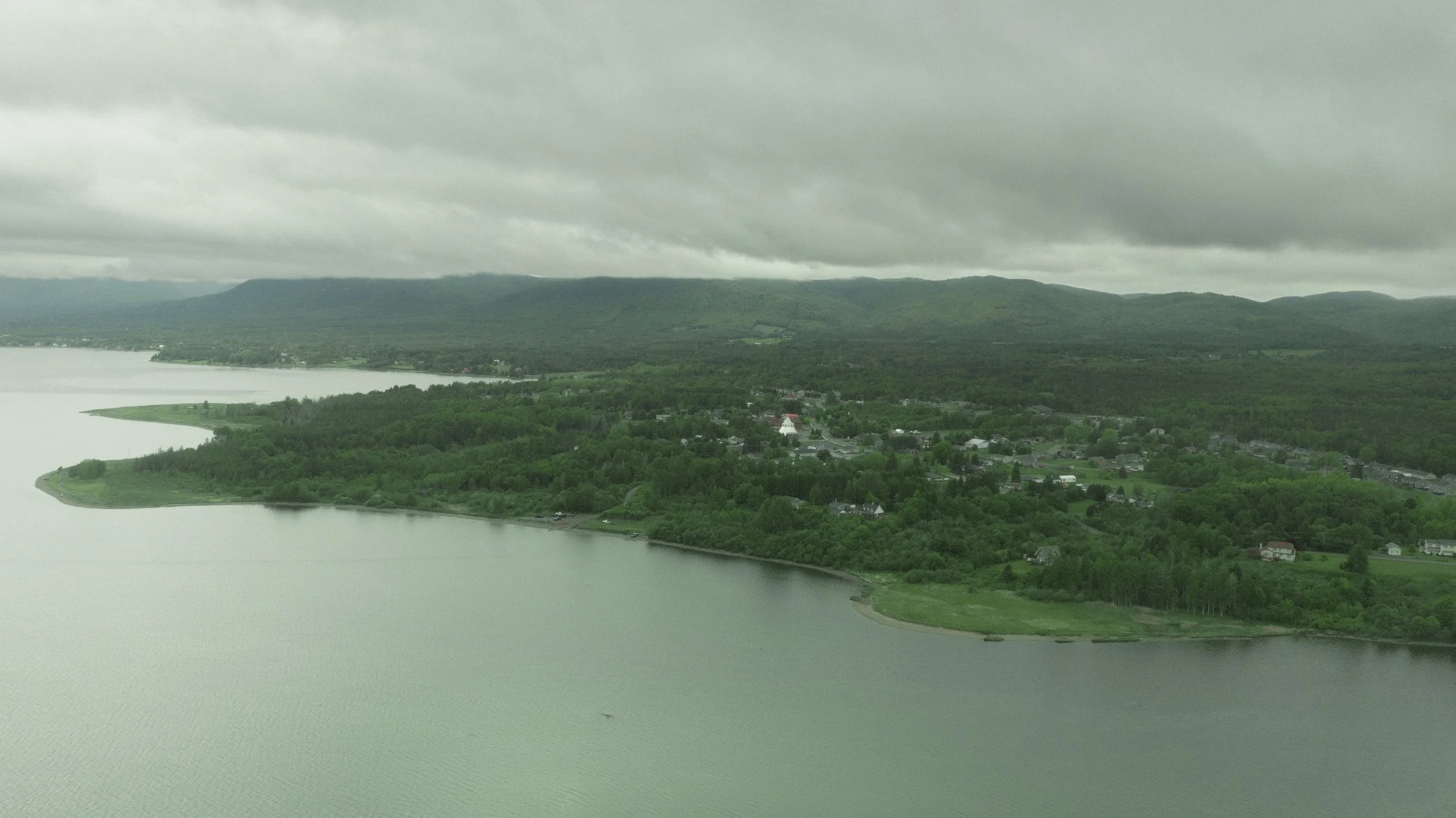
In rooms across Mi'kma'ki — the ancestral territory stretching from the Gaspésie to the tip of Nova Scotia — the conversation between a people and their tree is finding its voice anew.